
Looking for a pearl beads for jewelry making supplier in China? The answer is simple: head to the wholesale markets in Zhuji or Guangzhou, where you can touch and compare thousands of options. This guide gives you a stall-level perspective on how to pick the right pearls, negotiate like a pro, and ensure quality without getting burned.
Why China Dominates Pearl Bead Supply
China produces over 95% of the world’s freshwater pearls, mainly from Zhejiang province. The wholesale markets in Zhuji (the “Pearl Capital”) and Guangzhou offer the widest variety and best prices. You’ll find everything from tiny 2mm rice pearls to 12mm+ large rounds, in white, cream, pink, lavender, and dyed colors. The key advantage? You can inspect the luster, surface quality, and drill holes in person before paying.
Top Wholesale Markets for Pearl Beads
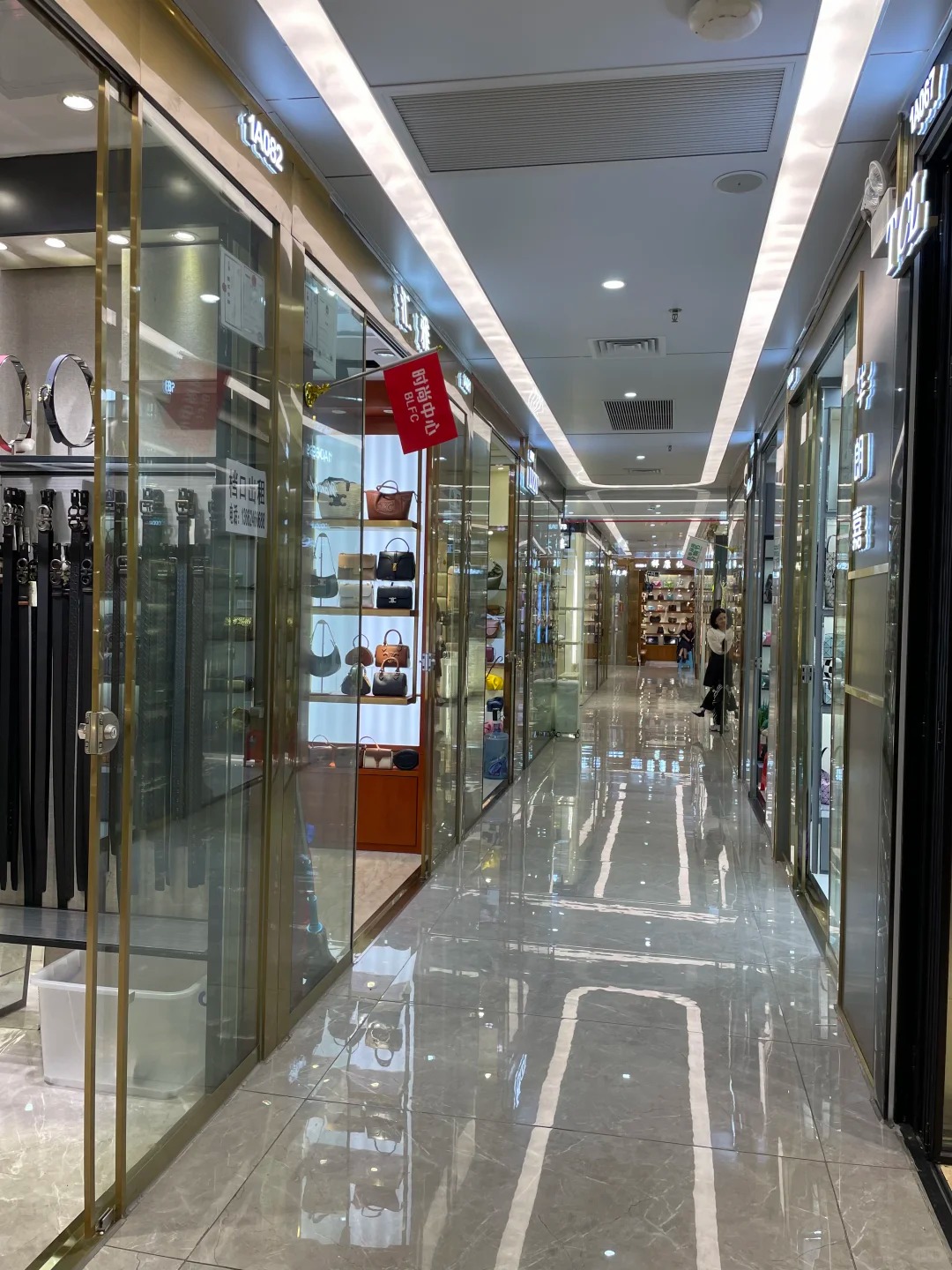
Zhuji International Pearl City is the largest, with over 2,000 stalls. Guangzhou’s Huagui Road (Flower and Bird Market) has a dedicated pearl section with quick shipping. Both places let you mix and match strands, check for blemishes, and negotiate bulk discounts. Don’t just bu online first—visit, see the stock, and build a relationship with a stall owner who can supply you consistently.
How to Evaluate Pearl Quality at a Stall
Luster and Surface
High-quality pearls have a sharp, mirror-like reflection. Roll a pearl bead across a white cloth—true luster won’t fade. Check for pits, bumps, or uneven shapes under a bright light. Good-quality freshwater pearls are nearly round with minimal imperfections.
Drilling and Stringing
For jewelry making, the drill hole must be centered and smooth. Run a few beads on a string—if they catch or wobble, the drill is off. Ask the supplier to show you half-drilled beads if you need them for earrings or pendants. Also, feel the bead weight: solid, dense pearls indicate good nacre thickness. Cheap beads feel light or plasticky.
Color Consistency
If you’re making a strand, hold several pieces together under natural light. Dyed pearls should have uniform color without streaks. Natural colors like white and cream are easier to match. For pastel dyed beads, request a sample batch first.
Pricing and Negotiation Tips
Prices vary by size, shape, and luster. A 6-7mm round pearl string (about 40 beads) might cost $5-$8 in the market, while an 10-11mm string can be $20-$30. Always ask for “factory price” and quote higher quantity (e.g., 200 strands even if you need 50) to get a better rate. Stall owners expect haggling—start at 50% of quoted price, settle at 60-70% if you’re buying multiple.
Direct Sourcing via Platforms
If you can’t visit China, use trusted platforms like Soudangkou to connect with verified stall owners. You can request real-time video of stock, compare quotes, and arrange inspection before shipment. This bridges the gap between market access and remote buying.
FAQ: Common Questions About Pearl Beads Sourcing
| Question | Answer |
|---|---|
| What is the minimum order quantity? | Most stalls require 10-50 strands per size/color. Mixing can lower minimums. |
| Are these real pearls? | Yes, all natural freshwater pearls. Imitations are clearly labeled as “artificial.” |
| Can I get a sample? | Yes, most sellers provide sample cards for a small fee (refundable with order). |
| How long does shipping take? | From Zhuji, 3-5 days via courier to Guangzhou, 7-10 days to US/Europe. |
| Do they offer custom drilling? | Yes, many stalls have onsite drilling machines for half-drill or large-hole orders. |
| What about dyed pearls – are they stable? | Reputable sellers use heat-set dyes. Test by rubbing with acetone; no color rub-off. |
Final Advice
Don’t fall for “AAA” grades—they’re vague. Focus on specific traits: luster sharpness, surface cleanliness, drill hole quality. Build a relationship with one stall over multiple visits. A reliable pearl beads for jewelry making supplier in China is worth more than a cheap one-time deal.
广州服装档口相关入口
继续查看相关市场和品类入口,方便对比档口微信、货源范围、拿货方向和试单前需要核实的信息。