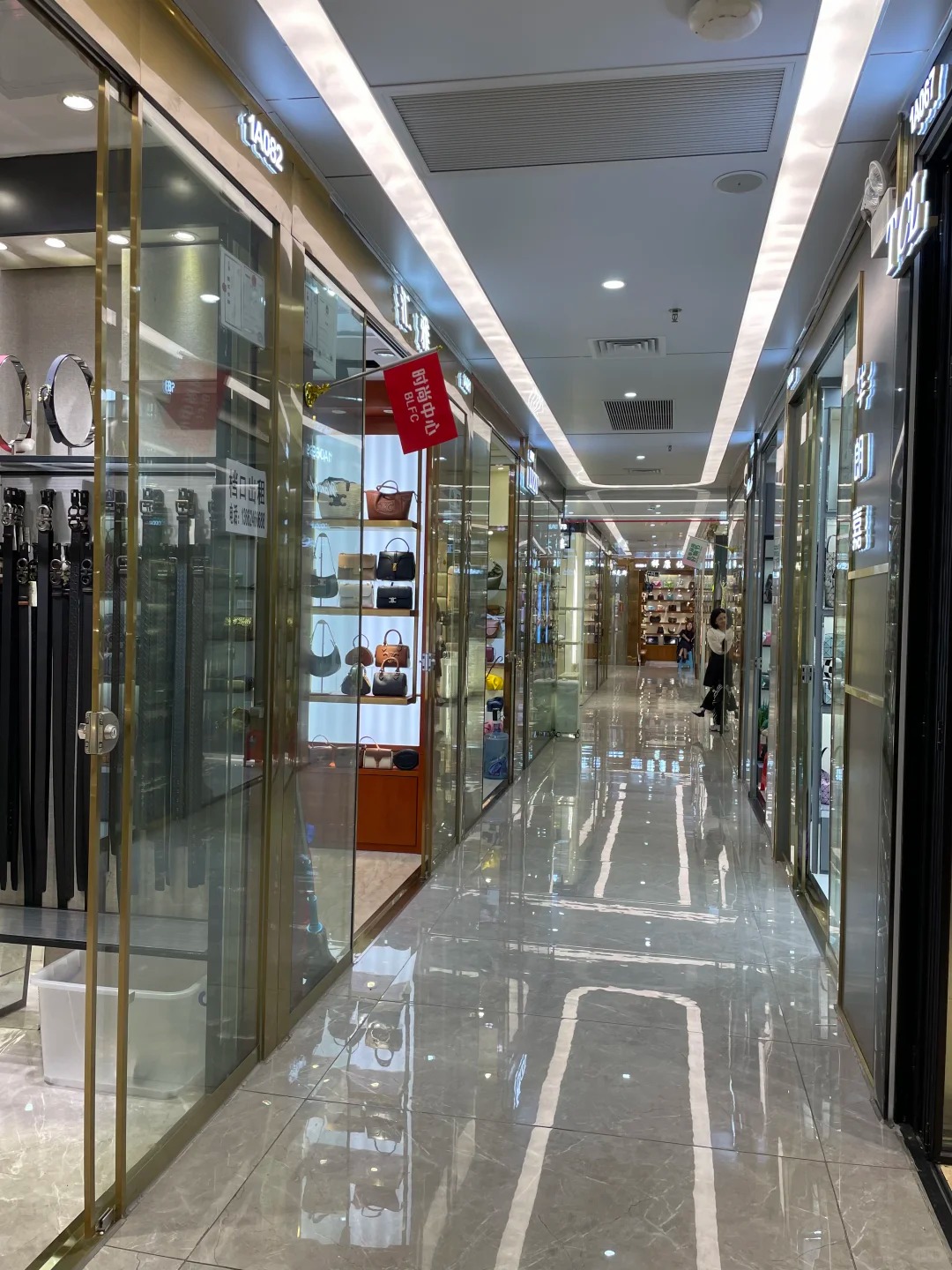

If you’re sourcing used clothing bales from China, the key is directly negotiating with wholesale market stalls—cutting out middlemen saves 15–30%. This guide breaks down the real dynamics at major hubs like Guangzhou and Shanghai, how to assess fabric quality and stitching, and how to spot reliable suppliers.
Where to Find Used Clothing Bales Suppliers in China
The supply chain for used clothing bales is centralized in a few key markets. The biggest is Guangzhou’s Shihui (Shi Pai) area, specifically the Used Clothing Wholesale Market on Guangyuan West Road. Here, hundreds of stalls sell bales by weight—typically 40–50 kg per bale—sorted into grades like A (top quality, mostly European/American origin), B (mixed brands), and C (low-grade for rags).
Another major hub is Shanghai’s Jiading Used Clothing Market, which feeds into both domestic and African export channels. Stall owners here often have direct contracts with collection agencies in Europe, so you can negotiate specific origin mixes.
How to Pick a Reliable Stall: Fabrics & Stitching
Most bales are sealed and you can’t open them before buying—but you can assess the supplier’s credibility through a few spot checks:
- Request a sample bale: Reputable suppliers will allow you to purchase one bale first. Check the fabric composition—natural fibers like cotton and wool hold value, while polyester blends are lower grade.
- Inspect stitching: Look at the seams on sample pieces. Loose threads or uneven stitching indicate low-quality sorting. Premium bales should have items with intact zippers, buttons, and minimal defects.
- Smell test: Musty or chemical odors suggest mold or poor storage—avoid those stalls.
Bale Grading & Pricing: What to Expect
Prices vary by grade but generally range from $1.50 to $3.00 per kg (FOB China). Grade A bales (mixed brand-name casual wear) cost more but resell faster. Stall owners often offer discounts for bulk orders of 100+ bales. Always negotiate on “inspection fee” – a small extra to open a couple of bales in front of you.
Firsthand Sourcing Tips from the Market Floor
Walking the aisles, you’ll notice experienced buyers carrying small tools: a fabric burn test kit (to check fiber type) and a magnifying glass for stitching details. Build relationships with 2–3 stall owners rather than hopping around; they’ll give you first pick of newly arrived containers. Payment is usually cash or T/T with 30% deposit, balance on loading.
For a curated list of verified suppliers, Soudangkou connects buyers directly to market stalls with transparent pricing and sample programs.
FAQ: Used Clothing Bales Suppliers in China
| Question | Answer |
|---|---|
| Can I visit the markets in person? | Yes, Guangzhou’s Shihui market is open daily 9am–5pm. No special permit needed, but bring a translator if you’re not Chinese-speaking. |
| What is the minimum order quantity? | Most stalls require a minimum of 1 bale (40–50 kg) for sample, and 50 bales for wholesale. Some accept smaller orders at a higher per-kg price. |
| How do I check quality without opening bales? | Ask for “show bale” – a pre-opened bale displayed at the stall. Assess the top layer; if it looks good, the rest is usually consistent. |
| What are the export regulations for used clothing? | You need an export license from a fumigation company (for insect control) and a certificate of non-hazardous material. The stall owner usually arranges this for $50–100. |
| How can I avoid scams? | Only deal with stalls that have been in the market for >3 years. Use a third-party inspection service for large orders. |
| Is shipping included in the price? | No, prices are FOB market. Shipping from Guangzhou to Africa or Southeast Asia costs approx. $800–$1,500 per 20ft container. |
Remember, the best deals come from knowing the market rhythm—new shipments arrive every week, and stall owners are more flexible during slow months (July–August and Chinese New Year). Soudangkou offers a digital marketplace to compare suppliers and request samples before you fly out.
广州服装档口相关入口
继续查看相关市场和品类入口,方便对比档口微信、货源范围、拿货方向和试单前需要核实的信息。