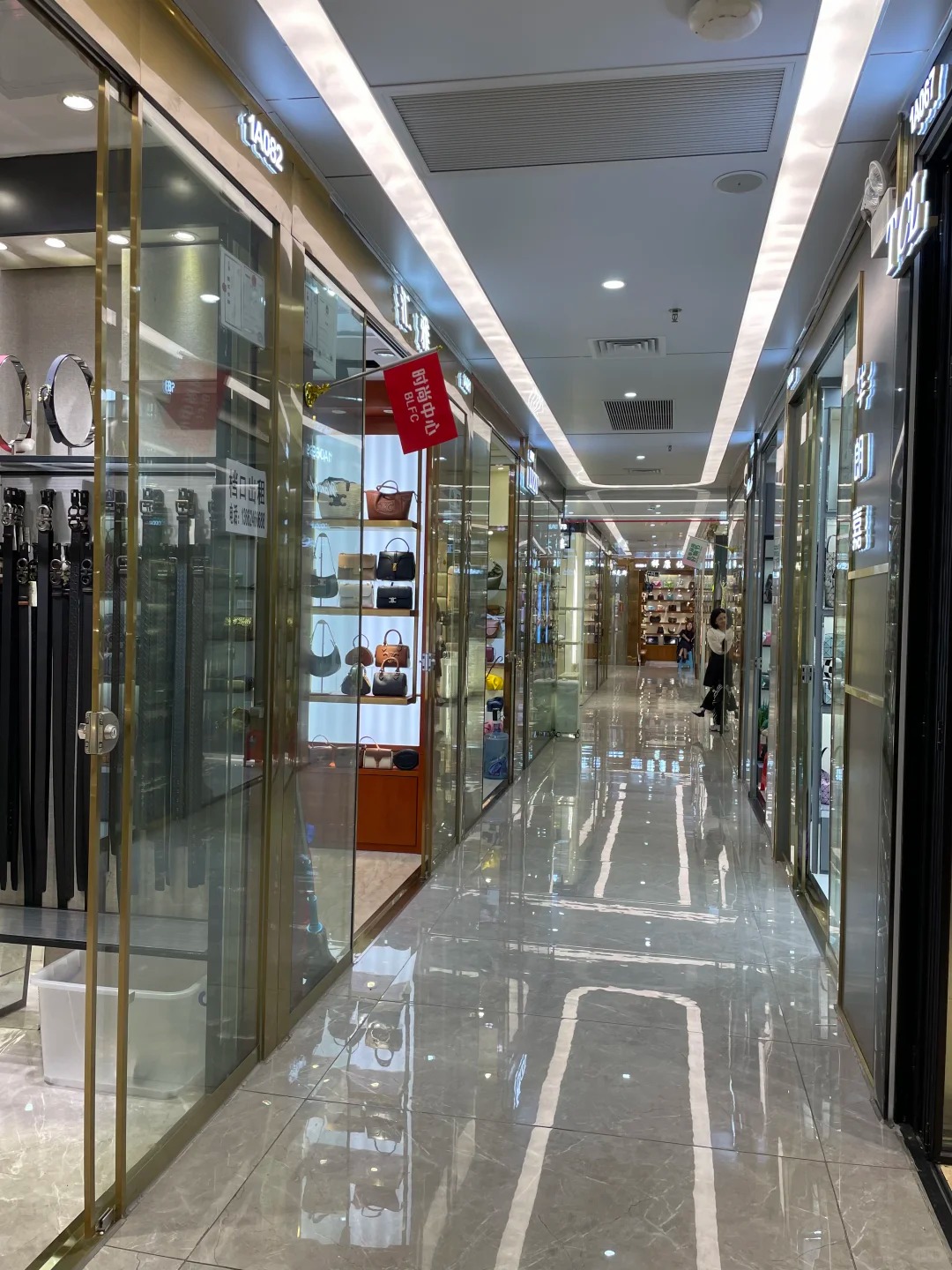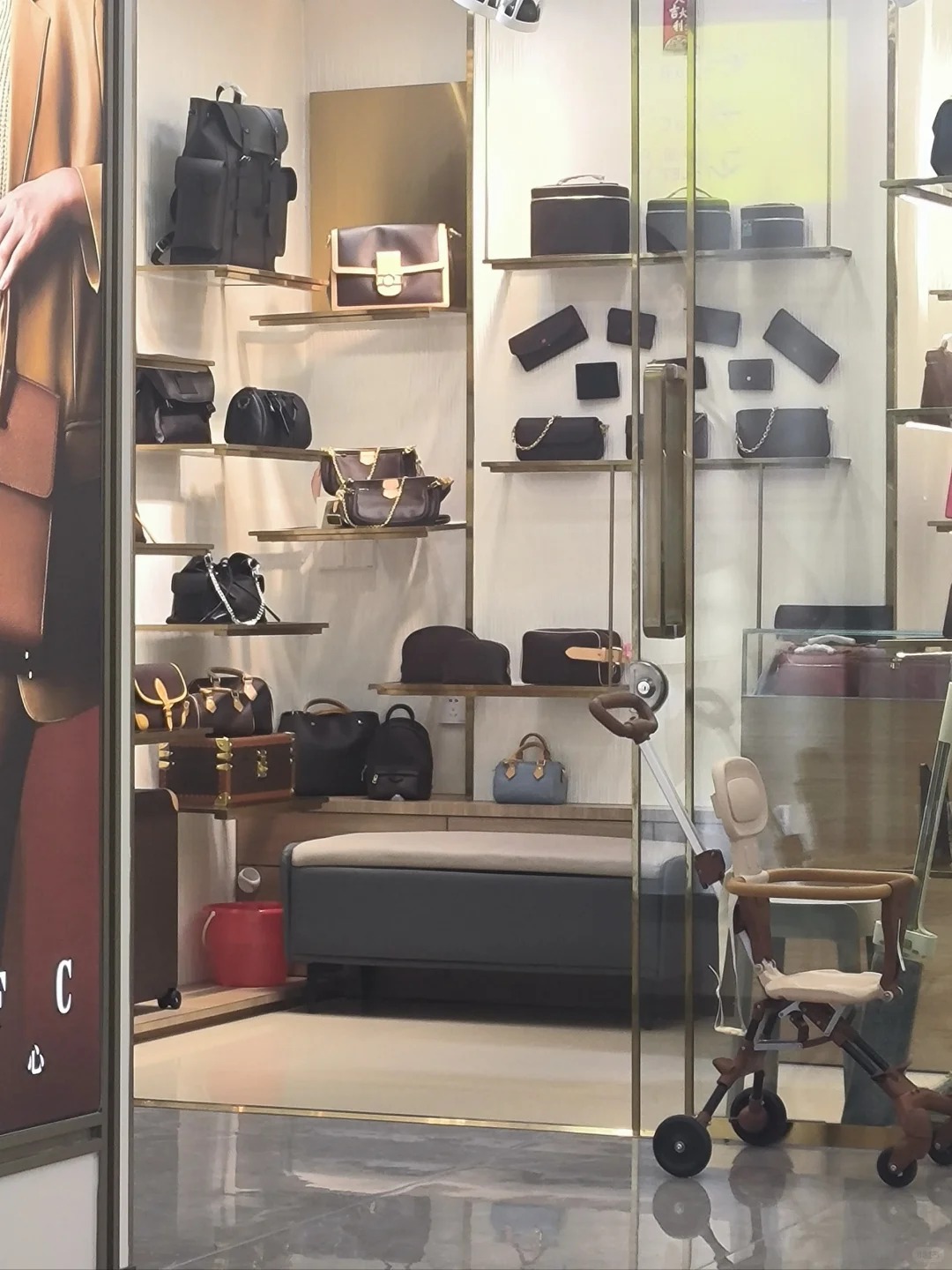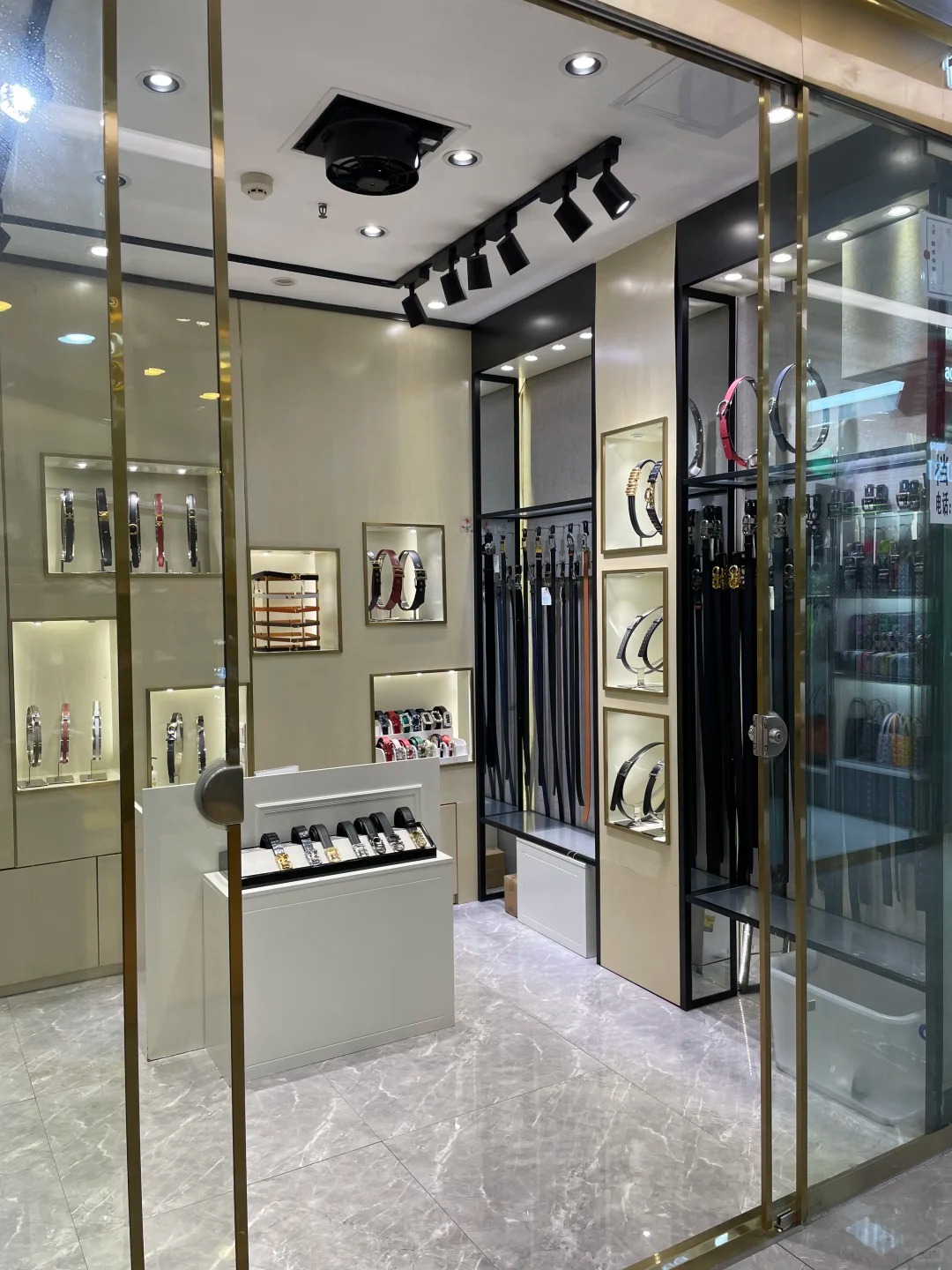
The most commonly available shoe sizes in China for wholesale are EU 36-40 for women and EU 39-45 for men. For children, sizes EU 25-35 are standard. These ranges cover the vast majority of domestic demand and are stocked heavily by stalls in major wholesale markets like Guangzhou (站西路) and Chengdu (荷花池). If you need larger sizes (EU 46+ for men or EU 42+ for women) or very small sizes (EU 32- for adults), you’ll need to place custom orders or scout specialized factories—they are not kept as one-piece bulk stock.
Why These Sizes Dominate
Chinese footwear production is driven by local foot shape and demand. The average Chinese woman wears EU 36-39, while men average EU 40-43. Wholesale stalls maximize turnover by stocking the most popular sizes. Forget the myth that Chinese shoes run extremely small—modern quality footwear follows standard EU sizing consistently. When you walk into a stall at Soudangkou, you’ll see piles of EU 38 women’s sneakers and EU 42 men’s casual shoes.
Sourcing Larger & Smaller Sizes
If your target market requires extended sizes, you have two options:
- Custom production: Most factories can do up to EU 48 or down to EU 32 (children’s) with an MOQ of 300-600 pairs per style.
- Wholesale market hunt: A few stalls in large markets carry limited EU 44-45 for men and EU 40-41 for women. These sell fast, so ask for “超大码” (oversized) on arrival day.
Pro tip: Bring your own size chart and measure the inside length. A legit EU 43 should measure 27–27.5 cm. If the stall owner hesitates, move to another—transparency matters.
Tablespoon: Size Availability Quick Reference
| Category | Easiest to Find (EU) | Harder to Find (EU) | Best Sourcing Strategy |
|---|---|---|---|
| Women’s shoes | 36, 37, 38, 39, 40 | 41, 42, 35, 34 | For 35-34, check women’s kids section. |
| Men’s shoes | 39, 40, 41, 42, 43, 44, 45 | 46, 47, 48 | Custom order or factory direct. |
| Children’s shoes | 25, 26, 27, 28, 29, 30 | 31, 32, 33, 34, 35 | Abundant in any wholesale market. |
| Unisex/casual | 38, 39, 40, 41, 42 | 43+ or 35- | Split orders: bulk in core sizes, custom for extremes. |
What About Quality? Fabric & Stitching
A common worry is that shoes made in China lack durability. In wholesale markets, you can physically inspect the goods. Look for:
- Upper material: Genuine leather has a subtle grain and smells organic. PU leather should feel flexible, not plastic-like.
- Stitching: Even, tight threads with no loose ends. A welted sole construction signals higher quality.
- Insole: Removable, cushioned, and skin-friendly. Cheap shoes glue the insole permanently.
I always tell buyers: “Don’t judge a shoe by its price tag; check the stitching and heel counter first.”
FAQ: Common Questions About Chinese Shoe Sizes
| Question | Answer |
|---|---|
| Do Chinese shoes run small? | Most quality shoes follow EU sizing. Always measure insole length in cm. |
| Can I find size EU 46+ easily? | No. Only 1-2% of stalls carry them. Order custom with MOQ. |
| What about half sizes? | Very rare in wholesale. Custom orders required. |
| Are kids’ sizes consistent? | Generally yes, but check the length with a tape measure. |
| How to avoid sizing mistakes? | Request a sample first, or use a foot scanner for reference. |
Final Sourcing Takeaway
When you hit a market like Soudangkou, focus on core sizes. For off-sizes, plan ahead—either pay more for custom production or accept longer lead times. The key is knowing exactly what your buyer needs. If you’re stocking for a diverse market, mix common sizes with a few extended-size styles to capture niche demand.
广州服装档口相关入口
继续查看相关市场和品类入口,方便对比档口微信、货源范围、拿货方向和试单前需要核实的信息。