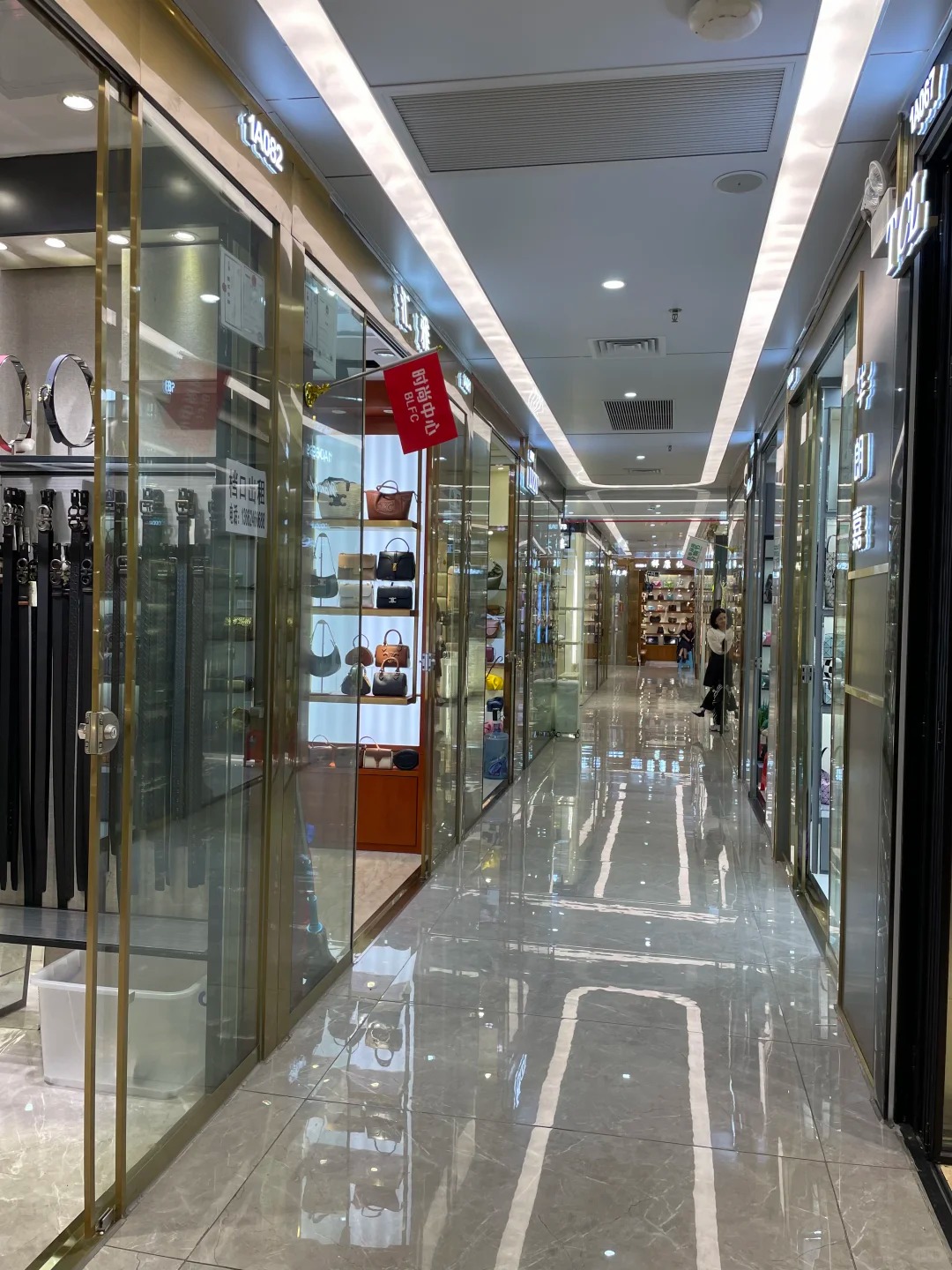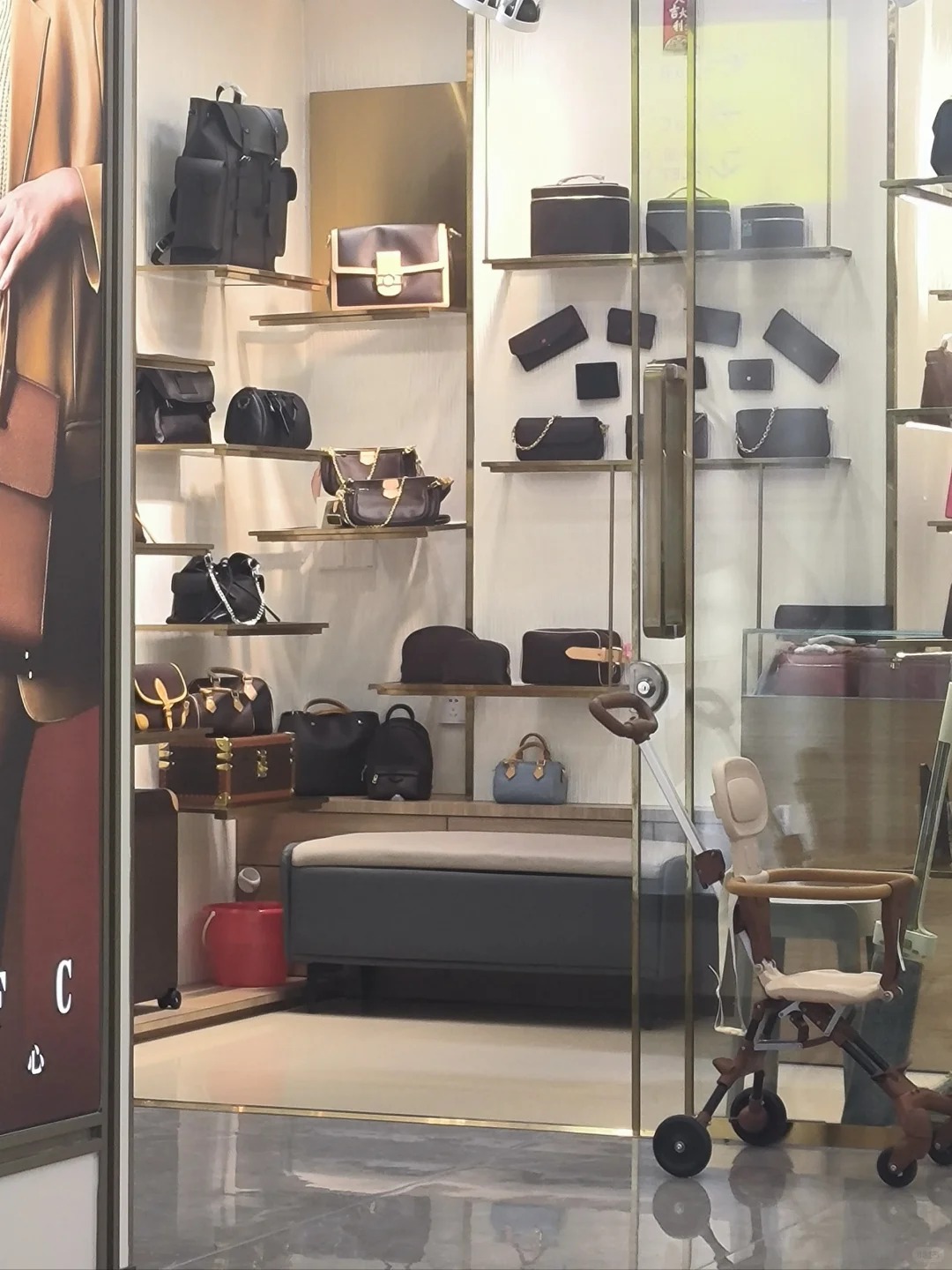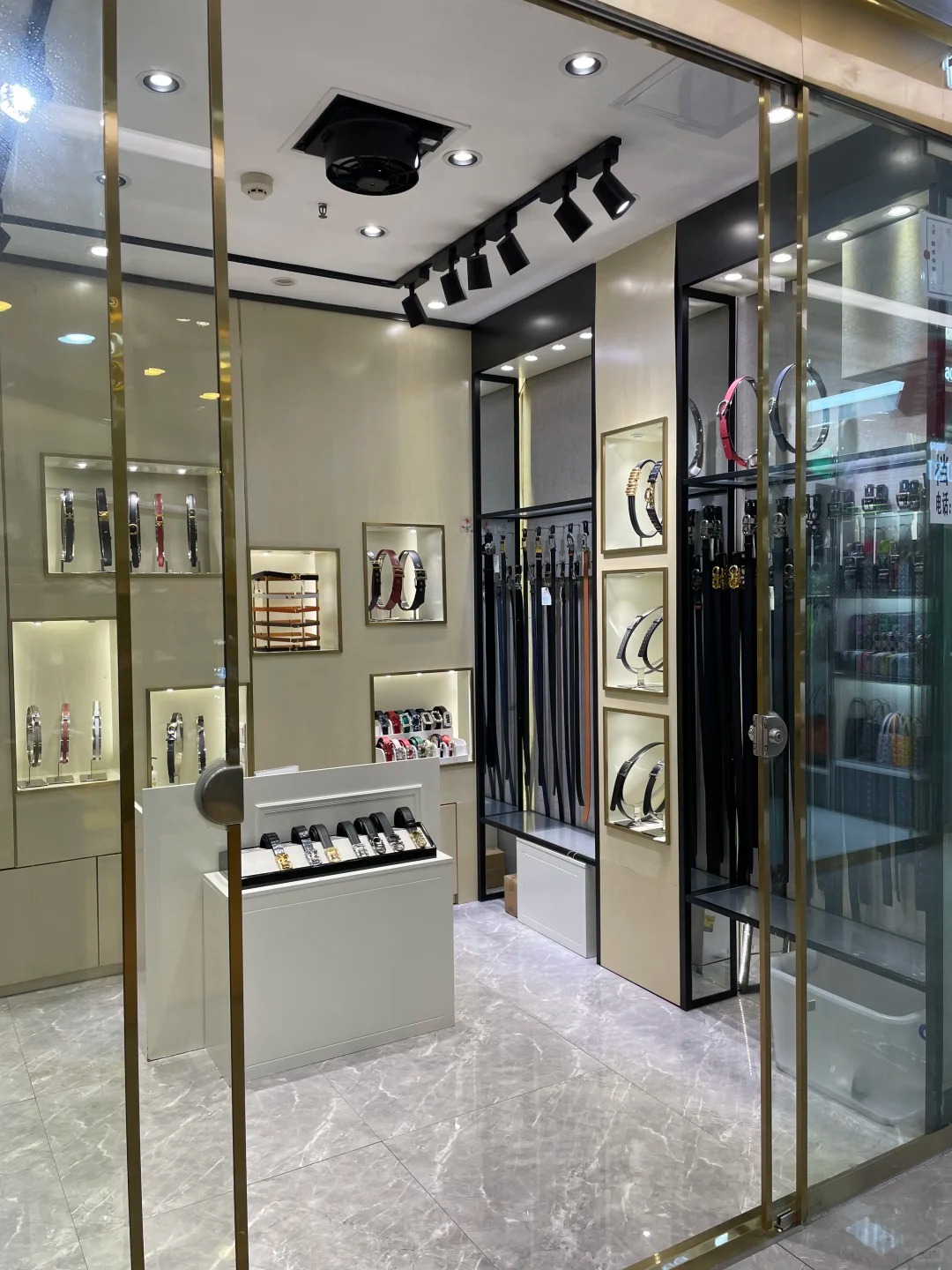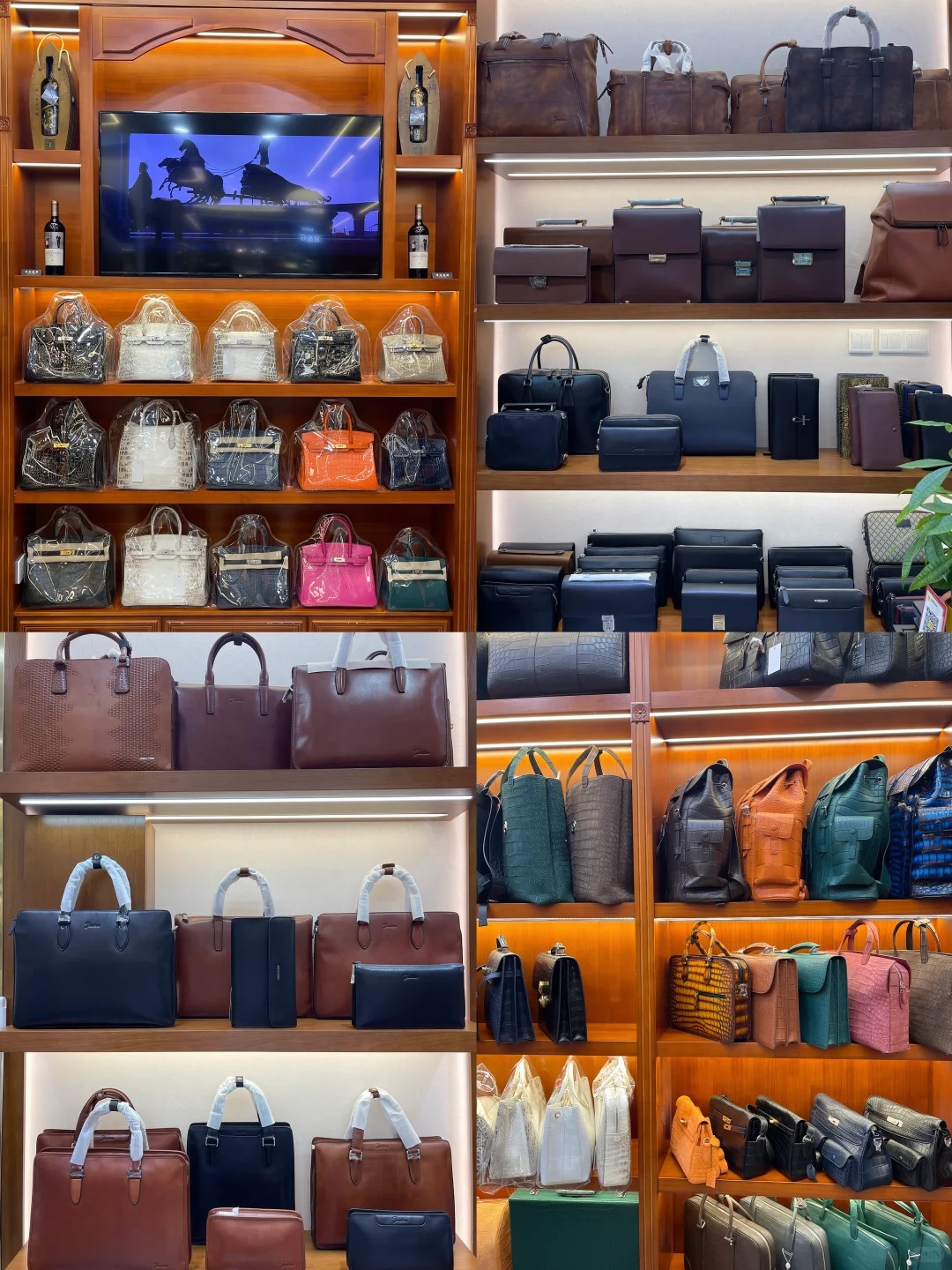
Almost every shoe type you can imagine—sneakers, boots, sandals, heels, loafers, and more—is massively produced in China, especially in clusters like Putian (sneakers), Wenzhou (dress shoes), and Guangdong (sandals & heels). For wholesale buyers, the key isn’t just knowing where, but how to pick genuine factory-direct stock from market stalls with real craftsmanship.
The Most Commonly Made Shoes in China
China dominates global shoe production. Here’s a breakdown by category:
- Sneakers & Athletic Shoes — Putian, Fujian is the world capital. From budget canvas to premium knit runners.
- Dress Shoes & Boots — Wenzhou, Zhejiang specializes in leather oxfords, loafers, ankle boots with solid stitching.
- Sandals & Slippers — Guangdong (especially Huizhou and Guangzhou) pumps out millions of rubber EVA, leather, and PVC sandals.
- Heels & Fashion Pumps — Guangdong again, plus Chengdu – high heel exports with intricate lasts.
- Outdoor & Hiking Boots — Fujian and Zhejiang produce waterproof, heavy-duty boots for global brands.
- Children’s Shoes — Wenzhou and Jiangxi are key for affordable, durable kids’ footwear.
Wholesale Market Stalls: The Sourcing Reality
When you walk into a Chinese wholesale market (like Guangzhou’s Zhanxi Road or Yiwu), you’ll see hundreds of stalls claiming “factory price.” Don’t be fooled by low minimum order quantities. Here’s how to evaluate real quality:
Fabric & Material Feel
Pick up the shoe. Is the upper leather or synthetic? Press the toe – cheap cardboard-like reinforcement gives way. Quality shoes use thermoplastics or fiberboard. For mesh sneakers, stretch a small area – poor elasticity means early tear.
Stitching & Workmanship
Turn the shoe over. Look at the sole attachment: Goodyear welt (stitched) is rare – most are cemented. But even cementing should be clean, no gaps. Inside, run a finger along the insole – rough edges = cheap labor. Check the heel counter stiffness; it shouldn’t collapse when squeezed.
Getting the Best Stock
Negotiate for mixed models in one size run, or ask for the “ex-factory” pair – the exact sample. Don’t pay before inspecting. Use a lumen cloth to check for color stains. Also, ask for the latest drop; many stalls release new designs weekly.
FAQ: Quick Answers for Buyers
| Question | Answer |
|---|---|
| Are all “made in China” shoes low quality? | No. Quality varies drastically by factory. Many global brands rely on Chinese craftsmanship. You get what you pay for. |
| What is the best city for sneakers? | Putian, Fujian. But know that the premium “authentic-grade” sneakers from there are not fakes – they are often same-factory overruns. |
| How do I avoid poor stitching? | Count stitches per inch – 6-8 on uppers is solid. Check for loose threads and inconsistent tension. |
| Can I get custom private label runs from market stalls? | Yes, most stalls can connect you with a factory for MOQs from 300-1000 pairs per design. |
| What is Soudangkou’s role? | Platforms like Soudangkou help verify stalls and share real reviews, making it easier to find trusted sellers. |
| Are leather shoes from Wenzhou good? | Yes – Wenzhou is known for genuine leather dress shoes. Check the lining – full grain is best. |
Final Takeaway: Don’t Overthink the Label
China makes everything – from no-name flip-flops to high-end designer heels. The question isn’t “what shoes are made in China” but “which factory made them.” Visit wholesale market stalls, touch the goods, and trust your hands. Use platforms like Soudangkou to cross-check stall reputation. Your buyers only care about durability and style – you can deliver that from China every time.
广州服装档口相关入口
继续查看相关市场和品类入口,方便对比档口微信、货源范围、拿货方向和试单前需要核实的信息。