
Where is Lululemon Actually Made in China?
Lululemon does not manufacture its own products in China. The brand outsources to contract factories, primarily in the Guangdong region (Shenzhen, Dongguan, Guangzhou) and parts of Fujian and Jiangsu. These facilities produce for multiple global athleisure brands. For wholesalers, knowing the exact factory clusters is key to sourcing similar-quality spot goods from nearby market stalls.
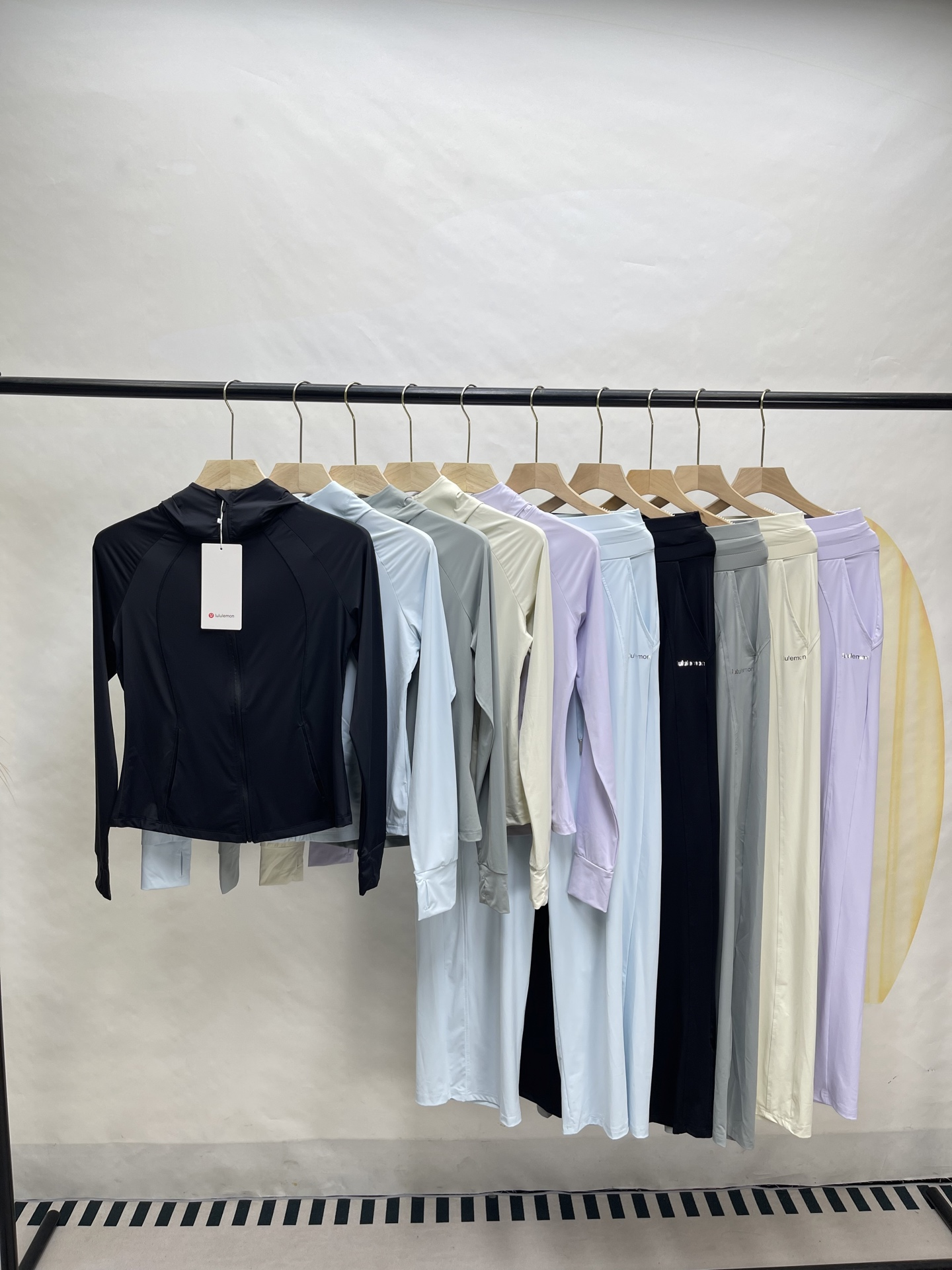
Here’s the truth: While Lululemon itself doesn’t operate factories in China, the country’s supply chain for high-performance fabrics—like Nulu, Everlux, and Luon—is concentrated in the Pearl River Delta. Many mills in these areas also supply fabric to Lululemon’s authorized manufacturers. This means that small-batch wholesalers can find near-identical fabrics and construction at dedicated market stalls in Guangzhou’s Zhongda Fabric Market or Dongguan’s Humen Town.
If you’re a wholesaler looking for ready-to-ship spot goods, your focus should be on stalls that openly display fabric certifications (Oeko-Tex, GOTS), have samples of 4-way stretch, anti-pilling, and moisture-wicking fabrics, and can provide a BOM (Bill of Materials) for their leggings or sports bras. The best stalls don’t hide their sources—they show you the same stretch threads and flatlock seams used in top-tier gear.
How to Vet a Wholesale Stall for Lululemon-Style Quality
1. Check the Fabric Weight and Hand Feel
Authentic Lululemon leggings use 300-400 GSM (grams per square meter) four-way stretch nylon/spandex blends. At a wholesale stall, ask for a swatch. Fold it: does it hold creases? Real Nulu fabric is brushed, soft, and crease-resistant. Rip the fabric sideways—if it snaps easily, move on.
2. Inspect the Seams and Stitching
Lululemon uses flatlock seams to prevent chafing. Look for 1.5cm stitch length on waistbands. A good stall will let you inspect the inside of the leggings—if the seams are raw or have loose threads, that’s a red flag. The waistband should have a hidden drawcord and a single-layer construction (no thick elastic band).
3. Verify the Supplier’s Credentials
Real wholesalers source from factories that also produce for activewear brands. Ask for the factory’s ISO 9001 or BSCI certification. Many top stalls in markets like Guangzhou’s Liwan District or Shenzhen’s Huaqiangbei have these. They will also offer a minimum order quantity (MOQ) of 50-100 pieces per style for spot goods—lower than typical contract factories.
Where to Physically Find These Wholesale Stalls
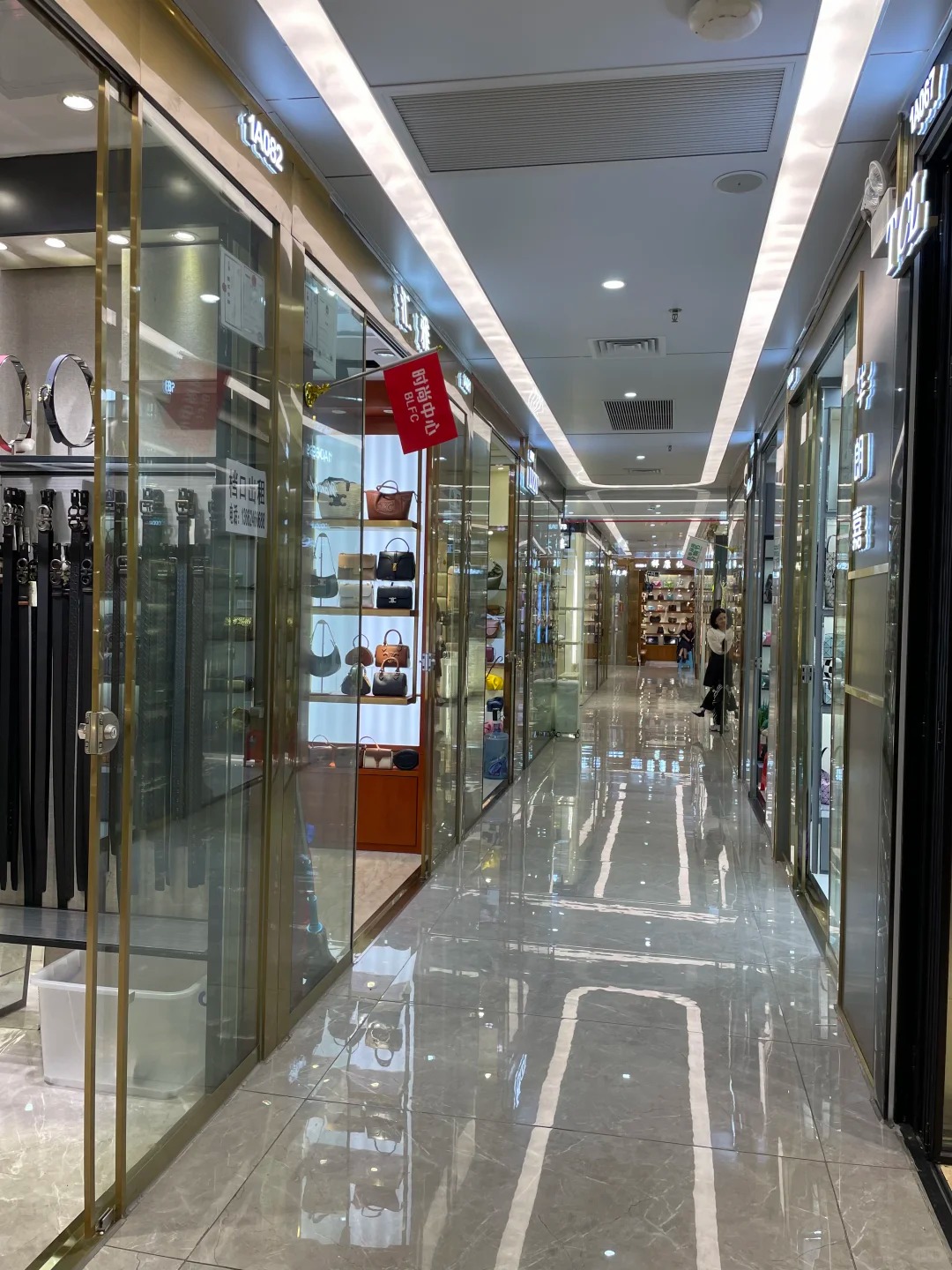
The best clusters are in Guangzhou’s Zhongda Fabric Market for fabric and Dongguan’s Humen International Fashion Plaza for finished goods. At Humen’s plaza, head to the third or fourth floor—stalls there specialize in athleisure. Many display garments with ‘spot goods’ (现货) signs. Ask directly: “Can you show me the same fabric as Lululemon’s Align leggings?” A serious vendor will pull out a spec sheet, not a vague sample.
For those who can’t travel to China, platforms like Soudangkou provide curated access to verified wholesalers who offer fabric specs and real photos of spot goods. It simplifies the search for one-stop sourcing of performance fabrics or finished items.
Red Flags to Avoid in Wholesale Markets
- No fabric label: Reputable stalls show composition tags (78% nylon, 22% Lycra).
- Too cheap: Genuine quality fabric costs at least ¥35–¥50 per meter (wholesale). Finished leggings under $12 suggest inferior materials.
- Pushy sellers: A confident stall will let you test samples before buying bulk.
FAQ: Where is Lululemon Made in China?
| Question | Answer |
|---|---|
| Are Lululemon products made in China? | Yes, many Lululemon items are manufactured in China, but the brand does not own the factories—it contracts with suppliers primarily in Guangdong, Fujian, and Jiangsu provinces. |
| Where exactly are Lululemon factories located in China? | Key areas include Shenzhen (fabric innovation), Dongguan (garment assembly), and Guangzhou (accessories). Some factories are in Fujian for eco-friendly materials. |
| Can I buy Lululemon-quality fabric from wholesale markets? | Yes. Markets like Guangzhou’s Zhongda offer high-stretch nylon/spandex blends used by top brands. Look for Oeko-Tex certified fabric with 4-way stretch and anti-pilling properties. |
| Is it legal to sell products that resemble Lululemon? | Only if you avoid trademarks, logos, and copyrighted designs. You can sell unbranded items made from similar materials and construction. |
| How do I know if a stall has real spot goods? | Ask for immediate delivery. Spot goods are in stock; if they say “we need 7 days,” they are maybe producing to order. Insist on seeing the actual inventory. |
Last updated: 2024
广州服装档口相关入口
继续查看相关市场和品类入口,方便对比档口微信、货源范围、拿货方向和试单前需要核实的信息。