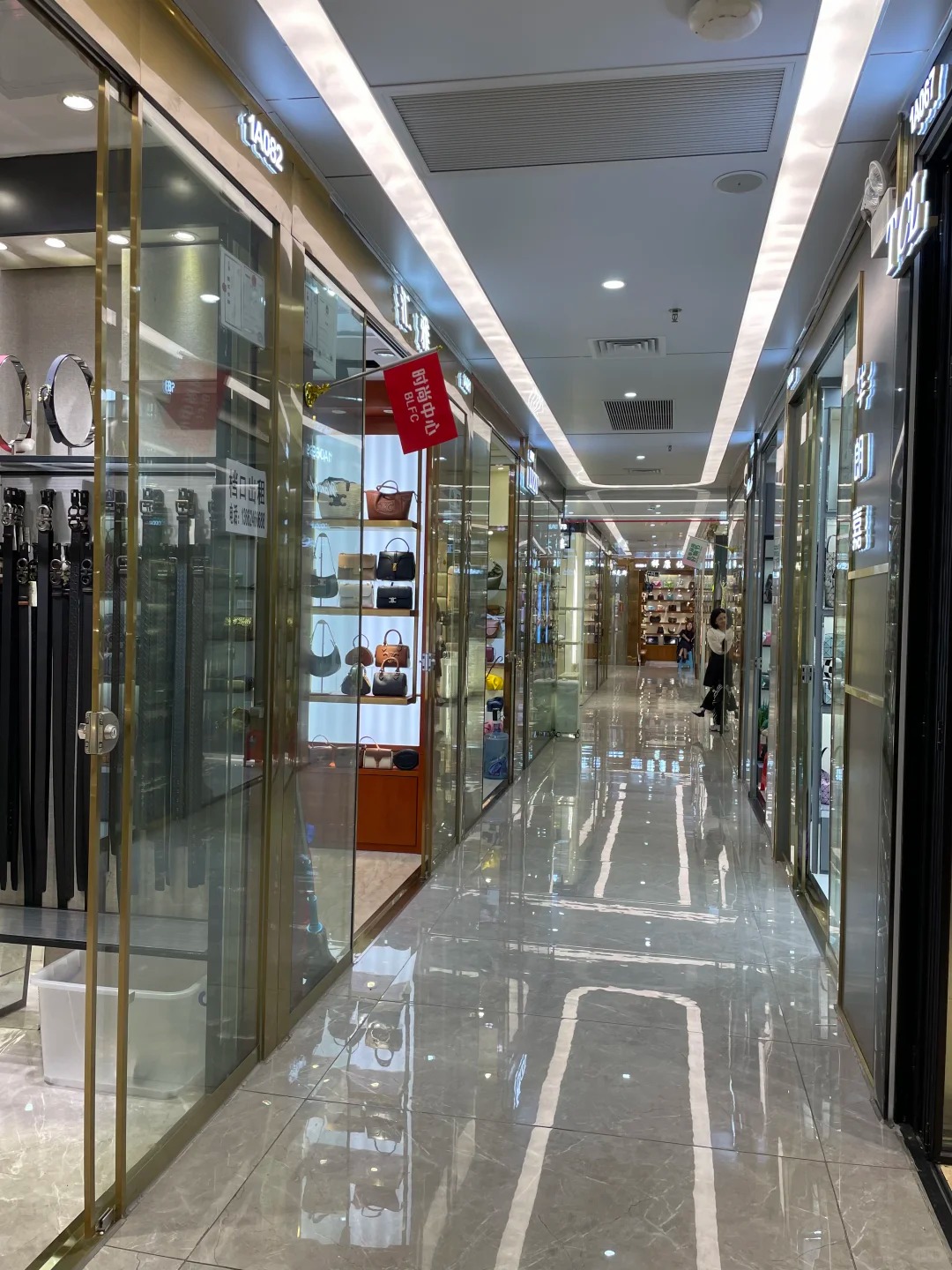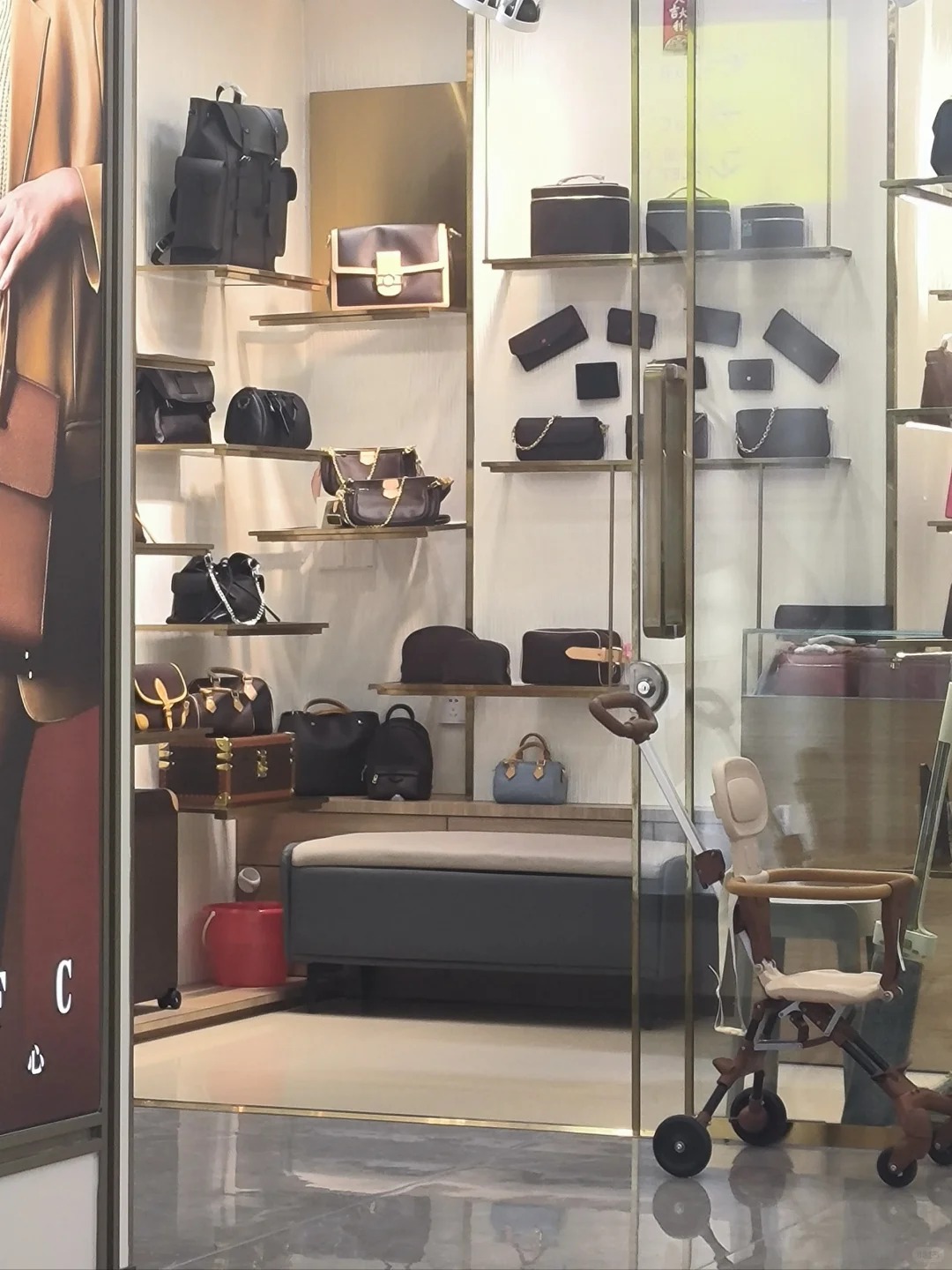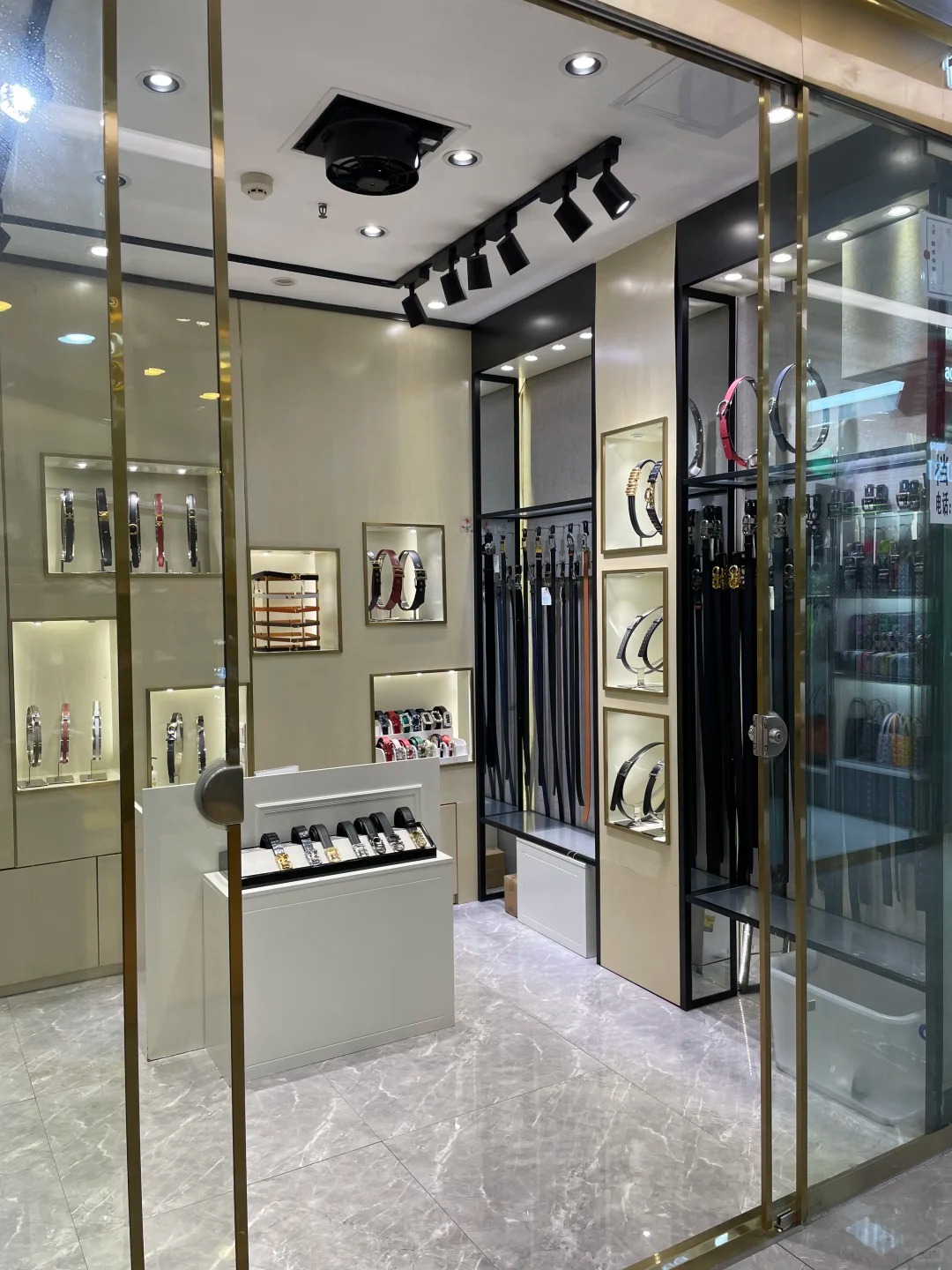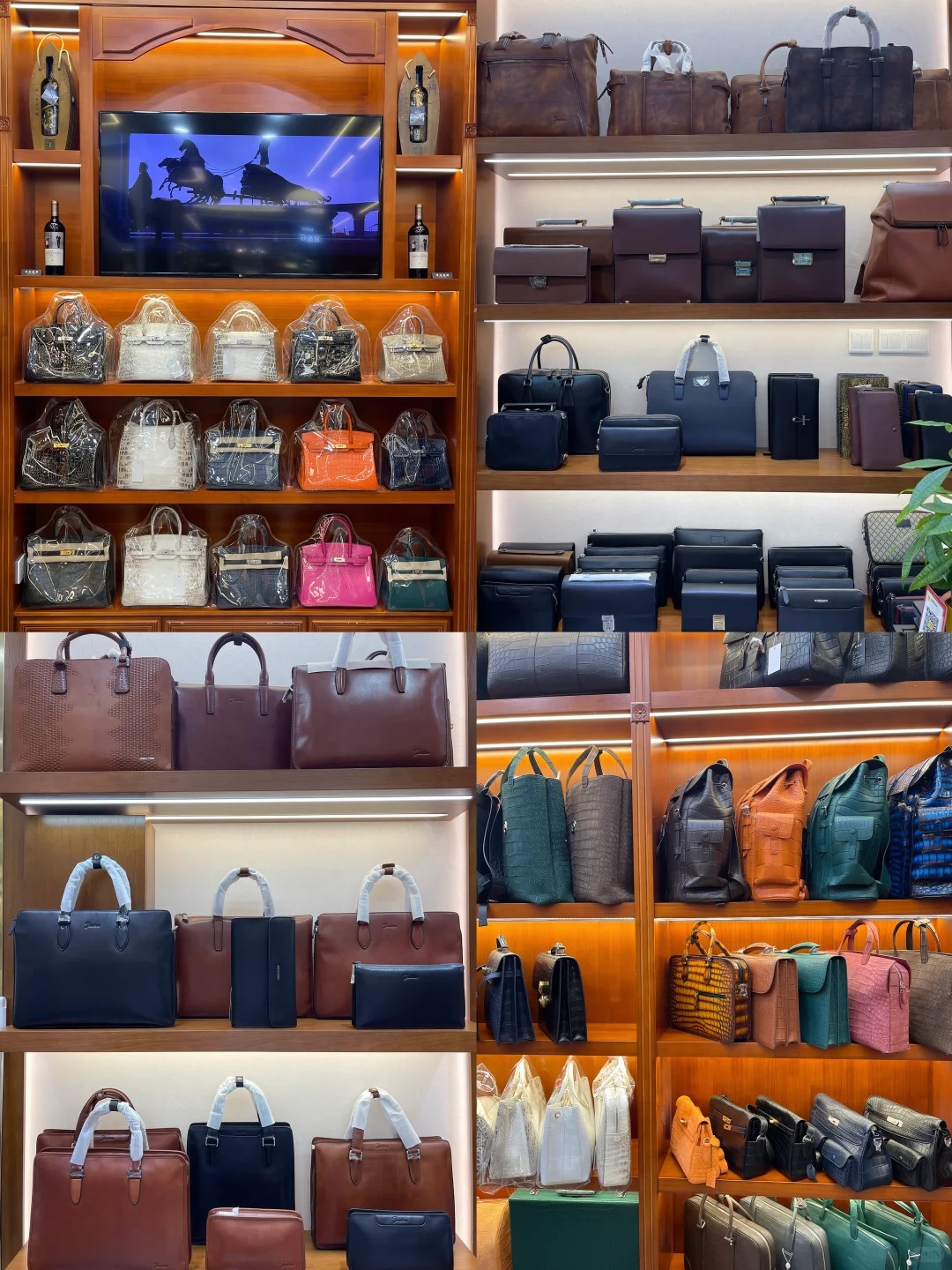

Looking for a wholesale insulated grocery bag supplier in china? Let’s cut the fluff. The best deals often come from physical wholesale market stalls, not just online platforms. At places like Yiwu International Trade City or Guangzhou’s wholesale markets, you can inspect the fabric touch and stitch precision firsthand. Insist on seeing actual spot goods – photos lie, but your fingers won’t. A reliable supplier will let you compare PEVA lining vs aluminum foil, check stitch density, and test zipper strength on the spot.
Why Focus on Physical Market Stalls?
Online sourcing can be a gamble. Market stalls offer immediate stock, real negotiation, and the chance to feel the material. For insulated grocery bags, the devil is in the details: a 210D nylon exterior with a thick PEVA lining usually wins over cheap Oxford cloth. Stitch count per inch? Ask for at least 8-10 stitches per inch for durability. And always, always check the zipper – a broken zip ruins the bag.
Top Tips for Evaluating Quality
Fabric Feel: Run your hand inside and out. A quality insulated bag should feel smooth, not rough or plasticky. The outer fabric should resist minor tears.
Stitching: Look for double stitching at stress points – handles and bottom seams. Single-stitch bags may unravel fast. Ask the stall owner: ‘How many stitches per inch?’ If they hesitate, walk away.
Insulation Layer: PEVA (non-toxic) is common for food safety. Aluminum foil works well but can be noisier. Test by filling with hot water; feel for heat leakage after 30 minutes.
FAQ: Wholesale Insulated Grocery Bags from China
| Question | Answer |
|---|---|
| What’s the minimum order quantity (MOQ) at market stalls? | Typically 50-100 pieces per style. Many stalls allow mix-and-match colors within the same design. |
| Can I get samples before committing? | Yes – expect to pay a small refundable deposit. Insist on unstitched samples to inspect the insulation. |
| What fabrics are best for insulating bags? | 420D nylon or 600D polyester for outer; PEVA or aluminum foil for insulation. |
| How do I avoid suppliers with poor stitching? | Ask for a stitch count demo. Strong suppliers will proudly show their work. |
| Is it cheaper to source from factories directly? | Factories require larger MOQs (1000+). Market stalls offer lower MOQs and immediate stock – ideal for small businesses. |
| What about customization (logo printing)? | Most stalls offer digital printing for small runs. For larger orders, ask about heat transfer or silkscreen. |
| What is the average price range for a standard insulated bag? | $1.50 – $3.00 FOB per piece, depending on size and material. |
Why Stitch Quality Non-Negotiable
I’ve seen bags unravel after a week. The culprit? Poor thread tension and low stitch count. A good supplier uses nylon thread (not polyester) and reinforces handle attachments with a cross-stitch. At the stall, gently pull the handle sideways – any give is a red flag.
Final Word on Finding a Supplier
You don’t need to overthink this. Visit China’s wholesale hubs, test products yourself, and build relationships with stall owners. For a curated selection of quality insulated grocery bags, Soudangkou connects buyers with verified market stalls – but always do your own hands-on check. Your customers will thank you.
广州服装档口相关入口
继续查看相关市场和品类入口,方便对比档口微信、货源范围、拿货方向和试单前需要核实的信息。