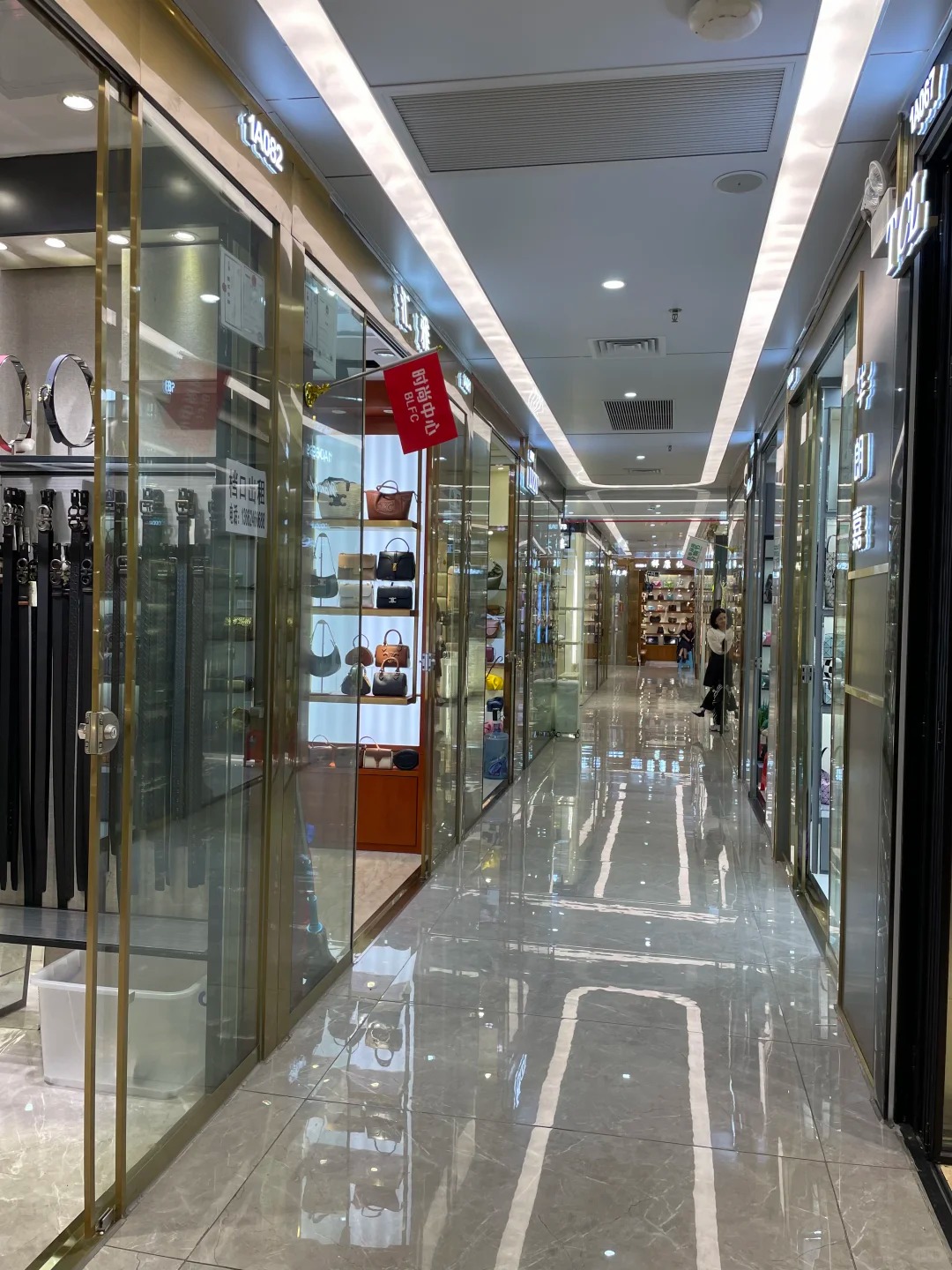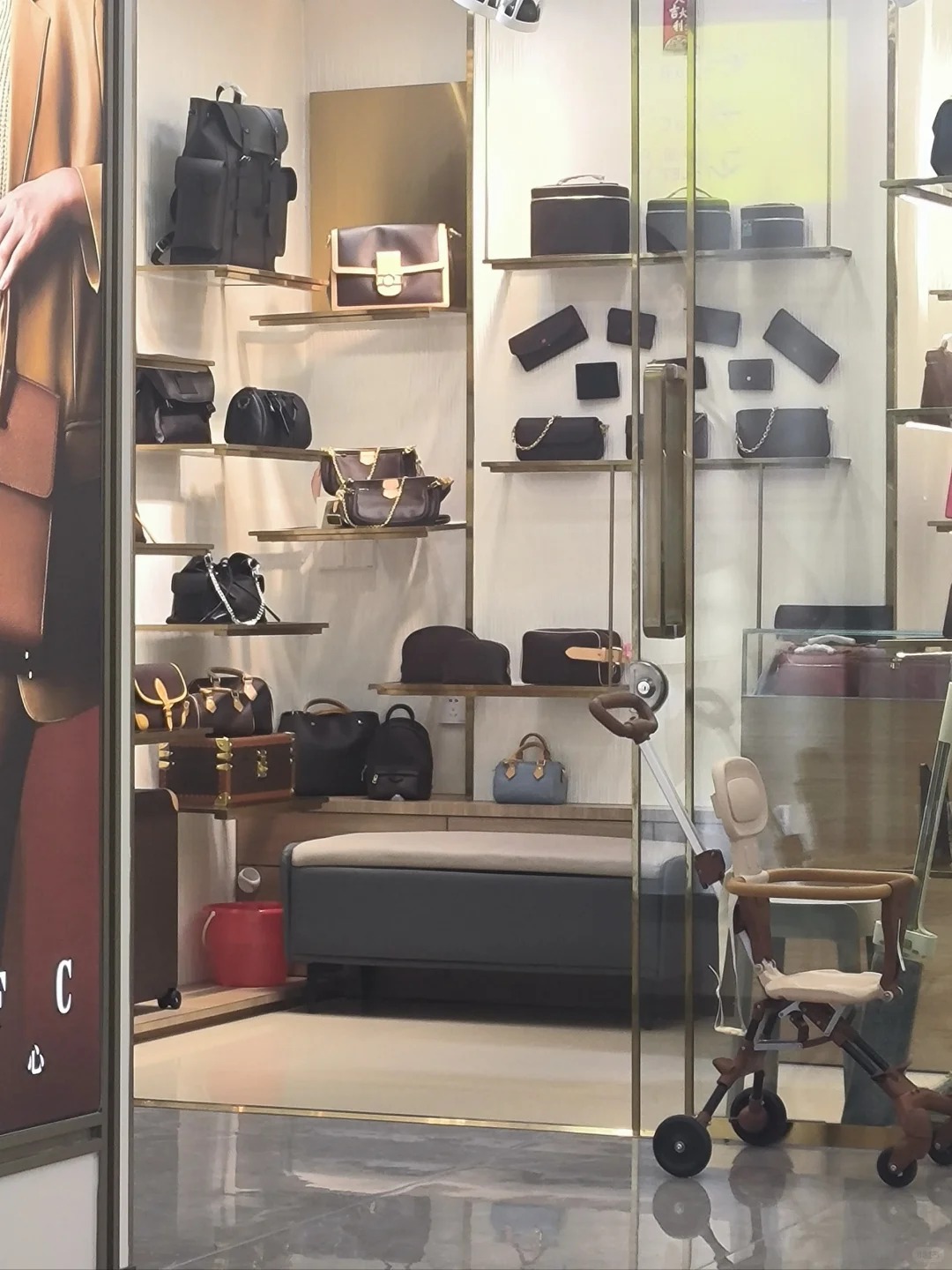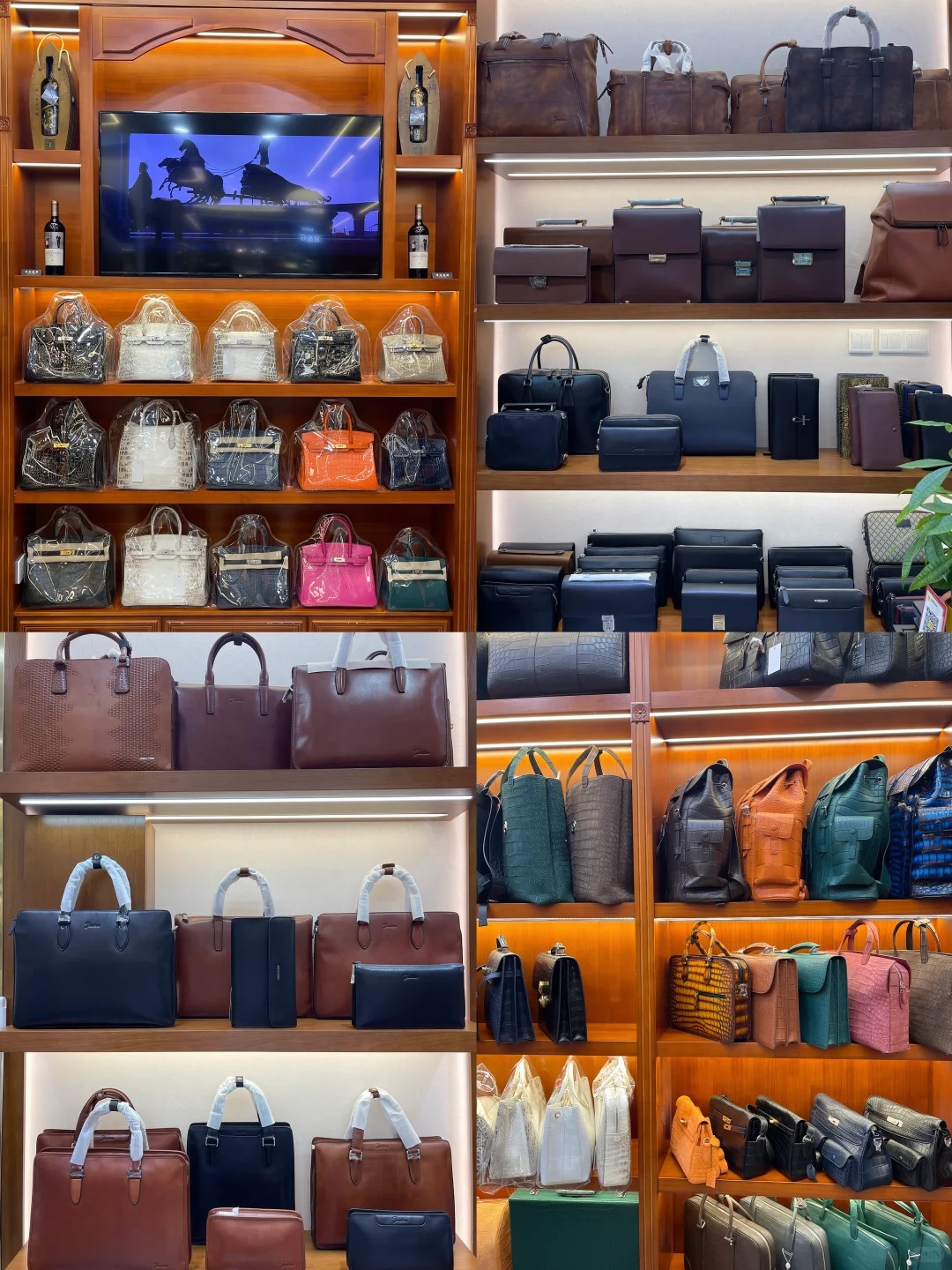

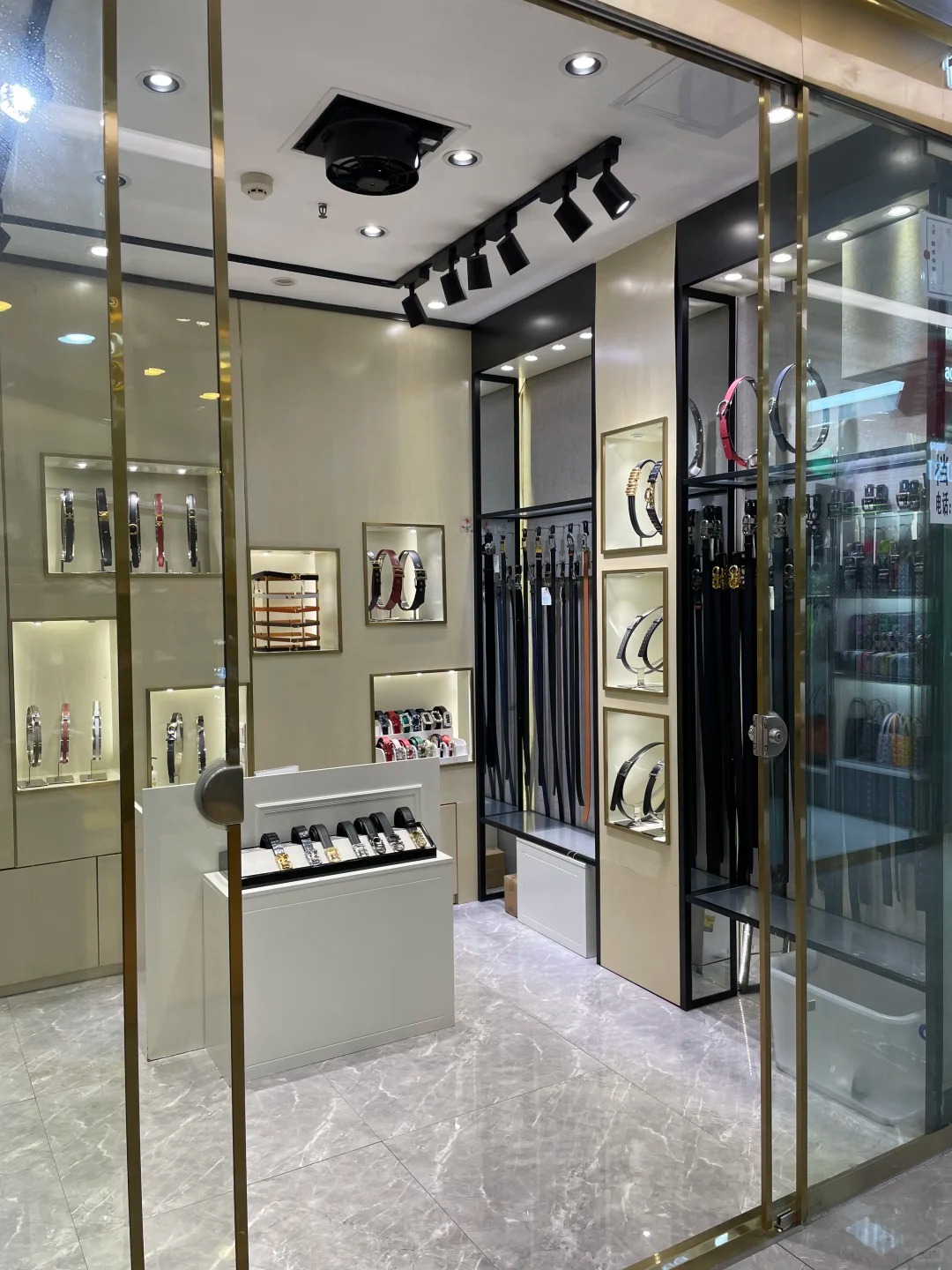
Looking for a grocery store bags wholesale supplier in china? The best bet for instant quality and competitive pricing is the wholesale market district—think Yiwu or Guangzhou’s Liwan area. Here, family-run stalls have decades of experience, and you can physically inspect bags, compare materials, and negotiate directly. This guide walks you through what to look for, from fabric feel to stitch tension, so you walk away with stock that sells.
Why Wholesale Markets Beat Online Sourcing
Online platforms list thousands of suppliers, but you can’t touch the bags. In a Chinese wholesale market stall, you can run your hand over woven polypropylene (PP) or non-woven fabric—common for grocery totes. Thicker material (like 80-100 gsm for non-woven) signals durability. Check the seams: double stitching at stress points (handles, bottom gusset) adds strength. A good stall owner will show you raw material samples and explain the difference between their bag and a cheaper version.
Another advantage: minimal order quantities (MOQs) can be as low as 50-100 pieces for stock items. You can test market response without a container full of bags. For custom printing, MOQs jump to 500-1000, but you can still order a small run if you pay a setup fee.
How to Spot Quality Grocery Bags
Fabric & Weight
Request a gsm (grams per square meter) number. For reusable grocery bags, 80-100 gsm non-woven is standard; 120 gsm feels premium. Woven PP bags should have a tight weave—no loose threads. Ask for a sample and weigh it: a typical grocery bag (15×18 inches) should weigh 20-30 grams.
Handle Attachment
The handle stitching is the most common failure point. Look for bar tack stitches—short, dense rows that reinforce the handle base. Fold the handle and pull: if you see gaps, the bag won’t last through a dozen uses.
Print & Color
Silkscreen printing is cheap but may fade. For long-lasting logos, choose heat transfer or woven labels (sewn into the bag). Color hold—run a wet cloth over print to check.
Pricing & Negotiation Tips
Prices at wholesale stalls are negotiable, especially for bulk orders. For 500-1000 plain non-woven bags, expect USD 0.15-0.30 per bag. Custom printing adds 5-10 cents. Always ask for a tiered price table: 100 pcs, 500 pcs, 1000 pcs. Then negotiate based on your total volume.
Don’t forget shipping. Most market stalls can arrange sea freight, but you’ll pay a premium. It’s often cheaper to use a freight forwarder.
FAQs About Sourcing Grocery Bags in China
| Question | Answer |
|---|---|
| What’s the minimum order quantity? | Stock bags: as low as 50-100 pcs. Custom printed: 500-1000 pcs. |
| Can I get biodegradable options? | Yes—look for PLA (cornstarch) or recycled PET (RPET) bags. Inform supplier early. |
| How long does production take? | Stock: ready immediately. Custom: 2-3 weeks after approval. |
| What’s the typical payment method? | 30-50% deposit, balance before shipment. T/T (wire transfer) common. |
| Are samples free? | Usually paid (cost + shipping), but negotiable on large orders. |
Using a trusted platform like Soudangkou can simplify finding verified suppliers, but always order samples first. For a reliable grocery store bags wholesale supplier in china, combine digital discovery with in-market checks—either in person or via a sourcing agent.
Final Takeaway
The best supplier is one who lets you inspect the stitch quality, fabric weight, and handle reinforcement before you pay. Chinese wholesale markets offer this transparency. If you can’t travel, hire a local freelancer or use a service like Soudangkou to vet suppliers. Remember: a cheap bag that splits after one use costs you customers. Invest in quality, and your store will thrive.
广州服装档口相关入口
继续查看相关市场和品类入口,方便对比档口微信、货源范围、拿货方向和试单前需要核实的信息。