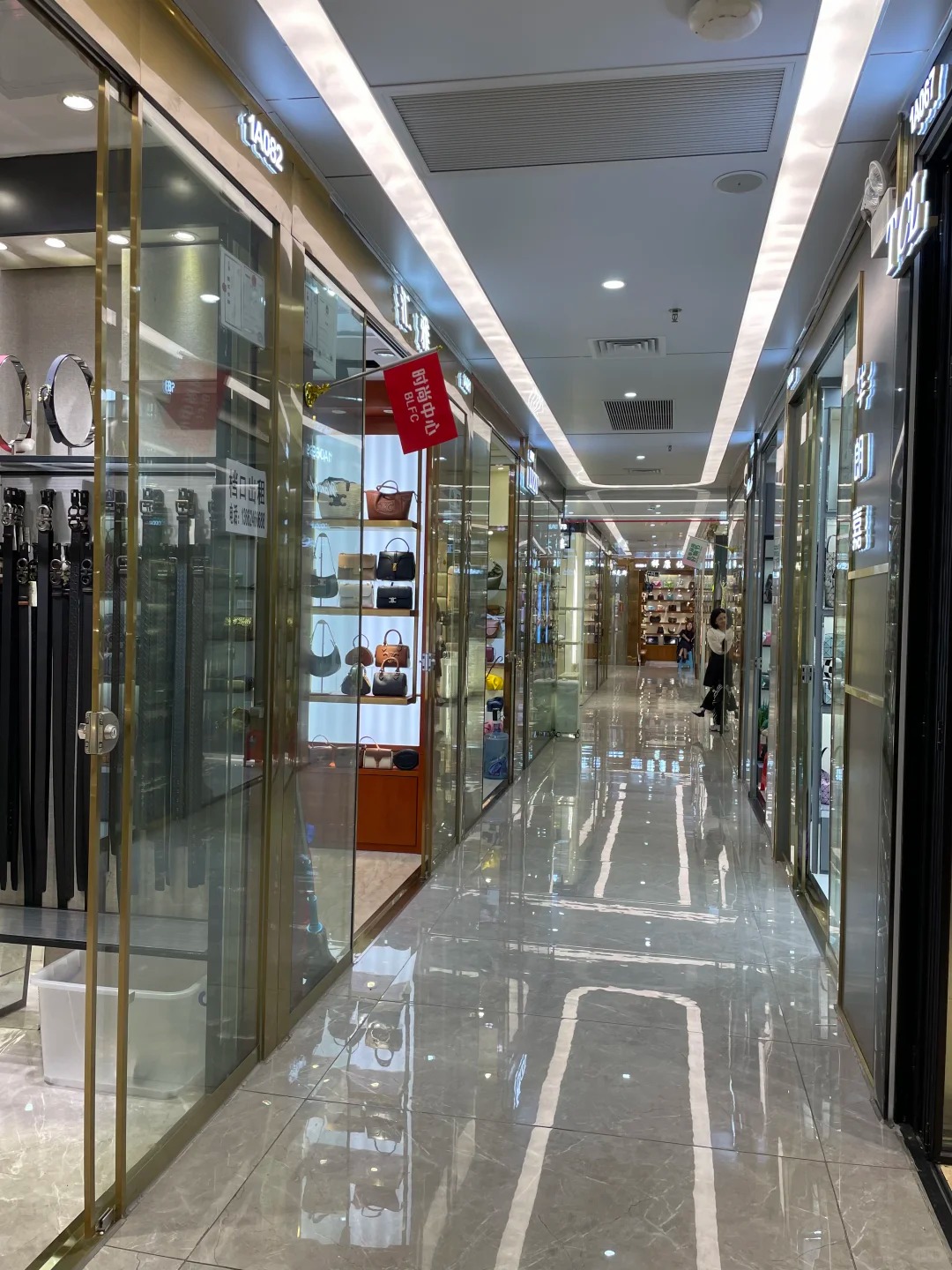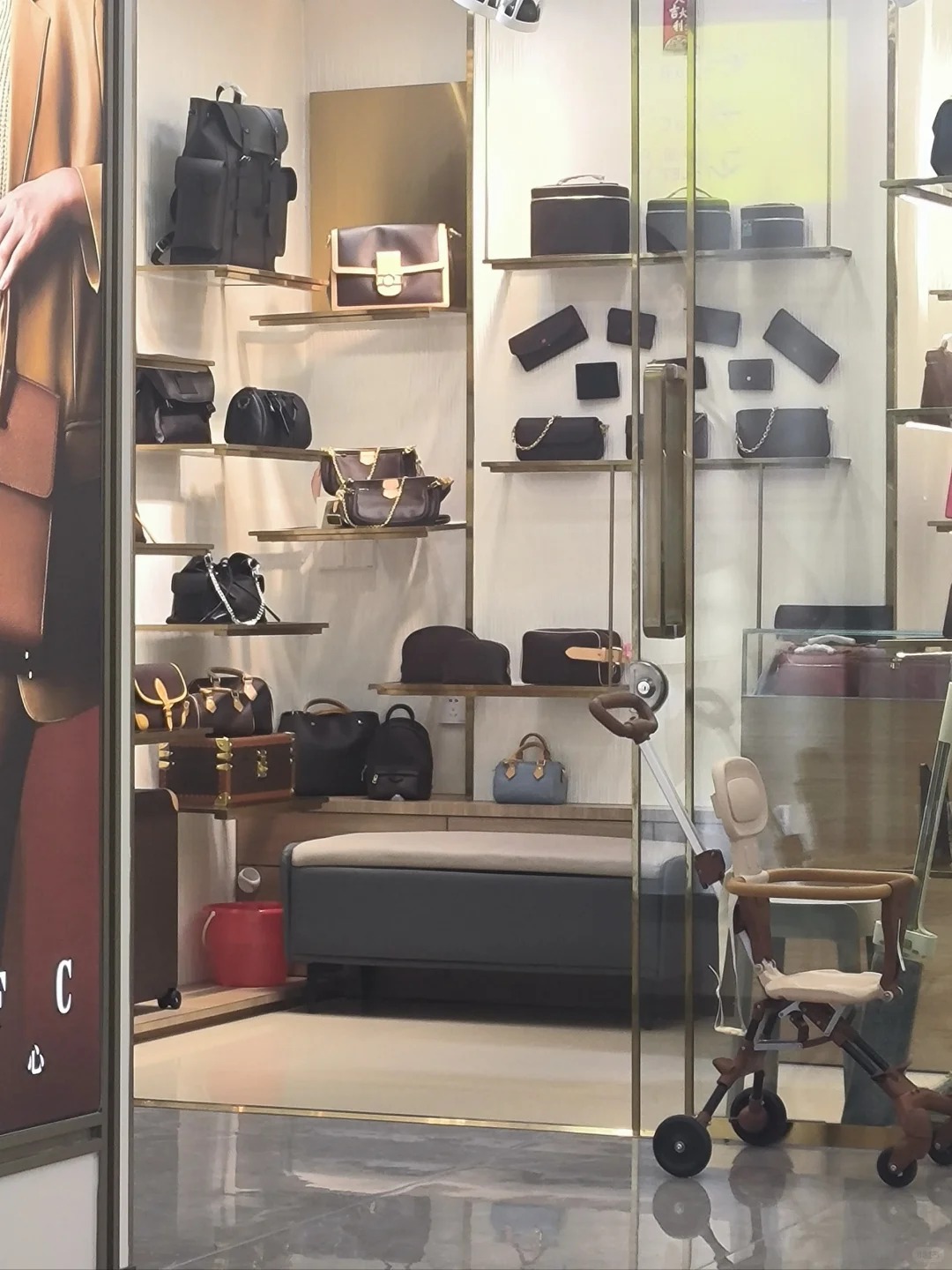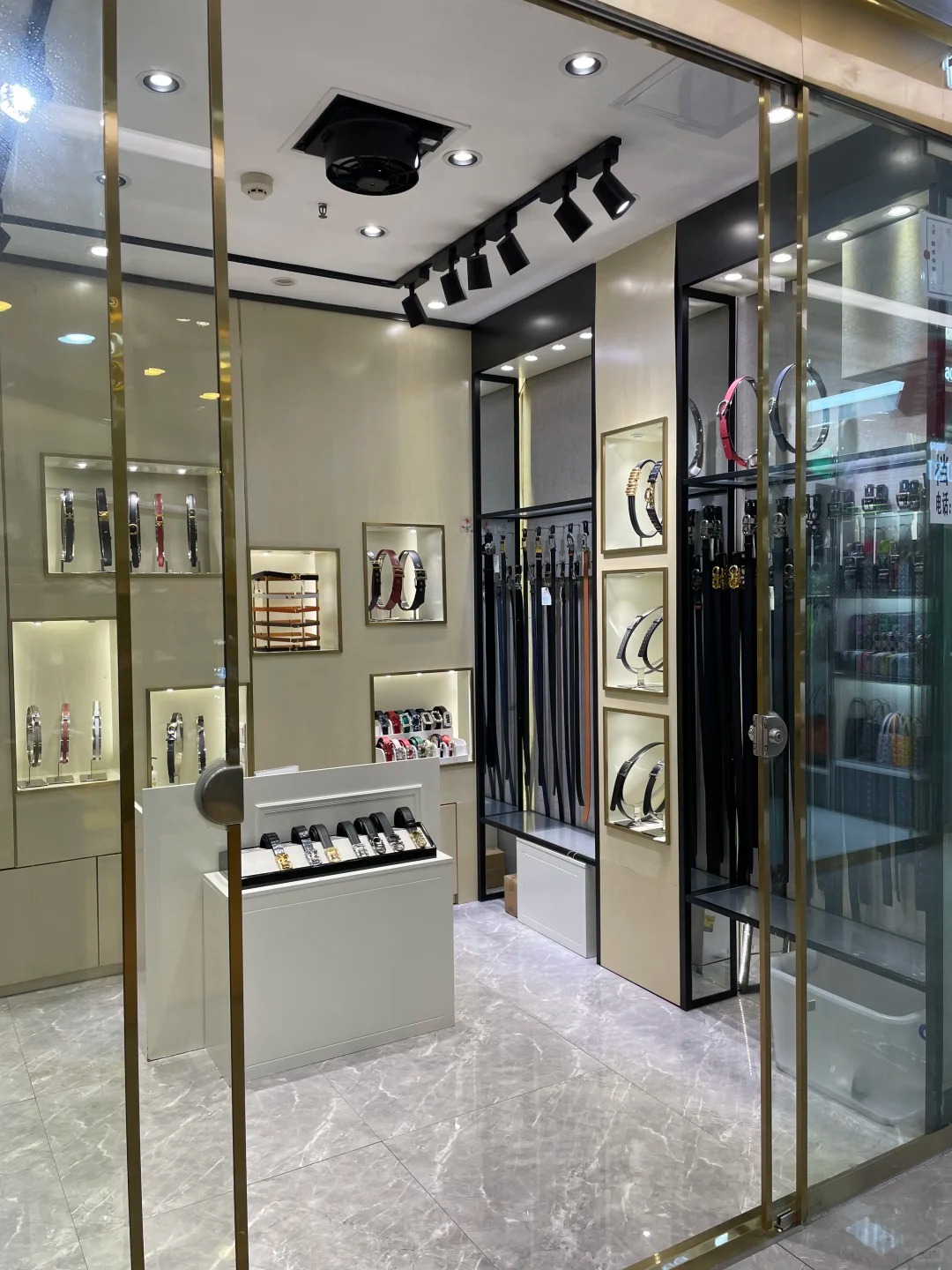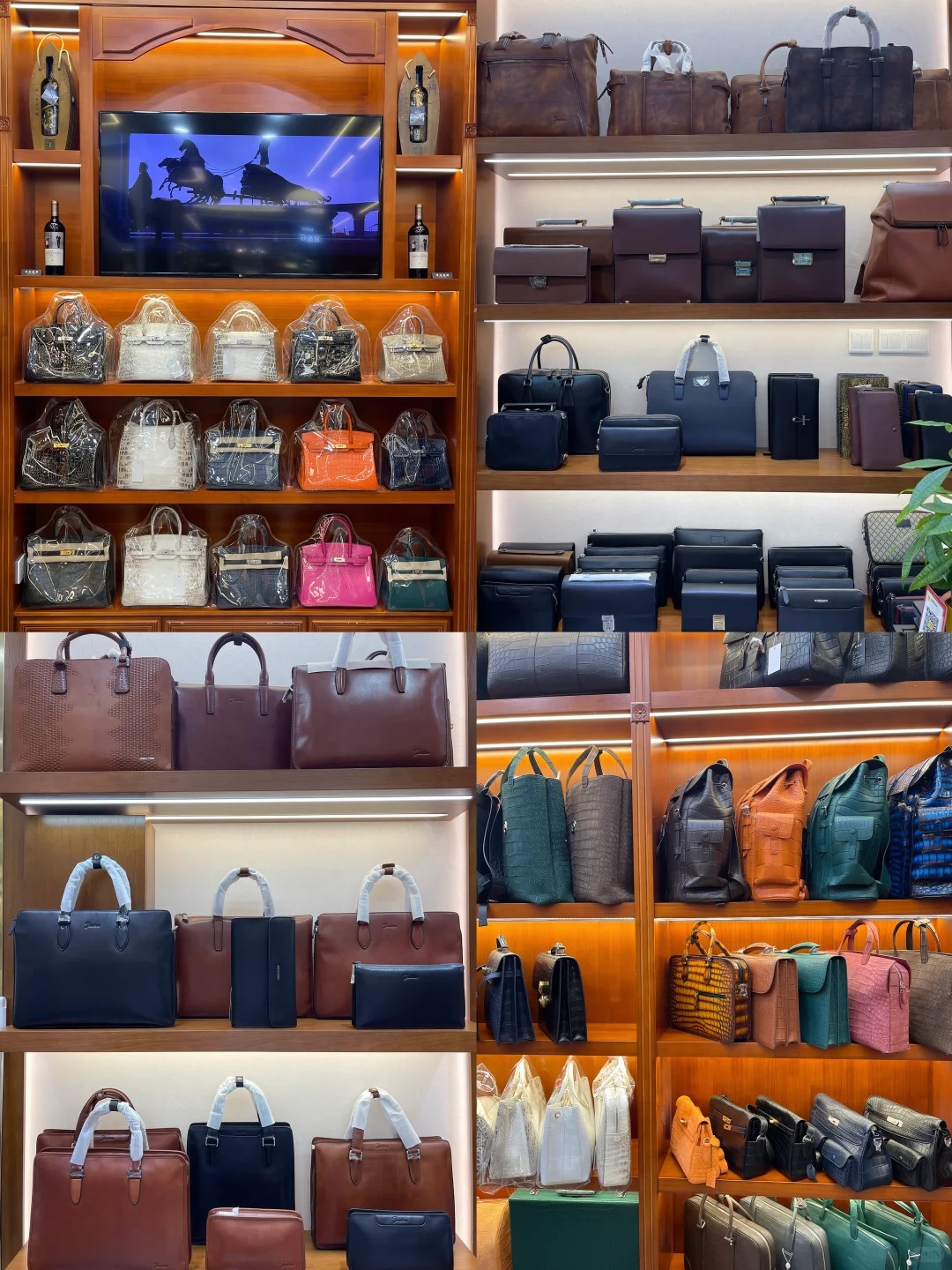

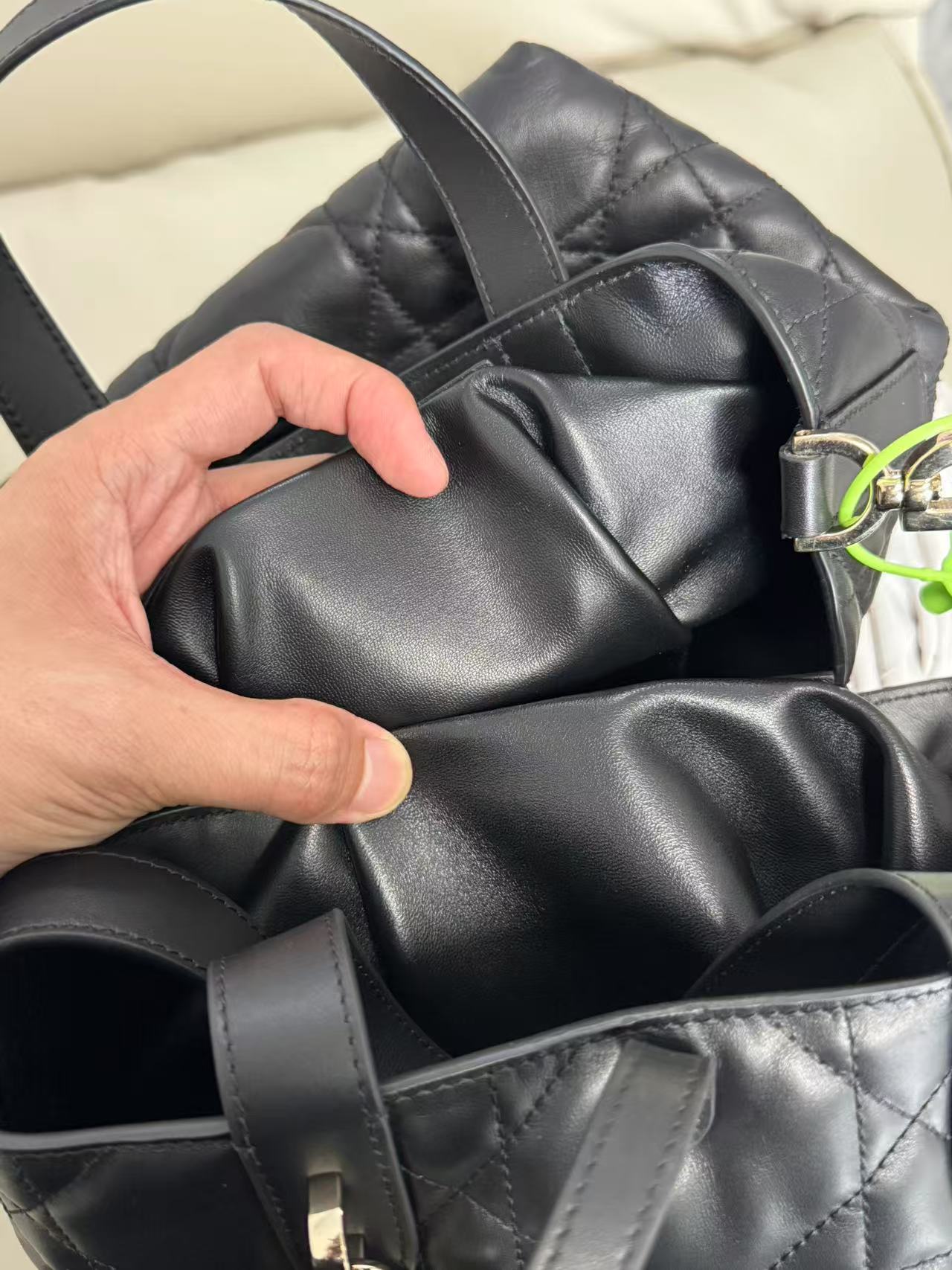
If you’re looking for a grocery tote bags wholesale supplier in China, go straight to the physical wholesale markets in Yiwu or Guangzhou. There, you can inspect fabric and stitching firsthand, negotiate cash prices, and walk away with spot goods—no MOQ headaches. Market stalls offer the best value for standard designs, and sourcing agents like Soudangkou can help you navigate multiple stalls quickly.
Why Choose Wholesale Market Stalls?
Market stalls are the heartbeat of China’s export trade. They stock thousands of ready-to-ship grocery tote bags in all materials—canvas, non-woven, cotton, jute, recycled PET. You can touch the fabrics, check the stitching (look for tight, even seams and reinforced handles), and even negotiate better prices on the spot. For small to medium quantities, this is way cheaper than dealing with factories.
Spot Goods vs. Factory Orders
Spot goods mean immediate shipment. No waiting 30 days. For grocery totes, look for stalls that display “现货” (spot goods) signs. These typically have sizes like 40x38x10 cm, customized with a hot-stamp logo if needed. Factory orders give you custom fabrics and colors but require higher MOQs (1,000+ pcs). For a test run, always grab spot goods first.
How to Assess Quality at the Stall
- Fabric Feel: Canvas should be thick (200-300 gsm) without being stiff. Non-woven polypropylene: 80-100 gsm is standard; ask for 120 gsm if you need durability.
- Stitching: Look at the bag’s seams and handle attachments. Double stitching is a must. If the thread is loose or uneven, walk away.
- Hemp or Cotton: These natural fibers have a rougher texture but are eco-friendly. Check for dye fastness by rubbing a damp cloth on the bag.
- Reinforcements: Quality totes have a thick fabric piece at the bottom or a gusset for load bearing.
Pricing & Negotiation Tips
Prices at market stalls are always negotiable. For a basic 100% cotton tote (380x420mm, 140gsm), expect CNY 4-6 (USD 0.55-0.83) per piece for 500-1,000 pcs. For 200+ quantities, you can get 10-15% off. Bundle items to get a discount—mix standard grocery totes with wine bags or cooler bags. Cash payments (WeChat or Alipay) often get better rates than credit cards.
Common Pitfalls to Avoid
- Hidden MOQ: Some stalls say no MOQ but then push you to buy 1,000 pcs. Clarify “现货” means you can buy as few as 50-100 pcs.
- Material Substitution: They may promise 100% cotton but give a cotton-poly blend. Bring a lighter to test: cotton chars, plastic melts.
- Inconsistent Colors: Compare two bags from the same batch under natural light. Dye lot differences happen.
- Lead Time: Even spot goods need 1-2 days for packing. Confirm shipping details (via sea/air) before paying.
One last tip: If you’re new, consider hiring a sourcing agent (like Soudangkou) who knows the markets and can hold sellers accountable. They’ll save you time and money.
| FAQ | Answer |
| — | —— |
| What’s the minimum order quantity for grocery tote bags at wholesale markets? | Usually 50-100 pcs for spot goods, but factory orders start at 1,000 pcs. |
| Can I get my logo printed on spot goods? | Yes, most stalls offer hot-stamp or screen printing for an extra fee (2-5 days for 500 pcs). |
| What materials are best for grocery tote bags? | Canvas (durable), non-woven polypropylene (cheap), jute (eco-friendly). Choose based on your target market. |
| How do I avoid low-quality stitching? | Inspect the bag’s seams: they should be double-stitched and tight. Ask for a stress test—fill it with books. |
| What’s the typical price range per bag? | $0.40–$1.20 depending on material, size, and quantity. Negotiate down from the quoted price. |
Bottom line: The best grocery tote bags wholesale supplier in China is the one you find in market physically or through a trusted agent. Focus on fabric and stitching, ask for spot goods, and always negotiate. That’s how you win in China.
广州服装档口相关入口
继续查看相关市场和品类入口,方便对比档口微信、货源范围、拿货方向和试单前需要核实的信息。