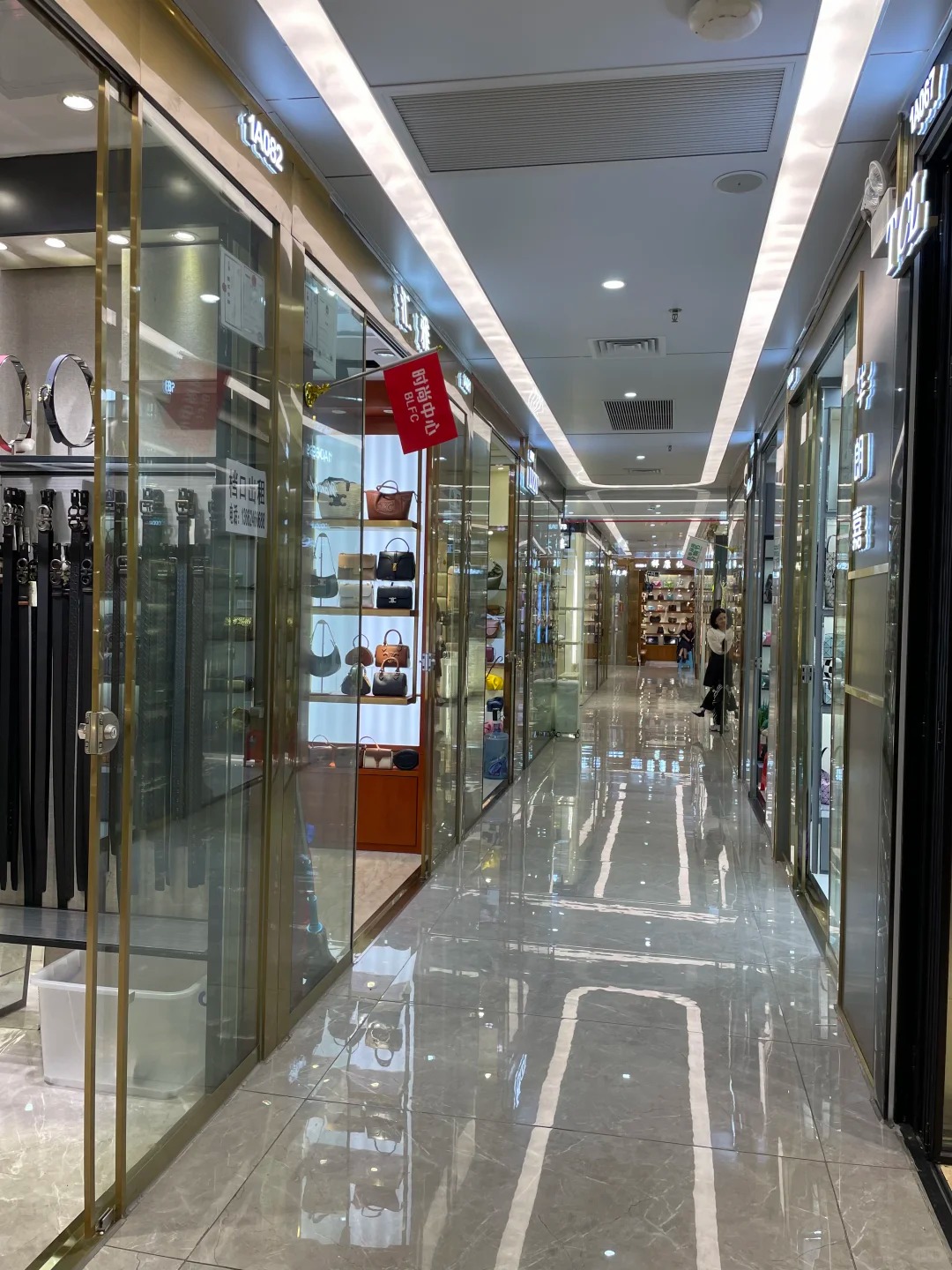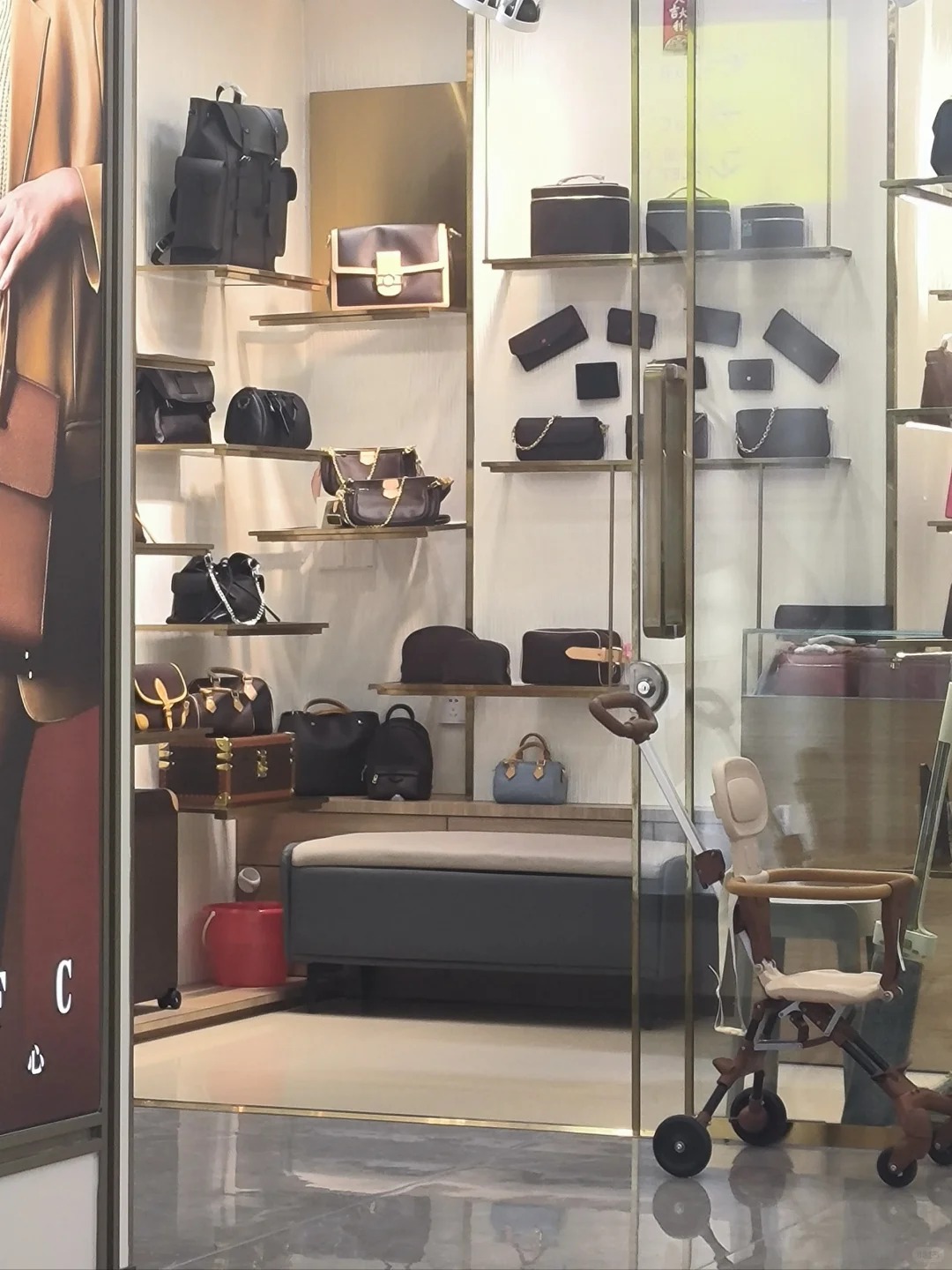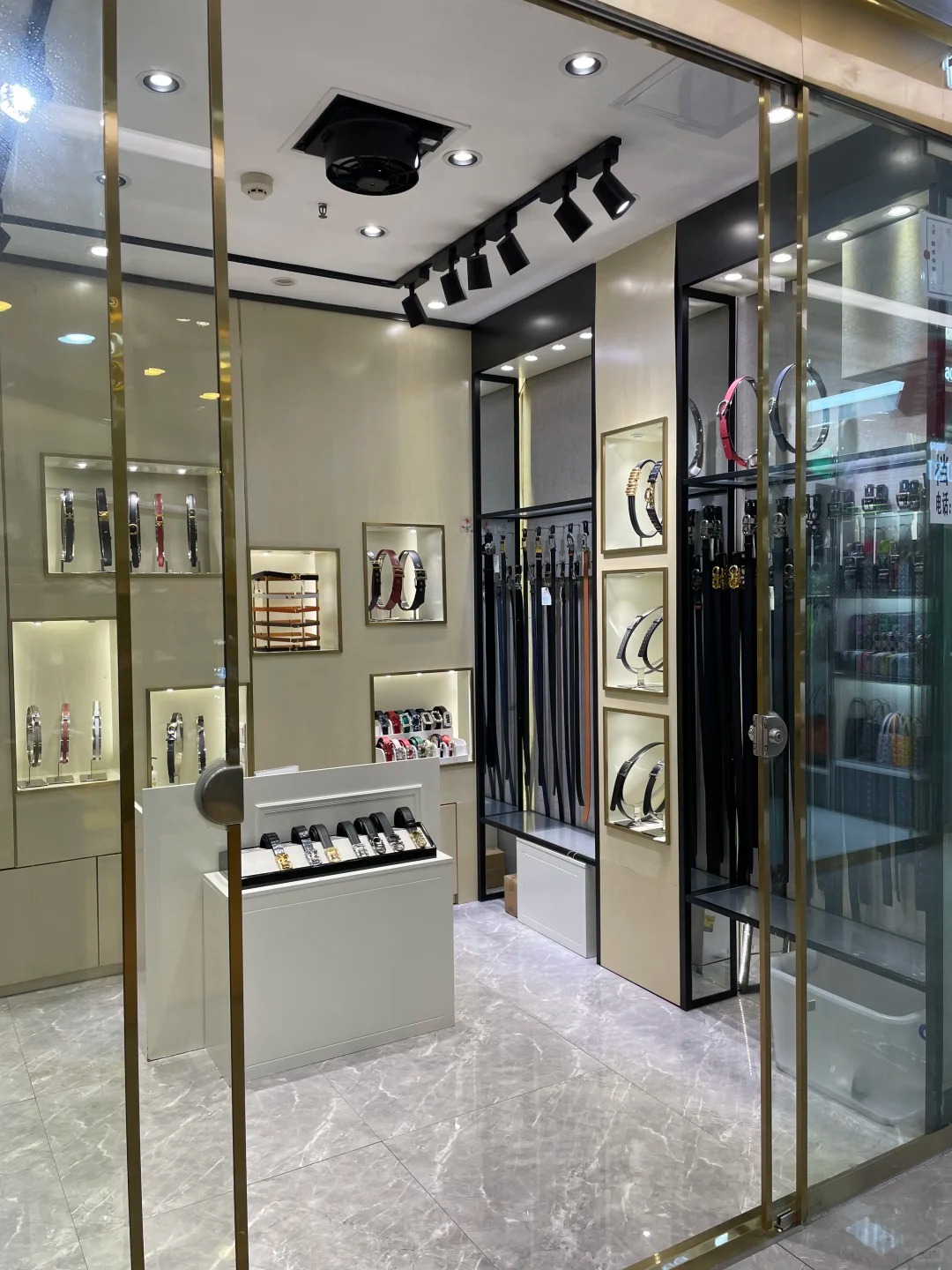

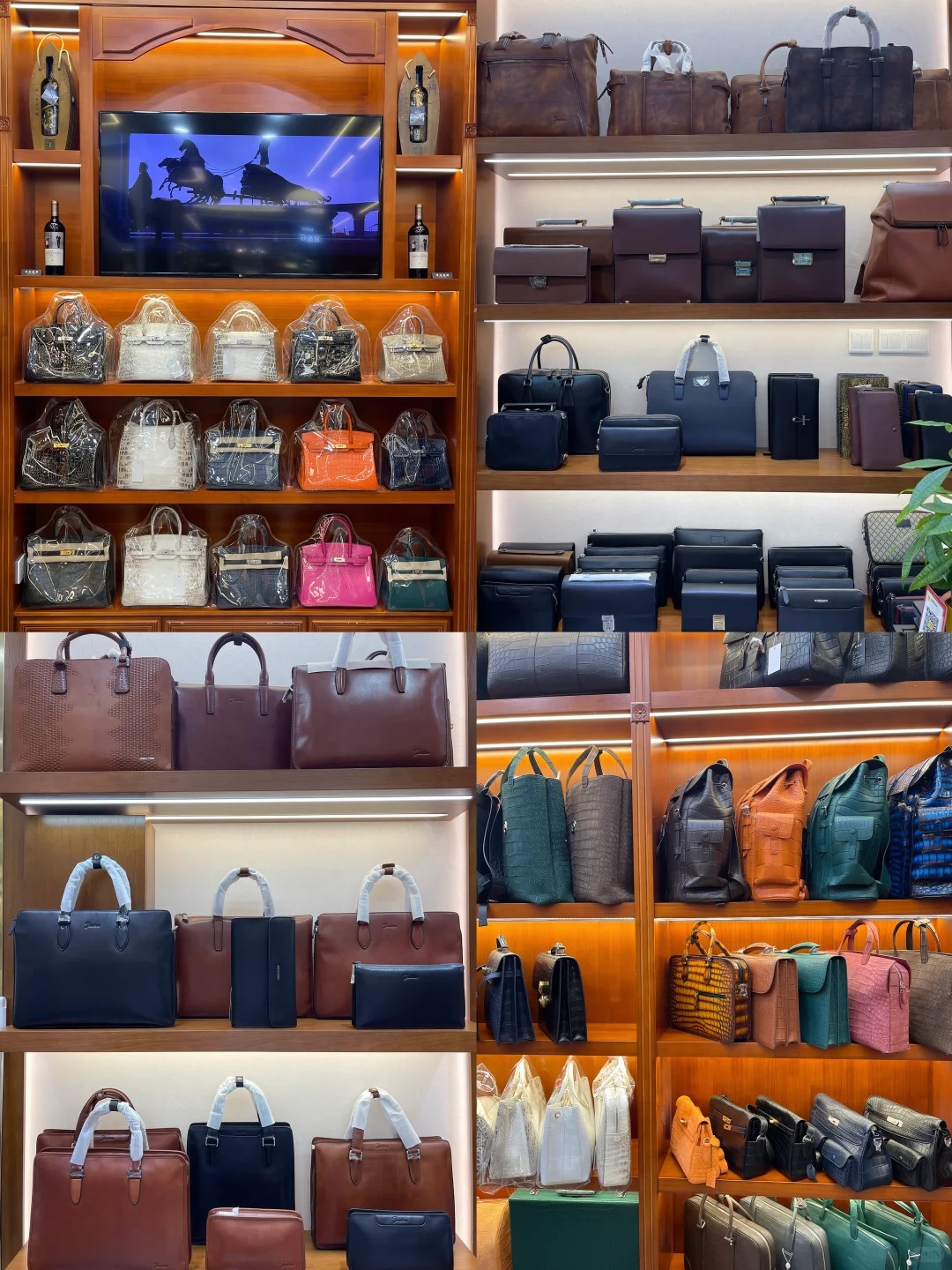
The truth is, completely avoiding products made in China is nearly impossible in global wholesale trade. However, at Soudangkou, we help you spot differences in quality and origin through hands-on inspection. Focus on three things: fabric texture, stitching precision, and supplier transparency.
How to Spot Non-Chinese Manufacturing
1. Check the Label and Stitching
Genuine non-Chinese goods often have more consistent stitching – look for tight, even seams and reinforced stress points. Chinese mass-produced items may have loose threads or uneven stitch length. At your local wholesale stall, ask to see multiple units from the same batch.
2. Feel the Fabric
Natural fibers like Egyptian cotton or Italian wool feel different from standard Chinese blends. Run your hand across the surface – real quality has a distinct hand feel. Many Western brands source from Chinese mills but use premium materials; Soudangkou connects you with factories that offer both options.
3. Examine the Hardware
Zippers, buttons, and snaps reveal origin. High-end Italian or Japanese zippers (e.g., YKK) are common in non-Chinese products. Chinese items may use unbranded or cheaper alternatives. Always test the action of zippers.
4. Ask About Production Processes
Suppliers at wholesale markets often share details if pressed. Ask: “Where are the raw materials sourced?” or “Is this made in a Chinese-owned factory?” Honest vendors will tell you – especially if they specialize in imported fabrics or overseas assembly.
FAQs on Avoiding Chinese-Made Products
| Question | Answer |
|---|---|
| Can I trust “Made in Italy” labels? | Not always – many are finished in China. Check for Italian fabric content and ask for the factory location. |
| Are there specific countries with better quality? | Vietnam, Bangladesh, and Portugal have rising reputations for certain goods. Inspection is still key. |
| Do Chinese factories produce premium brands? | Yes – many luxury brands manufacture in China. The difference is quality control, not location. |
| How can I verify origin without traveling? | Use video calls for live inspections, request certificates of origin, and check customs paperwork. |
5. Price as a Signal
If something is priced too low to be genuine imported goods, it probably is Chinese-made. But don’t overpay – some Chinese factories produce exceptional quality at lower prices. At Soudangkou we help you compare stall to stall.
6. Demand Samples Before Bulk Orders
Never commit without a physical sample. Feel the weight, wash it if possible, and inspect after use. A good wholesale stall will provide samples (you may pay a small fee).
Ultimately, avoiding Chinese products is less about geography and more about due diligence. Use these tips, trust your hands, and partner with platforms like ours to find the genuine article.
广州服装档口相关入口
继续查看相关市场和品类入口,方便对比档口微信、货源范围、拿货方向和试单前需要核实的信息。