
How to Buy a Container from China: A Step-by-Step Guide from Wholesale Market Experts
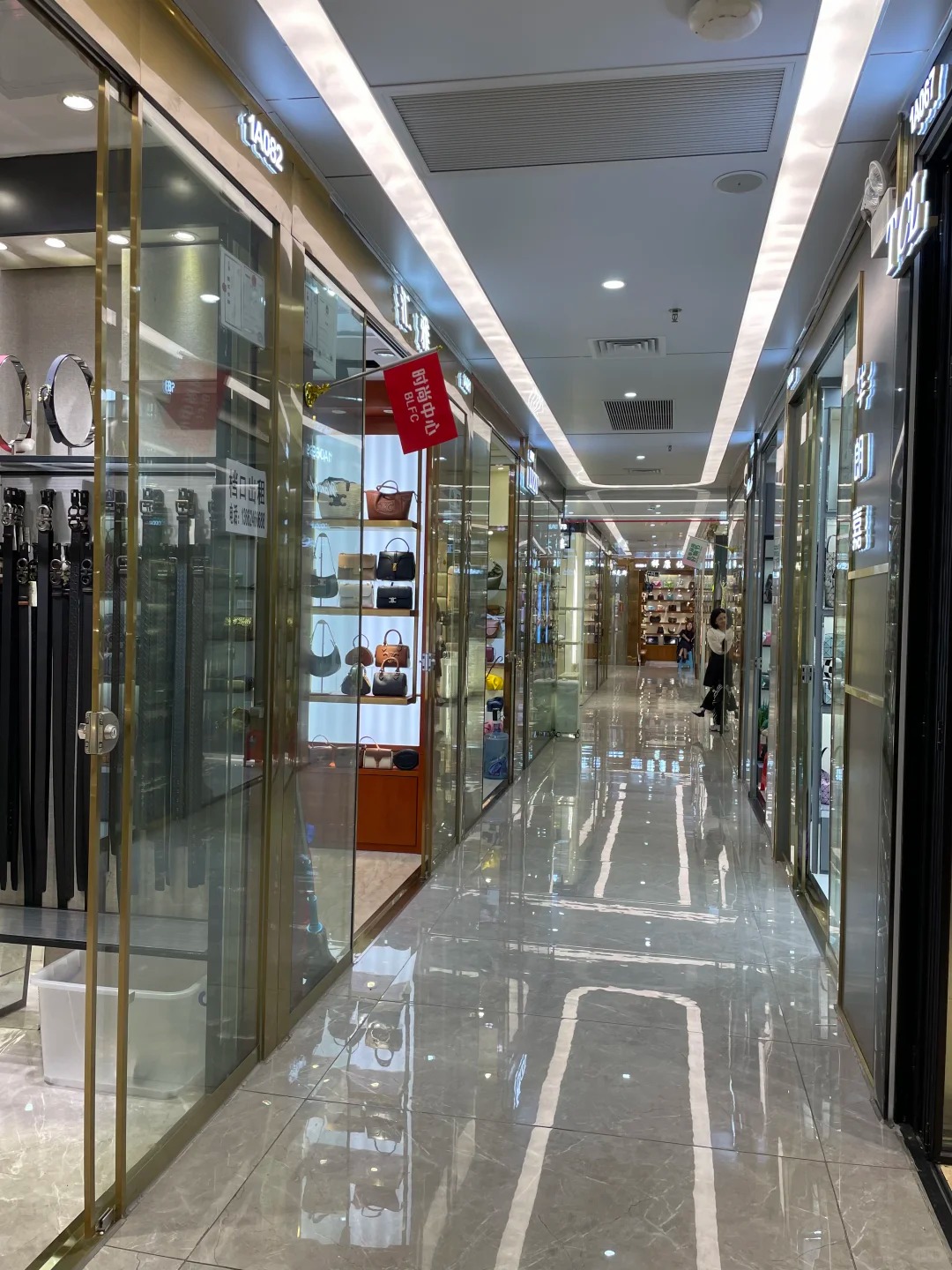
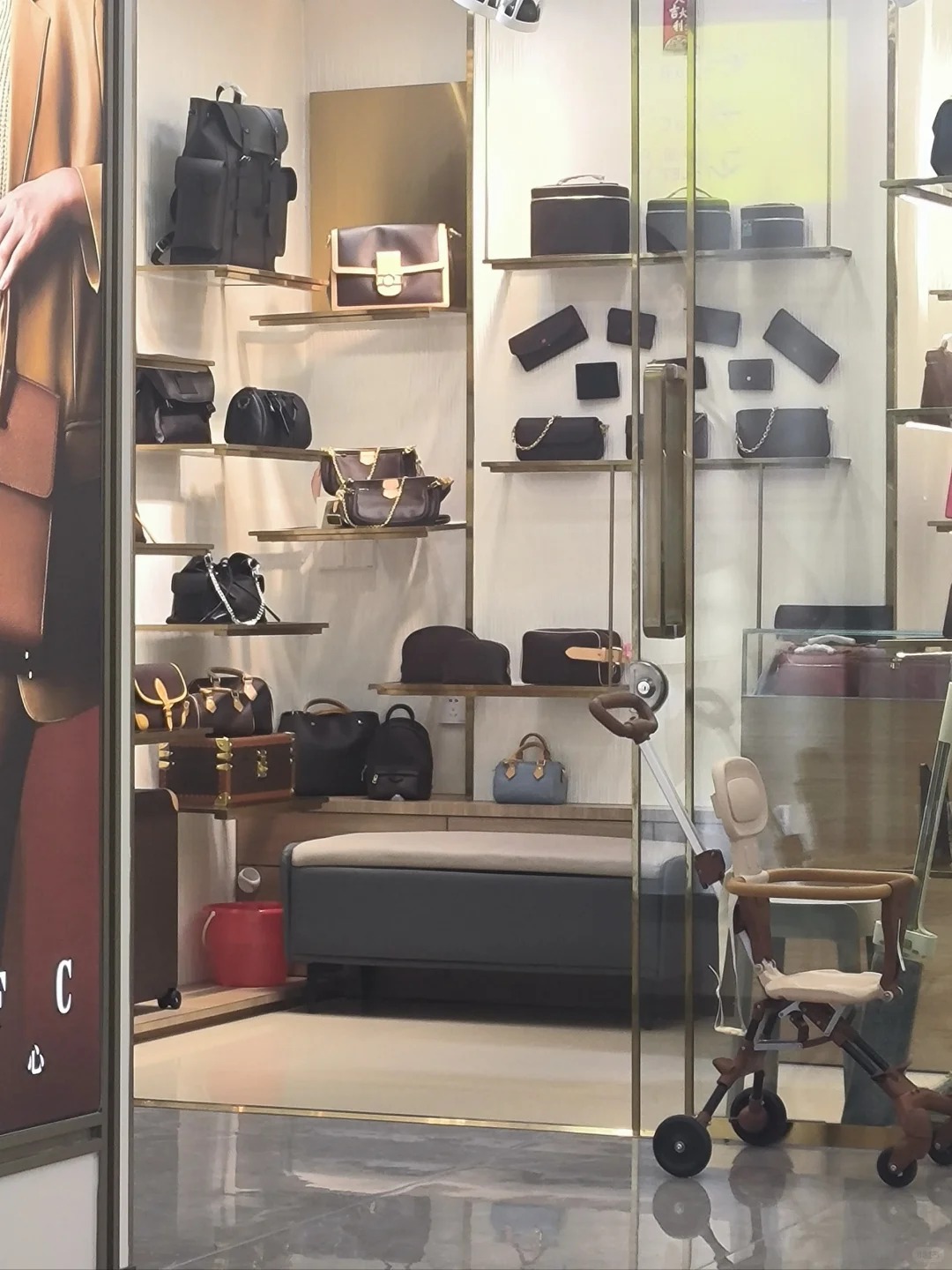
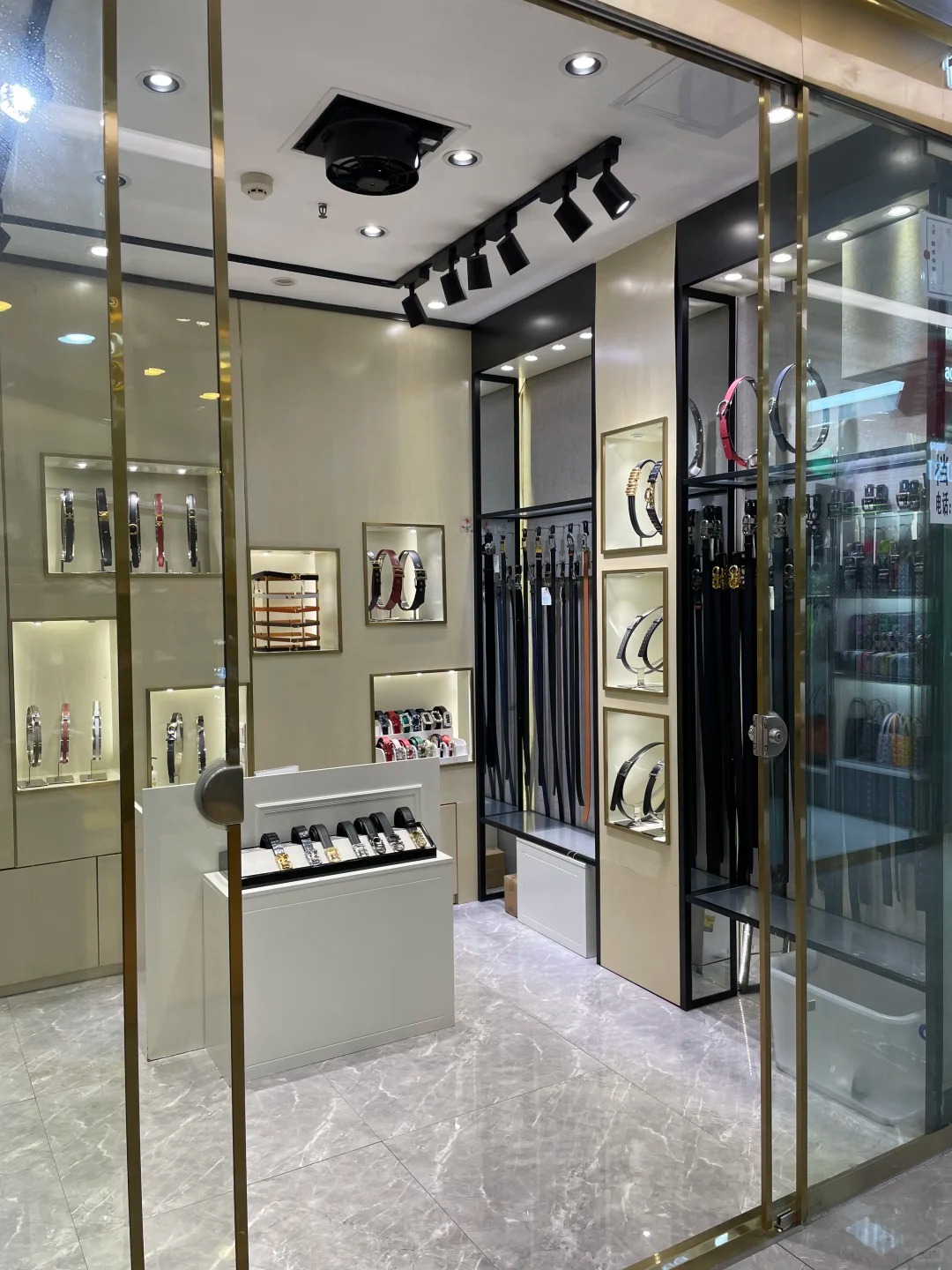
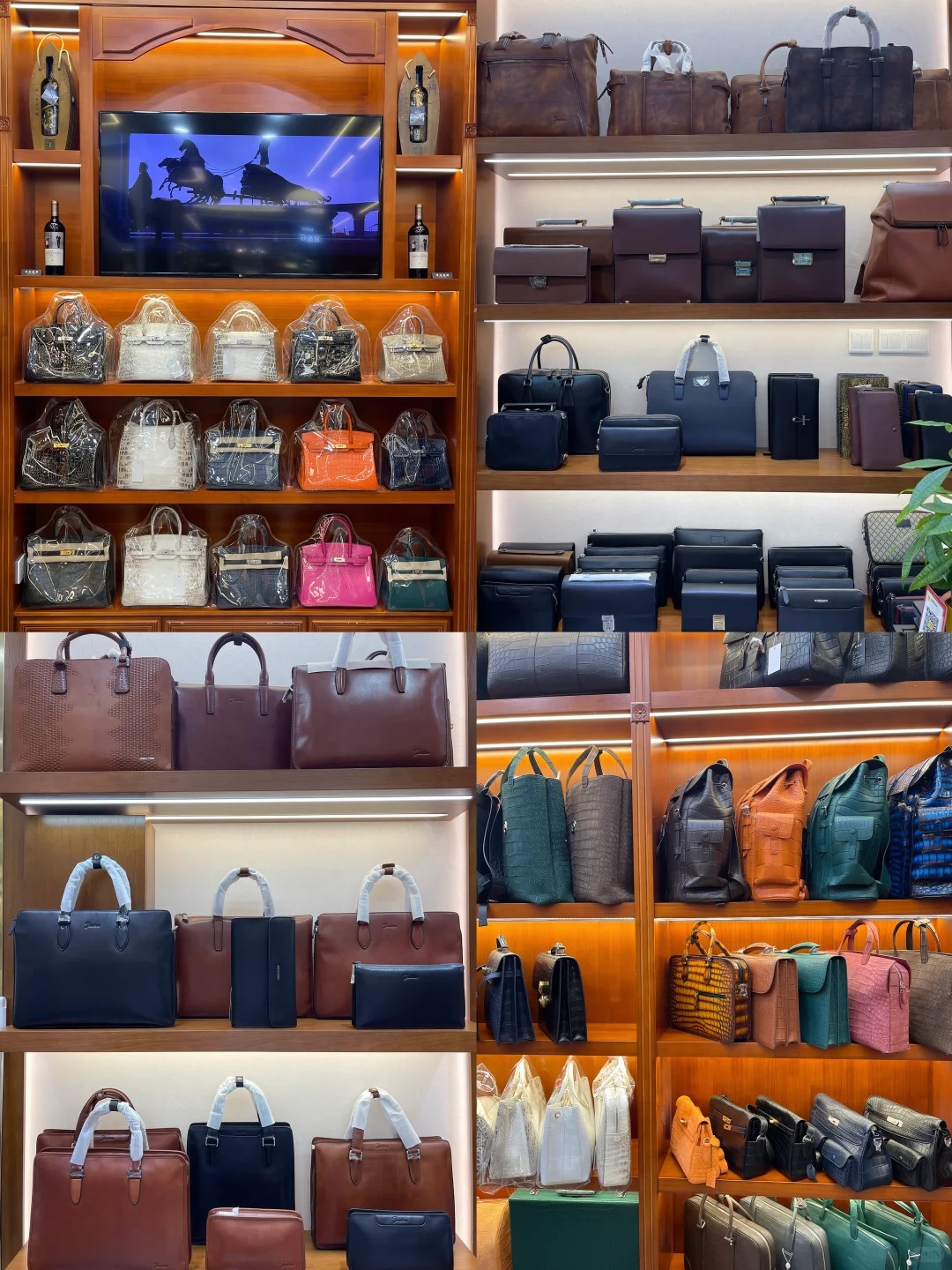
The quickest way to buy a container from China is to visit a wholesale market (like Yiwu or Guangzhou) and negotiate directly with stall owners for first-hand spot goods. This approach cuts out middlemen and gives you instant access to inventory. But before you book that flight, here’s what you need to know.
Step 1: Choose Your Market
China has dozens of wholesale markets. For general merchandise, Yiwu International Trade City is the biggest. For textiles, go to Keqiao (Shaoxing). For electronics, Huaqiangbei in Shenzhen. Each market has thousands of stalls, many run by actual manufacturers. The trick is to look for stalls with high turnover—signs that they produce their own goods and can fill a container quickly.
Step 2: Mastering the First-Hand Spot Goods Game
Stall owners often keep a portion of stock on-site. Ask directly: “Do you have spot goods ready for container loading?” If yes, you can inspect the fabric and stitching right there. Run your fingers over the fabric—feel for a consistent texture. Check the stitching: should be tight, even, and with a minimum 12 stitches per inch (SPI). A good stall owner will let you rip open a sample to inspect the construction. If they hesitate, walk away.
Step 3: Negotiating Like a Pro
Prices for container loads are lower than piecemeal. Start by asking for the “container price” (集装箱价格). Stall owners expect this. Then negotiate not just on price, but on packaging and loading terms. For example, ask them to include palletizing and wrapping at no extra cost. Use a calculator to show you know your math. Keep your tone firm but respectful—they respect a serious buyer.
FAQ: Container Buying from China
| Question | Answer |
|---|---|
| How many items fit in a 20-foot container? | Depends on product density. For small electronics, about 5,000 units. For bulky clothing, perhaps 1,500 units. Always ask the manufacturer for a loading plan. |
| Do I need a minimum order quantity (MOQ)? | For container loads, MOQ is effectively a full container. Some stall owners split containers with other buyers, but that cuts your flexibility. |
| What payment methods are safe? | Use a letter of credit (L/C) or 30% deposit with bank transfer. Never pay 100% upfront. Soudangkou recommends using escrow services if available. |
| How to check fabric quality? | Feel for softness without pilling. Look at the fabric grain—should be uniform. For cotton, check thread count (higher is better). |
| What if the goods are defective? | Before shipping, hire a third-party inspector (e.g., Bureau Veritas) at the market to check random samples. This costs a few hundred dollars but saves headaches. |
| How long from order to shipping? | For spot goods, 7-14 days. For production, 30-45 days. Negotiate a penalty clause for delays. |
| Can I visit the factory? | Yes, but many stall owners are the factory owners. Ask for their factory address and schedule a visit. If they refuse, consider it a red flag. |
Understanding Fabric and Stitching: What to Look For
When buying textiles, fabric is everything. Hold a sample up to the light—see if it’s consistent. Rub it hard to check for fraying. For stitching, pull a seam apart. If it unravels easily, it’s poor quality. Good stitching has backstitching at the start and end. Compare three different stalls in the same market to understand the range. Remember, Soudangkou connects you with vetted stall owners who prioritize quality.
Logistics and Customs: Don’t Get Stuck
You are responsible for shipping and customs. A freight forwarder can handle everything from the factory gate. Common Incoterms: FOB (Free on Board) means seller loads on ship; CIF (Cost, Insurance, Freight) means seller pays shipping and insurance. For first-timers, use CIF to simplify. Insist on a bill of lading before final payment. And file your customs paperwork early—China exports require an EORI number if you’re in the EU.
Buying a container from China doesn’t have to be intimidating. Focus on building relationships with reliable stall owners, inspect quality thoroughly, and manage your logistics step by step. The wholesale market floor is where deals are made. Walk in prepared, and you’ll walk out with a profitable container.
广州服装档口相关入口
继续查看相关市场和品类入口,方便对比档口微信、货源范围、拿货方向和试单前需要核实的信息。