
How to Buy and Import Furniture from China: A Wholesale Market Insider’s Guide
If you want to import furniture from China profitably, the key is to buy from wholesale market stalls that offer ready stock, inspect fabric texture and stitching quality on-site, and negotiate for the best price. Skip the middlemen and go directly to established markets like Lecong and Houjie.
1. Why Wholesale Market Stalls Are Your Best Bet
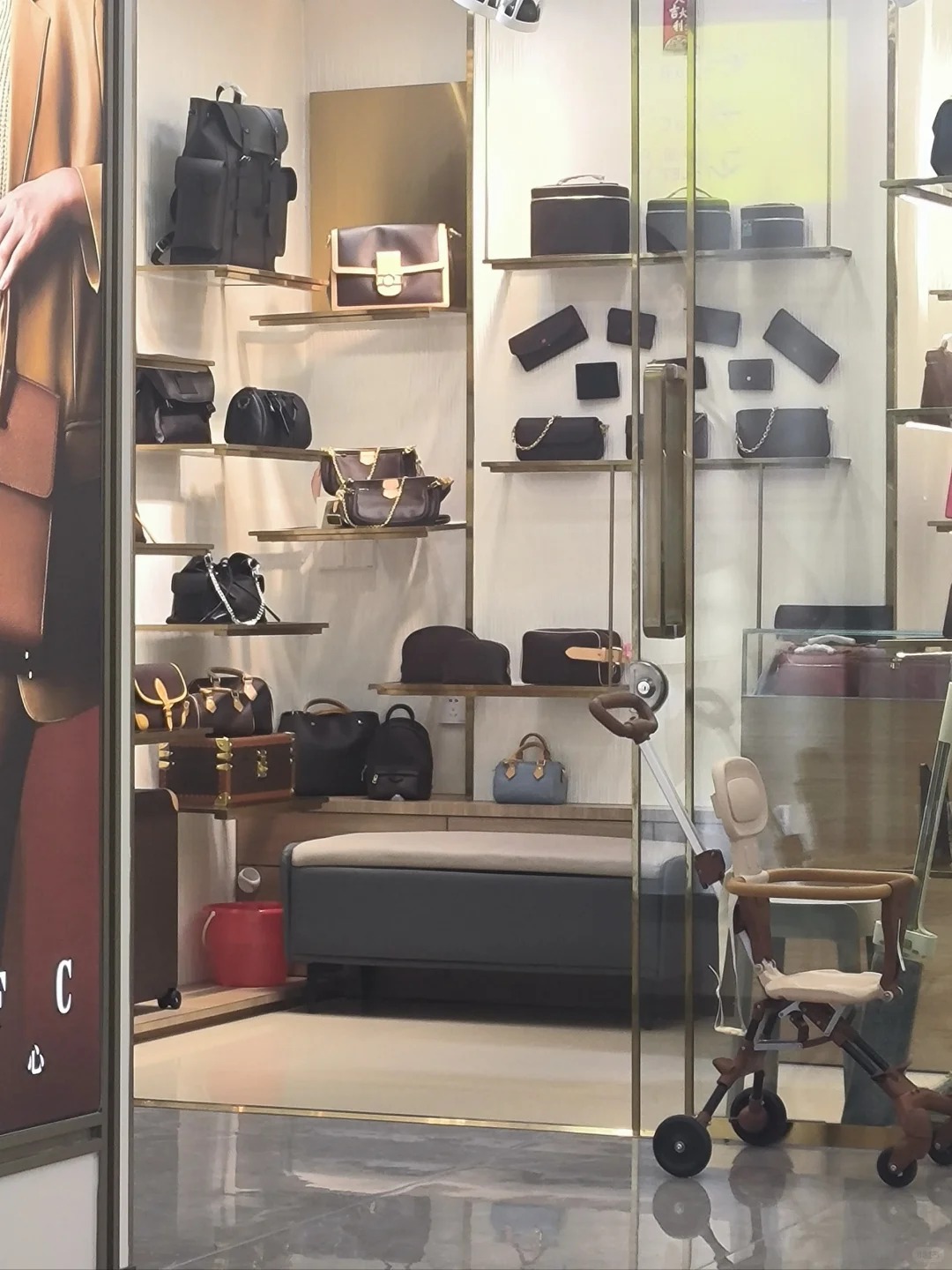
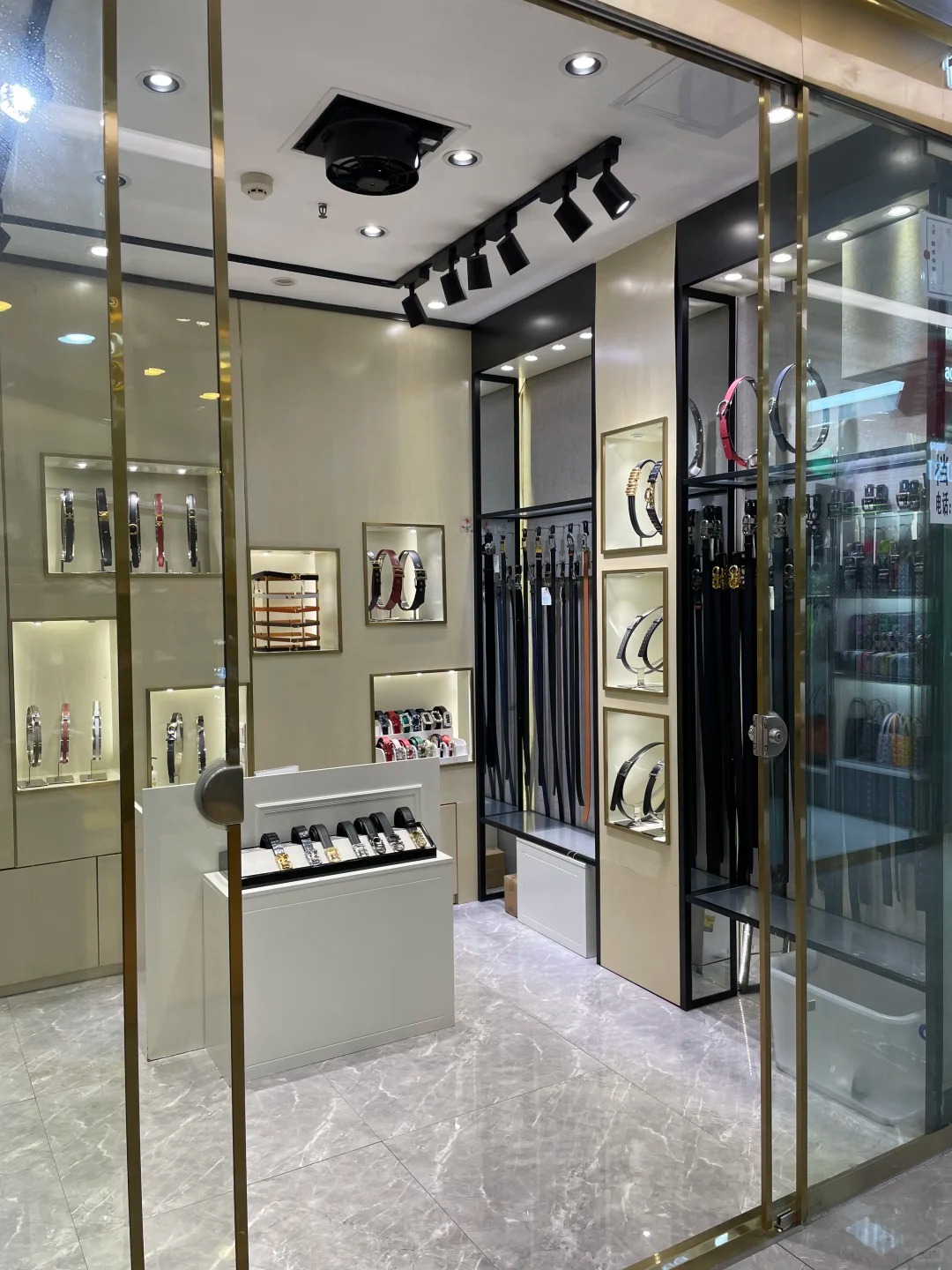
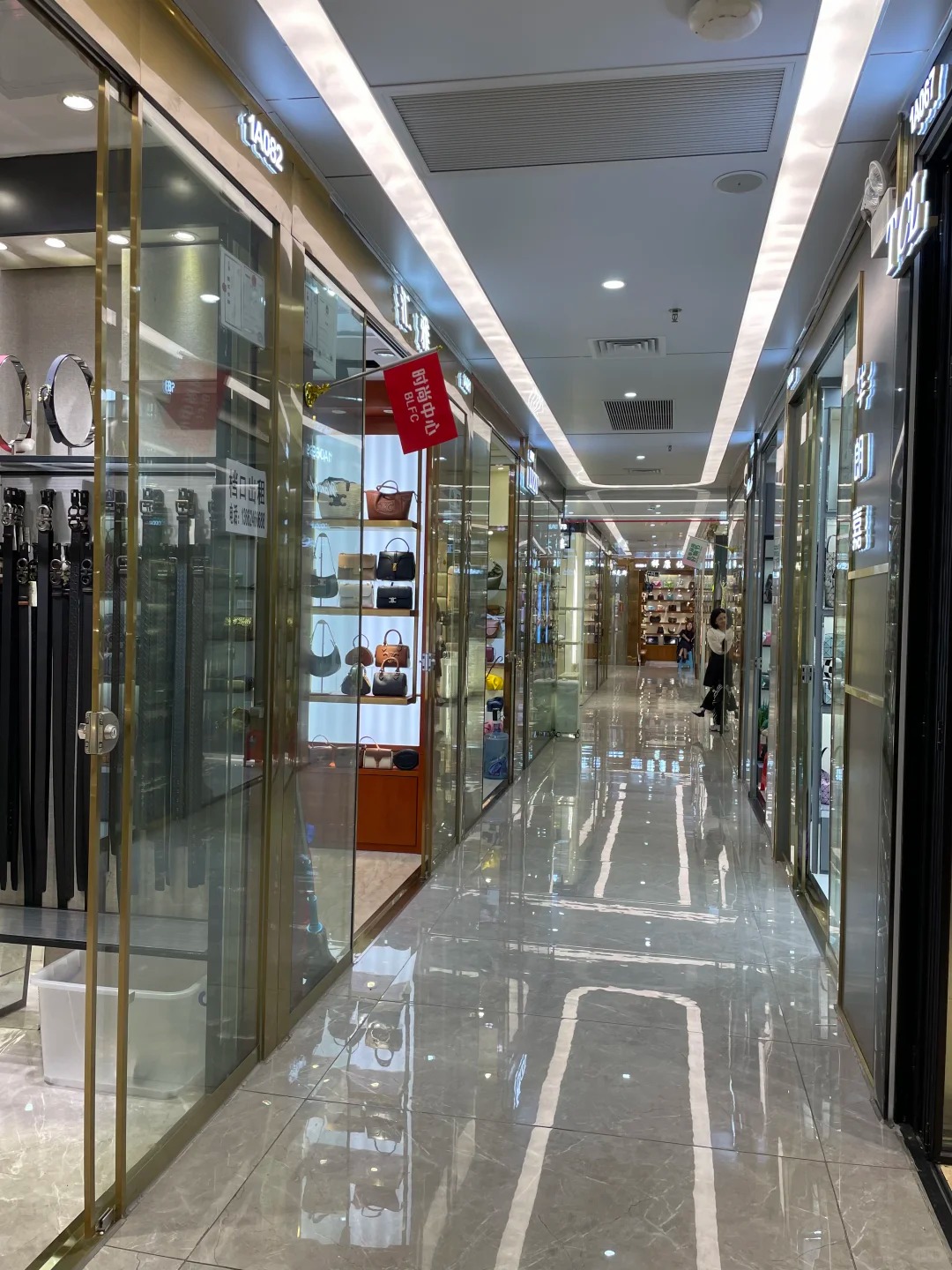
China’s wholesale furniture markets, such as Lecong in Foshan and Houjie in Dongguan, are the world’s largest hubs. Thousands of stalls display finished products, and many keep ready stock for immediate shipment. Unlike factories that require MOQs of 50–200 pieces, stalls allow you to buy as little as 10 units per model. This is ideal for testing new designs or handling urgent orders.
2. How to Evaluate Fabric Texture and Stitching
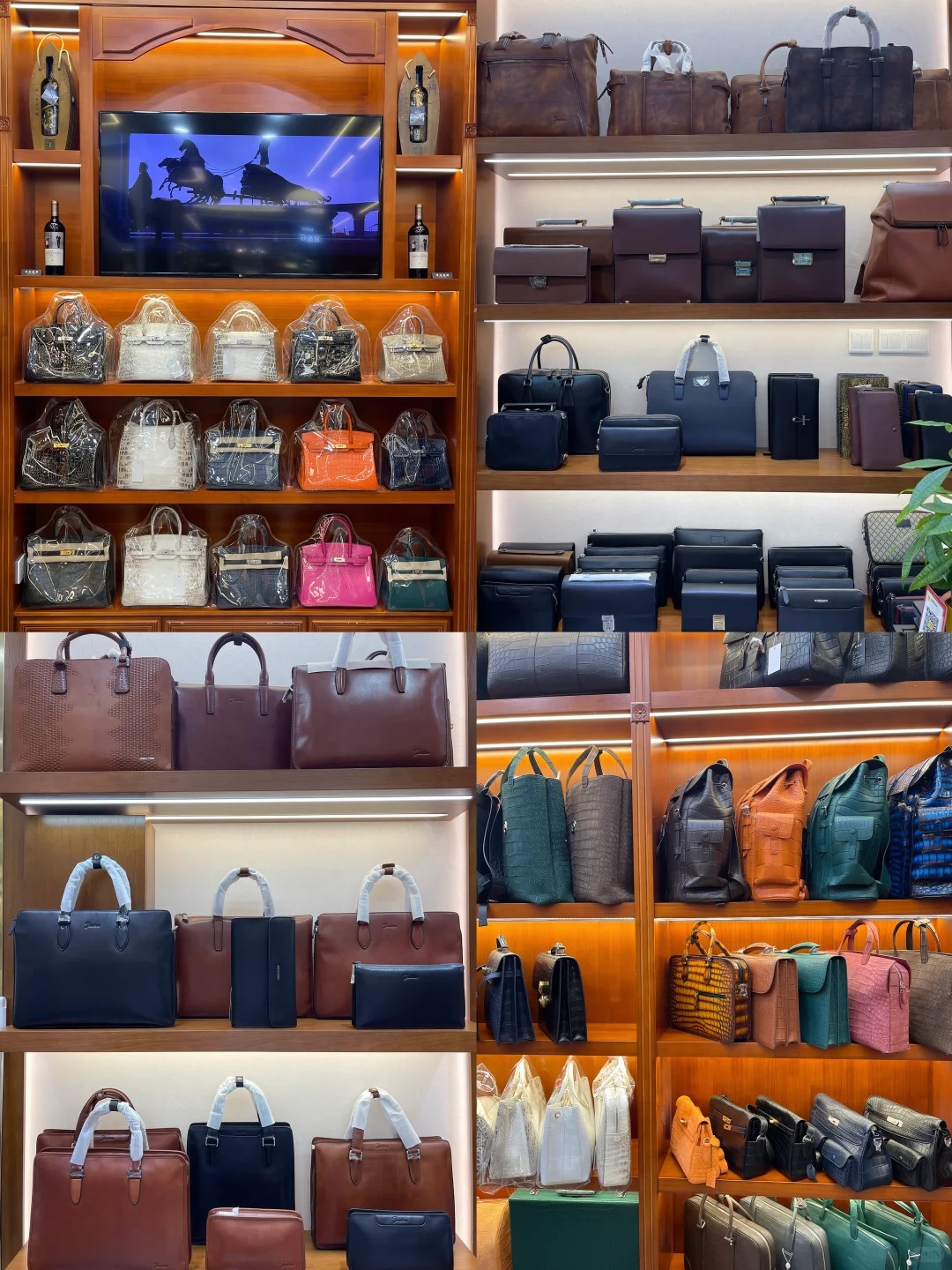
When visiting stalls, focus on three things: fabric feel, seam alignment, and thread tension. Use your hand to rub the fabric against the grain; premium upholstery feels smooth with minimal pilling. Check stitching by pulling the fabric gently at the seams—if threads are loose or uneven, reject the piece. For leather sofas, look for consistent grain patterns and a slight give when pressed. Many stalls offer fabric swatches; take them with you for future reference.
3. Tips for Getting the Best Price on Spot
Stall owners expect negotiation. Start by asking for the “wholesale price per piece” for mixed orders (e.g., 10 sofas, 5 armchairs). Offer 30% below their first quote, then settle at 15–20% discount. Pay in cash or use Alipay for an extra 2–3% off. Also, ask about “floor models”—slightly used display items that can be 40% cheaper but in perfect condition.
4. Quality Checks: What to Inspect Before Paying
Bring a flashlight and small ruler. Check:
- Frame: Knock on the wood; solid hardwood produces a dull thud, while plywood sounds hollow.
- Springs: Sit and bounce; good springs return instantly without squeaking.
- Zippers and Cushions: Open cushion covers to inspect foam density. High-resilience foam springs back within 2 seconds.
- Legs: Detachable legs should have metal brackets, not plastic ones that break easily.
5. Shipping and Documentation
Once you’ve purchased, arrange a freight forwarder to consolidate your goods. Most stalls can deliver to a nearby warehouse for a small fee. Ensure you get a commercial invoice and packing list with HS codes. For LCL (less than container load) shipping, expect 3–4 weeks transit to the U.S. or Europe. Insurance is recommended, costing 1–2% of cargo value.
FAQ: Common Questions About Buying Furniture from China
| Question | Answer |
|---|---|
| Can I buy furniture without visiting China? | Yes, use platforms like Alibaba or video calls with market agents. But first-time buyers should visit to inspect quality and build relationships. |
| What is the typical MOQ at wholesale stalls? | MOQ is low: often 10 units per design, or even 5 for high-end pieces. |
| How do I avoid counterfeit products? | Focus on stalls that display their own brand or certifications. For designer replicas, avoid; instead, ask for “original design” lines. |
| Is it safe to pay by wire transfer? | Prefer T/T with 30% deposit, 70% against copy of B/L. For large sums, use a letter of credit. |
| How long does shipping take? | LCL to US West Coast: 18–25 days. To Europe: 25–35 days. |
| Can I get samples before bulk order? | Yes, request a sample piece (pay for shipping). Most stalls deduct sample cost from bulk order. |
| What are the hidden costs? | Loading fees, warehouse storage, fumigation (for wood), and customs clearance. Budget 10–15% extra. |
For a streamlined sourcing experience, platforms like Soudangkou connect you with vetted wholesale market stalls. With Soudangkou, you can preview stall inventories, request video inspections, and secure ready stock without leaving your office.
广州服装档口相关入口
继续查看相关市场和品类入口,方便对比档口微信、货源范围、拿货方向和试单前需要核实的信息。