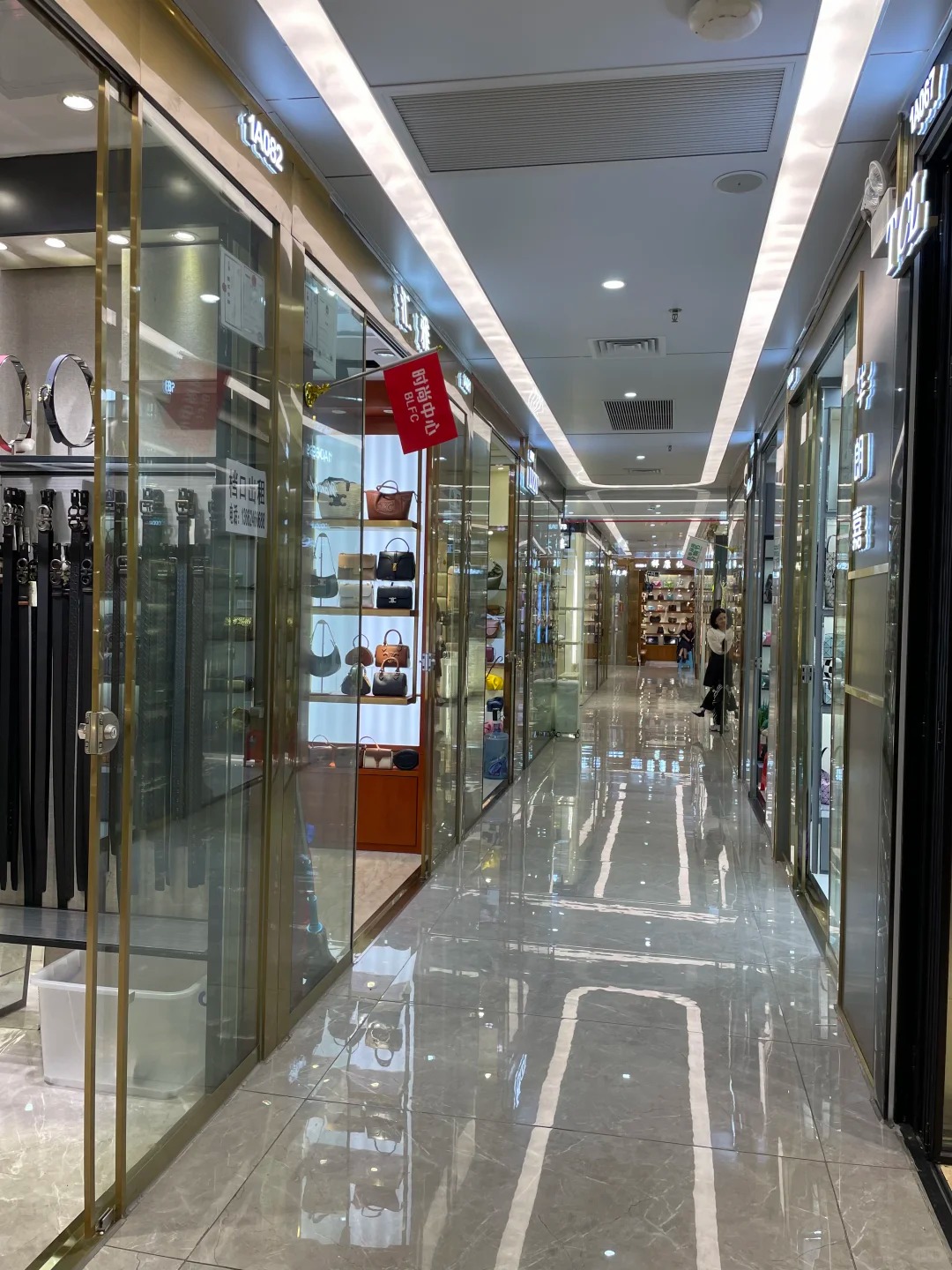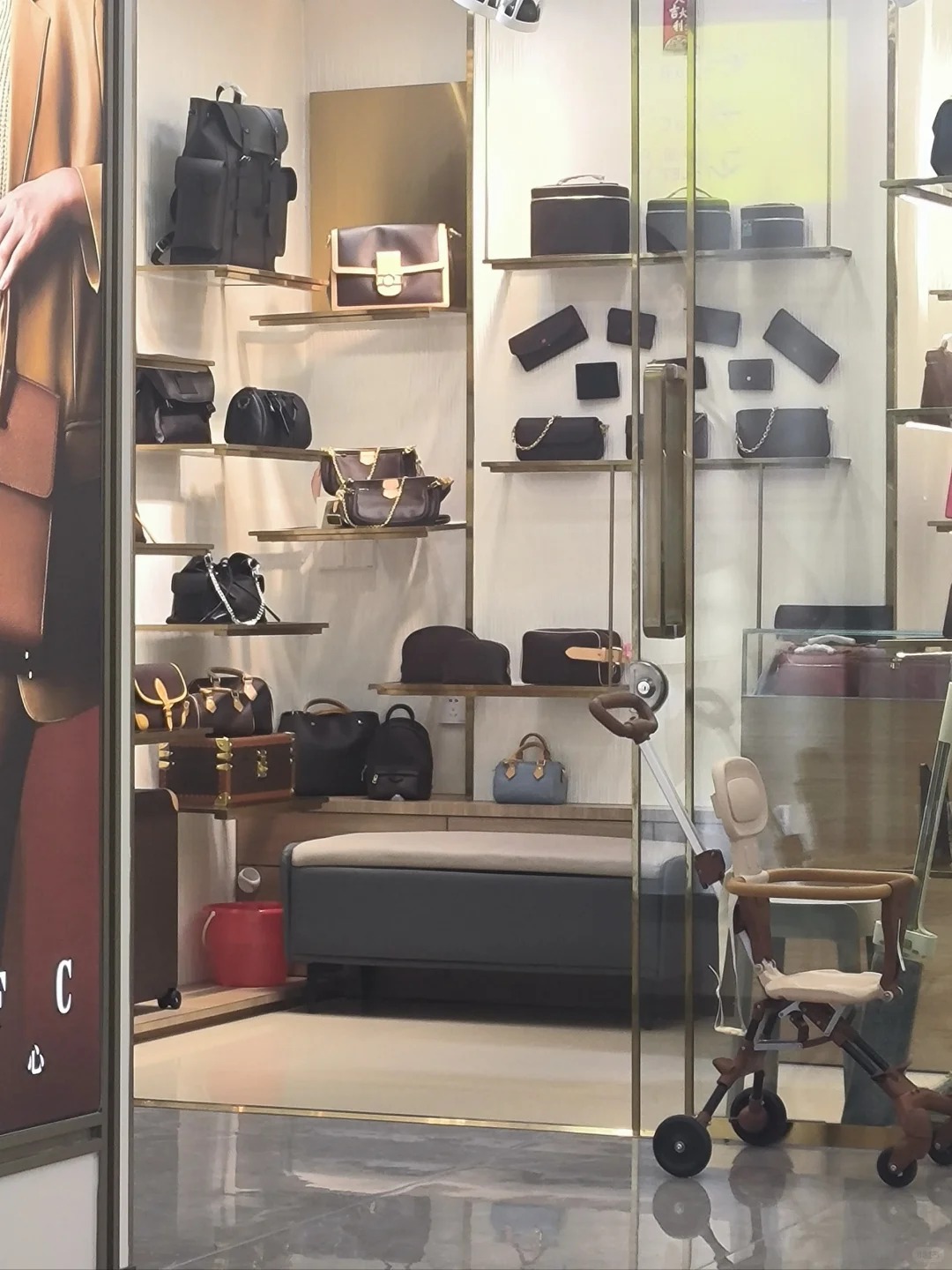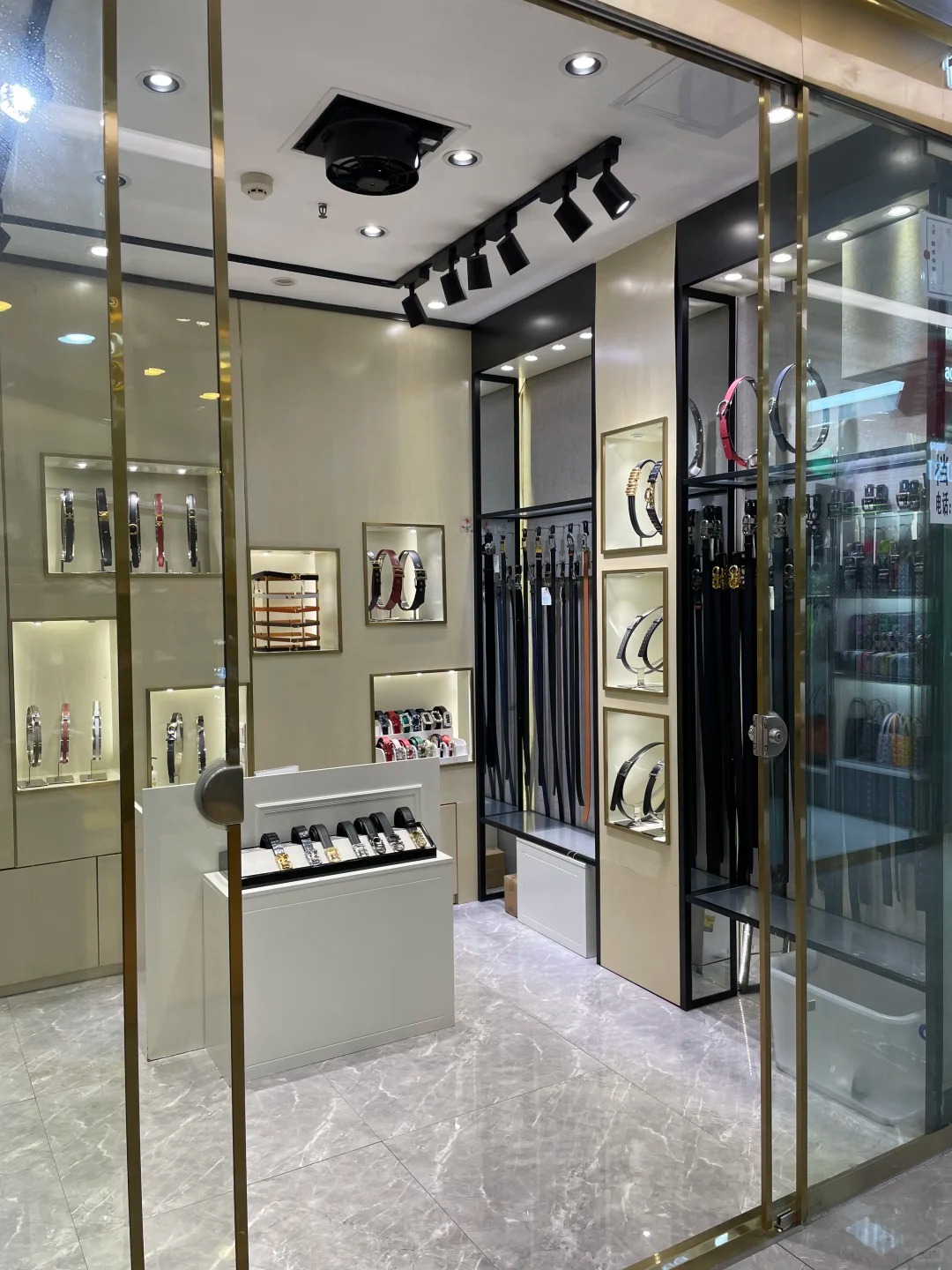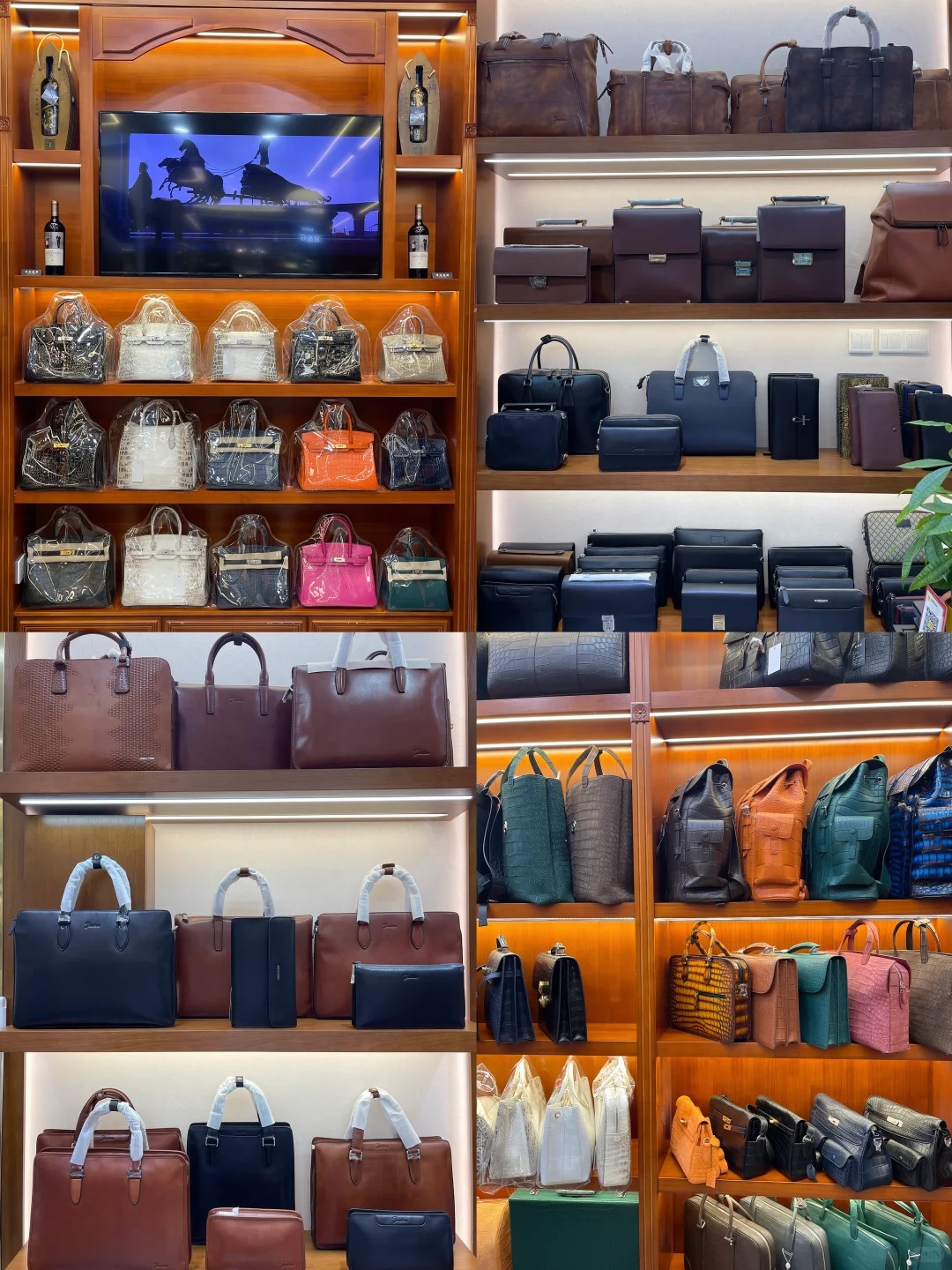

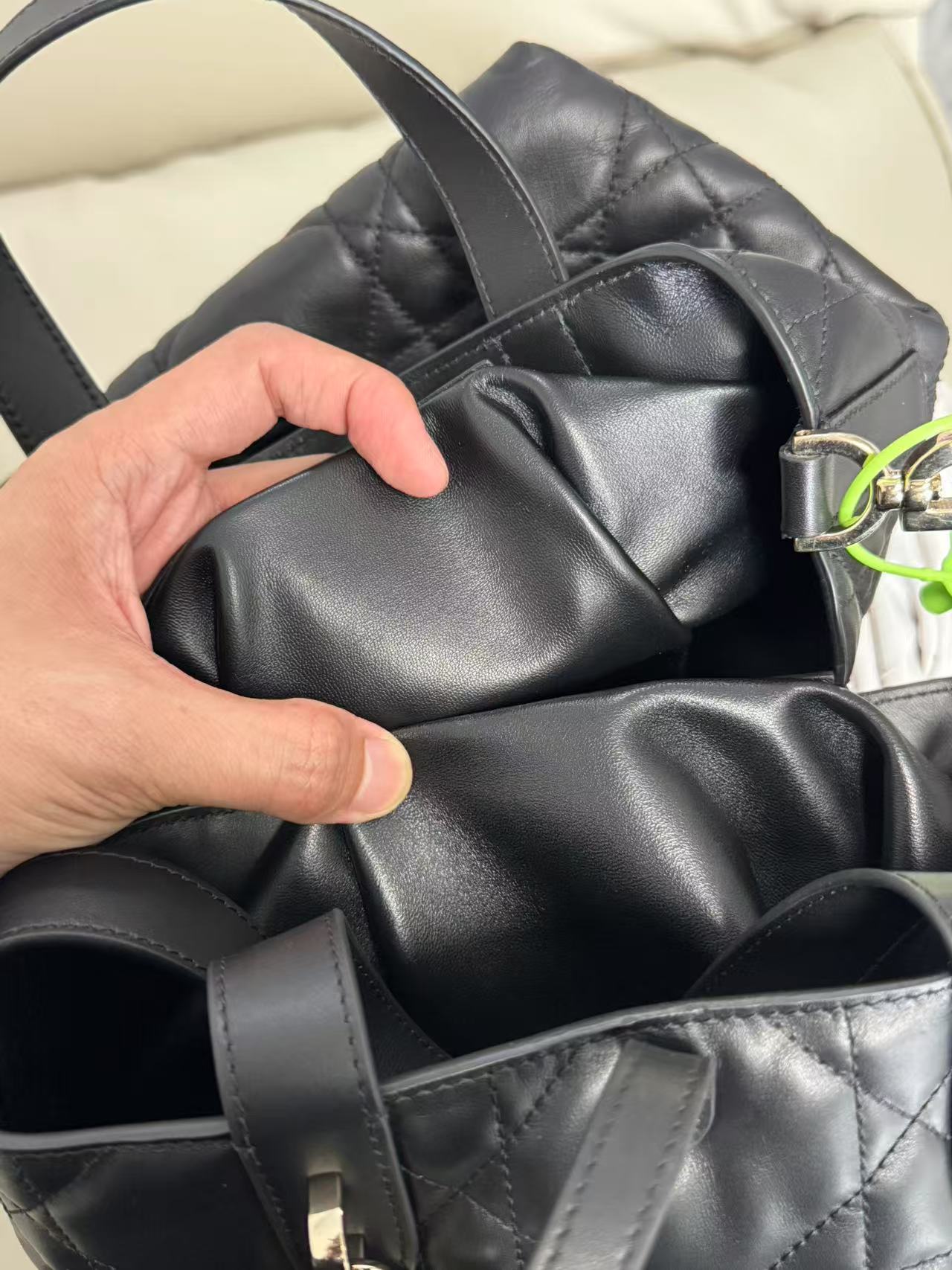
The easiest way to buy authentic brands from China is to source directly from authorized wholesale market stalls in major trade hubs like Guangzhou, Yiwu, or Beijing. These stalls offer genuine overstock, export rejects, or licensed goods at 50-70% below retail.
Step 1: Choose the Right Wholesale Market
Each city has a specialty. In Guangzhou, Baiyun World Leather Trade Center or Zhanxi Road focus on bags. For apparel, try GZD Apartment or ‘Kan’ building. Yiwu excels in small accessories. Do not aim for malls – focus on market stalls that openly display ‘factory direct’ signs. Always ask for their export license or factory authorization letter.
Step 2: Evaluate Fabric & Stitching on the Spot
At the stall, pick up the item. Fabric feel: genuine leather has a distinct smell and grain; synthetics feel plasticky. Run your nail across the surface – real leather scratches faintly. Stitching: authentic products have tight, even stitches (8-10 per inch). Loose threads or uneven seams signal low quality. Check the zipper – YKK or branded zippers with engraved logos are common on authentic items.
Step 3: Verify Authenticity & Packaging
Most genuine pieces come with dust bags, authenticity cards, and serial numbers. Ask for the original box. If a stall says ‘same as genuine but without box,’ be cautious. Reputable stalls often sell overstock from factories – these may lack fancy packaging but still have original tags. No tags? Demand a lower price.
Step 4: Negotiate and Inspect Bulk Orders
Prices are often negotiable. Start at 40-50% below asking. Request to inspect a mixed batch – open multiple units to compare consistency in stitching and fabric. If 2 out of 10 show defects, reject the lot or ask for a discount. Many stalls allow partial returns for defective pieces if you’re a repeat buyer.
FAQ: Common Questions About Buying Brands in Wholesale Markets
| Question | Answer |
|---|---|
| Are Chinese wholesale markets safe for brand buying? | Yes, if you stick to well-known markets and verify licenses. Avoid alleys and unlabeled stalls. |
| How can I tell if a product is a high quality copy? | Check stitching density (8-10 per inch), zipper quality, and material feel. Copies often cut corners on lining and tags. |
| What is the return policy? | No returns typically, but you can negotiate exchanges for defective items within 3 days. |
| Cash or card? | Cash (RMB) gives you leverage for better prices. Major markets accept WeChat/Alipay, but cards are rare. |
| Should I bring a translator? | Yes, especially if you don’t speak Mandarin. Many stall owners speak basic English but nuance helps. |
Scale Up with Online Sourcing from Stalls
Once you have a reliable stall, ask for their WeChat or Alibaba store. Many market stall owners operate online for repeat buyers. Platforms like Soudangkou digitally connect you with vetted stall owners, allowing you to request fabric swatches, real-time video inspections, and negotiate prices remotely. It bridges the gap between visiting in person and trusting photos.
Final Pro Tips
Go early morning (7-8am) when new stock arrives. Build relationships: buy small, pay cash, return often. Ask about ‘factory seconds’ – genuine products with minor flaws at 60% off. Avoid stalls that refuse to show you the inside of a bag or tag. Trust your hands more than the story.
广州服装档口相关入口
继续查看相关市场和品类入口,方便对比档口微信、货源范围、拿货方向和试单前需要核实的信息。