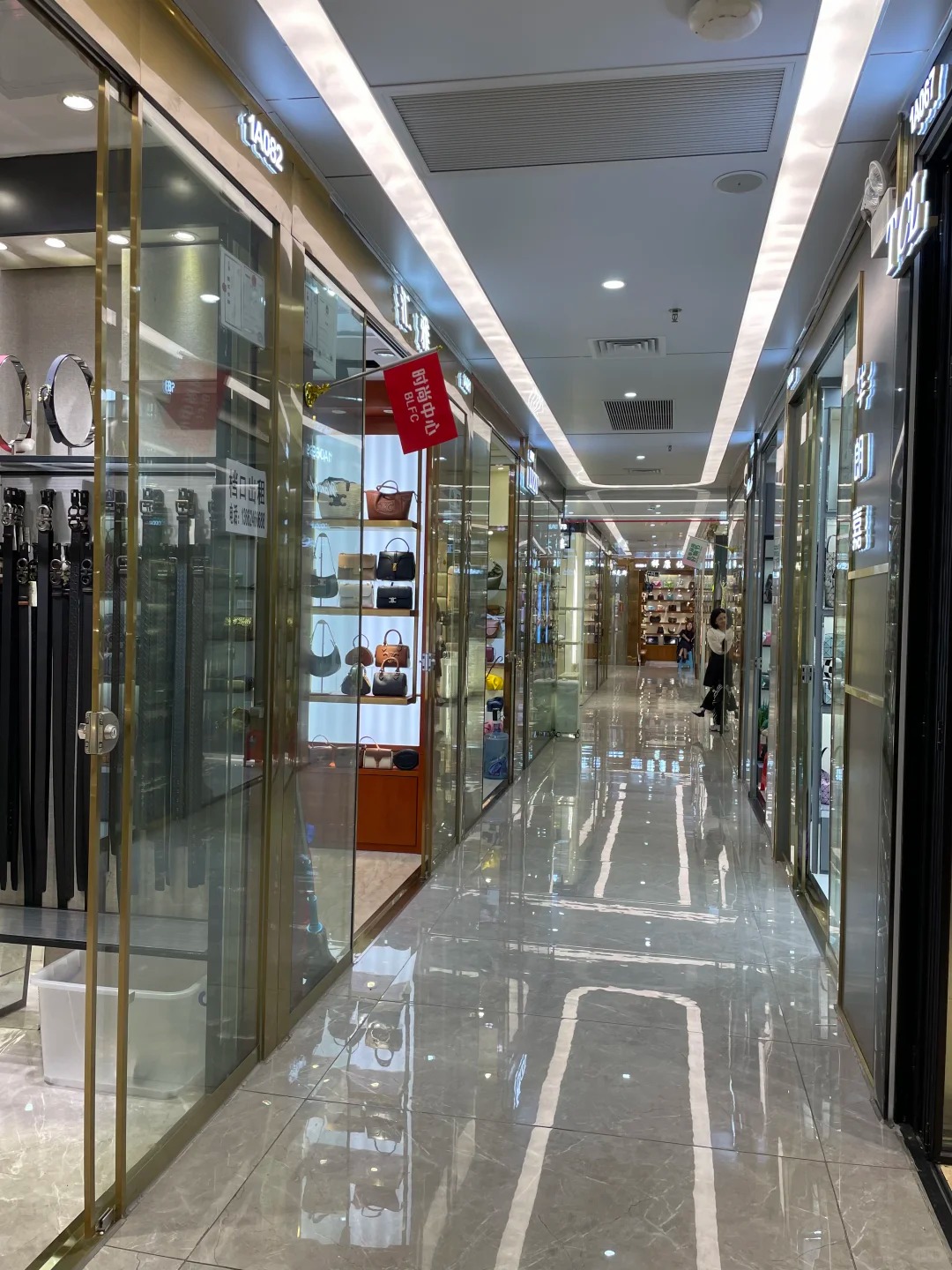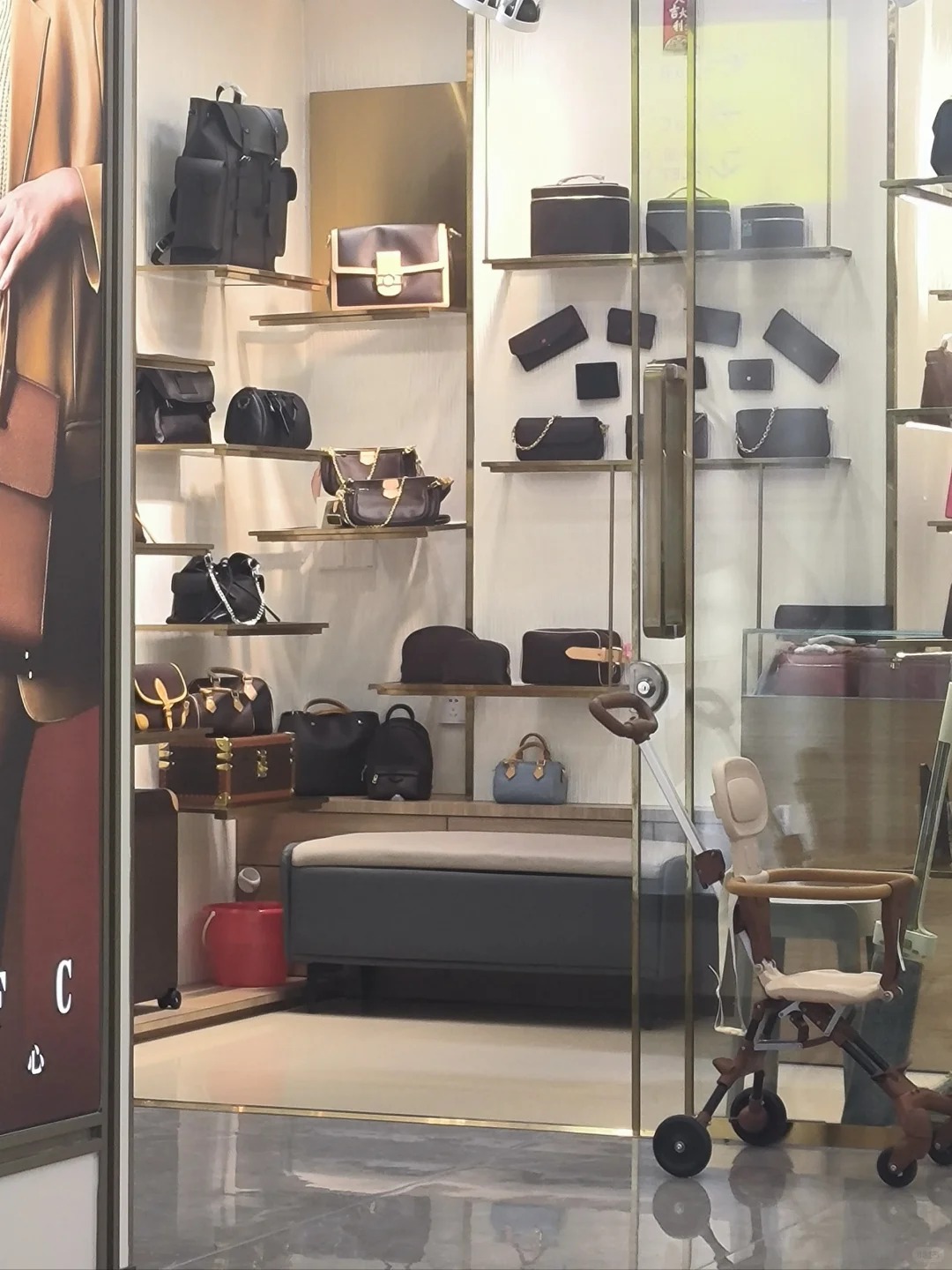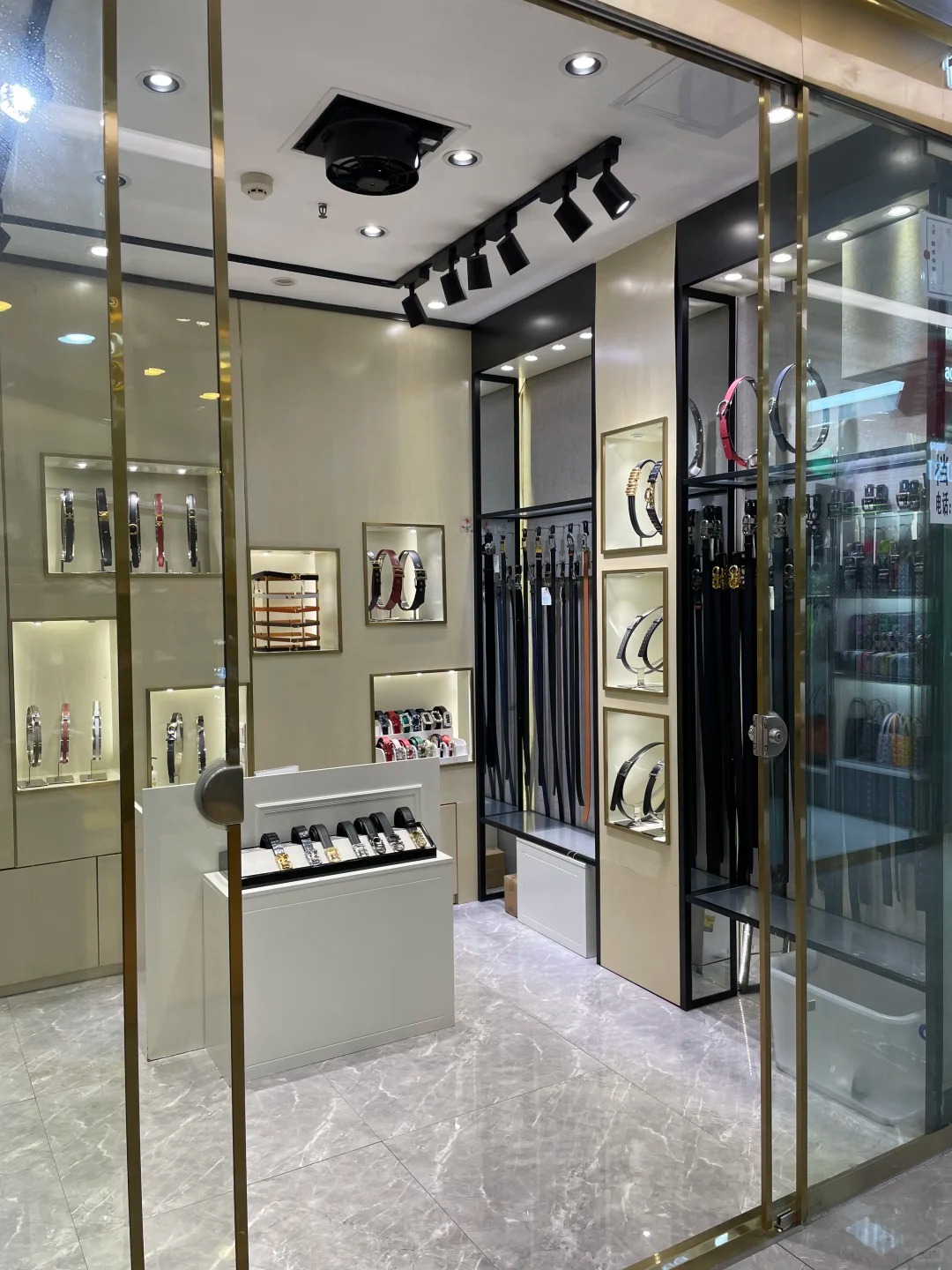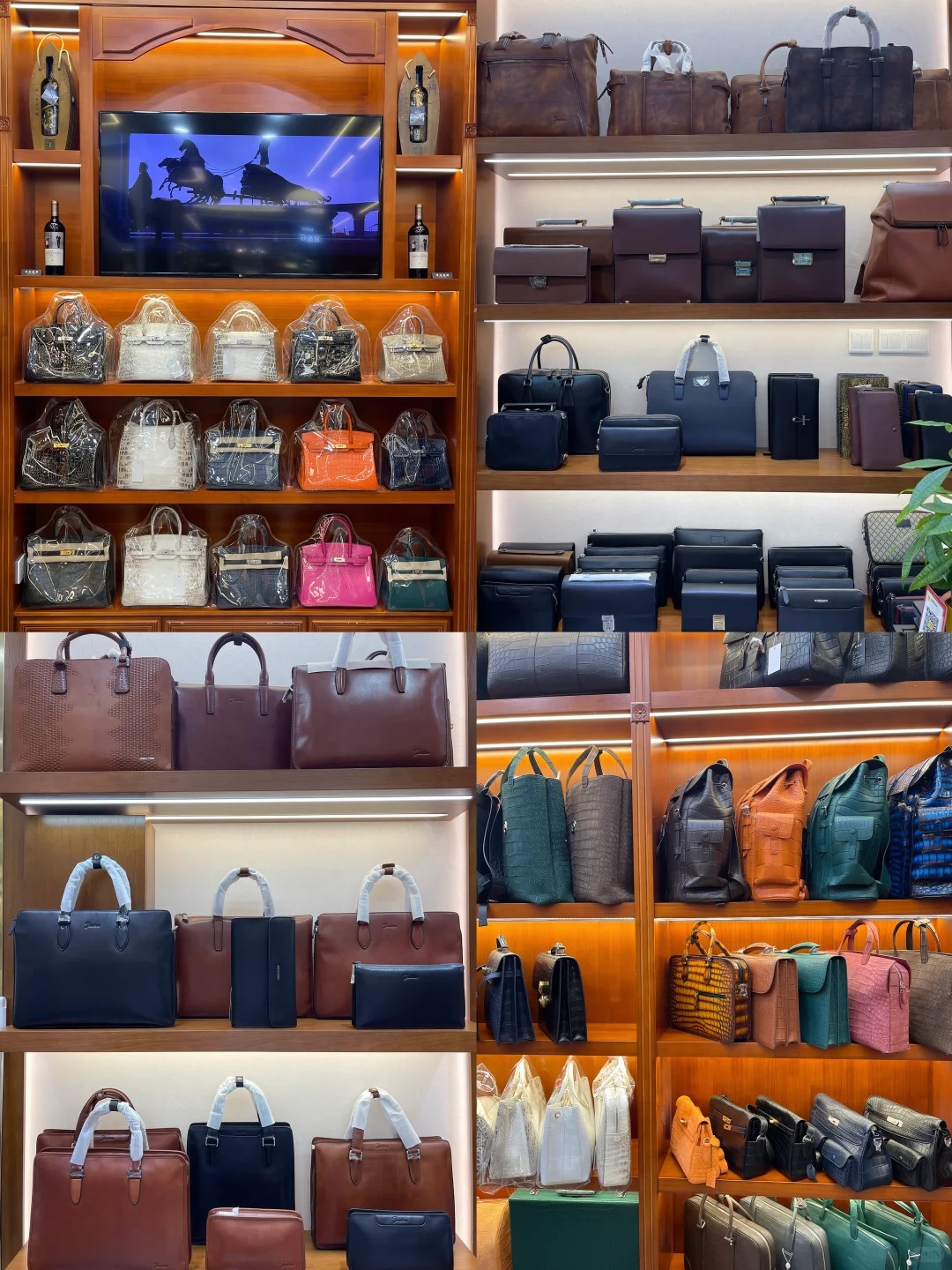

To buy bulk clothing from China efficiently, the fastest and most reliable way is to visit physical wholesale markets in Guangzhou, such as Shijia or Baima, and work directly with established stalls. Your goal is to buy ready stock, check fabric and stitching, and negotiate with vendors who have a physical presence. This approach avoids long lead times and ensures you can assess quality firsthand.
Why Physical Markets Beat Online Sourcing
Alibaba and 1688 are convenient, but for bulk clothing, you want 现货 (ready stock). At physical markets, you can see the same batches that will ship to you. There’s no risk of bait-and-switch. Stalls in Guangzhou’s wholesale hubs specialize in fast fashion and basic garments, often with minimum order quantities (MOQs) as low as 10-20 pieces per style.
Top Markets for Bulk Clothing
- Shijia (Shiqi Road): Best for streetwear, basics, and trendy items. Dense with stalls.
- Baima (White Horse): More upscale, focused on women’s fashion, higher minimums but better quality.
- Zhongda (Fabric Market): If you want custom fabrics, but for bulk ready-to-wear, stick to Shijia and Baima.
How to Judge Fabric and Stitching Like a Pro
At a stall, grab a garment and run a simple check:
- Fabric feel: Squeeze the material—does it bounce back? Polyester blends should not feel flimsy. Cotton knits should have weight.
- Stitching: Look at seams. Loose threads are a red flag. Check double-stitching at stress points (armholes, crotch).
- Button/hole quality: Snap buttons should resist popping. Zippers should slide smoothly.
If multiple stalls show the same shirt but at different prices, the cheaper one likely uses thinner fabric or weaker stitching. For resale, paying 10-20% more for better garments reduces returns and builds trust.
Negotiation Tips for Wholesale Stalls
Stall prices are often inflated. Counter with 60-70% of the listed price. If you’re buying 50+ pieces of a style, you have leverage. Sellers at markets like Soudangkou (an emerging wholesale platform) are used to haggling. Offer to pay cash for a discount. Build a relationship—return to the same stall; they’ll give you better rates.
FAQ: Buying Bulk Clothing from China
| Question | Answer |
|---|---|
| What is the typical MOQ for bulk clothing? | In physical markets, MOQ starts at 10-20 pieces per style. Online it’s often higher (50-100). |
| How can I avoid fake products? | Stick to reputable markets; avoid street sellers. Check for brand licenses if needed. |
| Is it cheaper to buy from factories direct? | Only if ordering thousands. For <500 pieces, stalls in markets are cheaper and faster. |
| How do I test fabric quality at a stall? | Rub a swatch on your skin, stretch it, and check opacity. |
| Can I get custom sizing or labels? | Yes, but requires higher MOQ (usually 200+). Most stalls only sell standard sizes. |
| What’s the best payment method? | Cash or bank transfer. Avoid credit cards (2-3% fee). |
| How long does shipping take? | 3-5 days express, 7-10 days standard. Stalls can arrange shipping directly. |
Final Checklist Before You Buy
- Request samples of all styles. Pay for them if needed—cheap insurance against bad bulk.
- Check the batch number: Identical styles from different batches may vary in color or fabric.
- Use a translator app: Most stall staff speak limited English. Write numbers and negotiate with a calculator.
- Visit multiple stalls: Compare three options before committing. Prices can vary 30%.
Platforms like Soudangkou bridge online search with physical market inventories, helping you locate stalls that match your quality needs. But nothing beats going in person, touching the fabric, and building a relationship with the seller.
With this guide, you’ll navigate China’s bulk clothing markets confidently. Remember: fabric and stitching are your only guarantees of product quality—never assume, always inspect.
广州服装档口相关入口
继续查看相关市场和品类入口,方便对比档口微信、货源范围、拿货方向和试单前需要核实的信息。