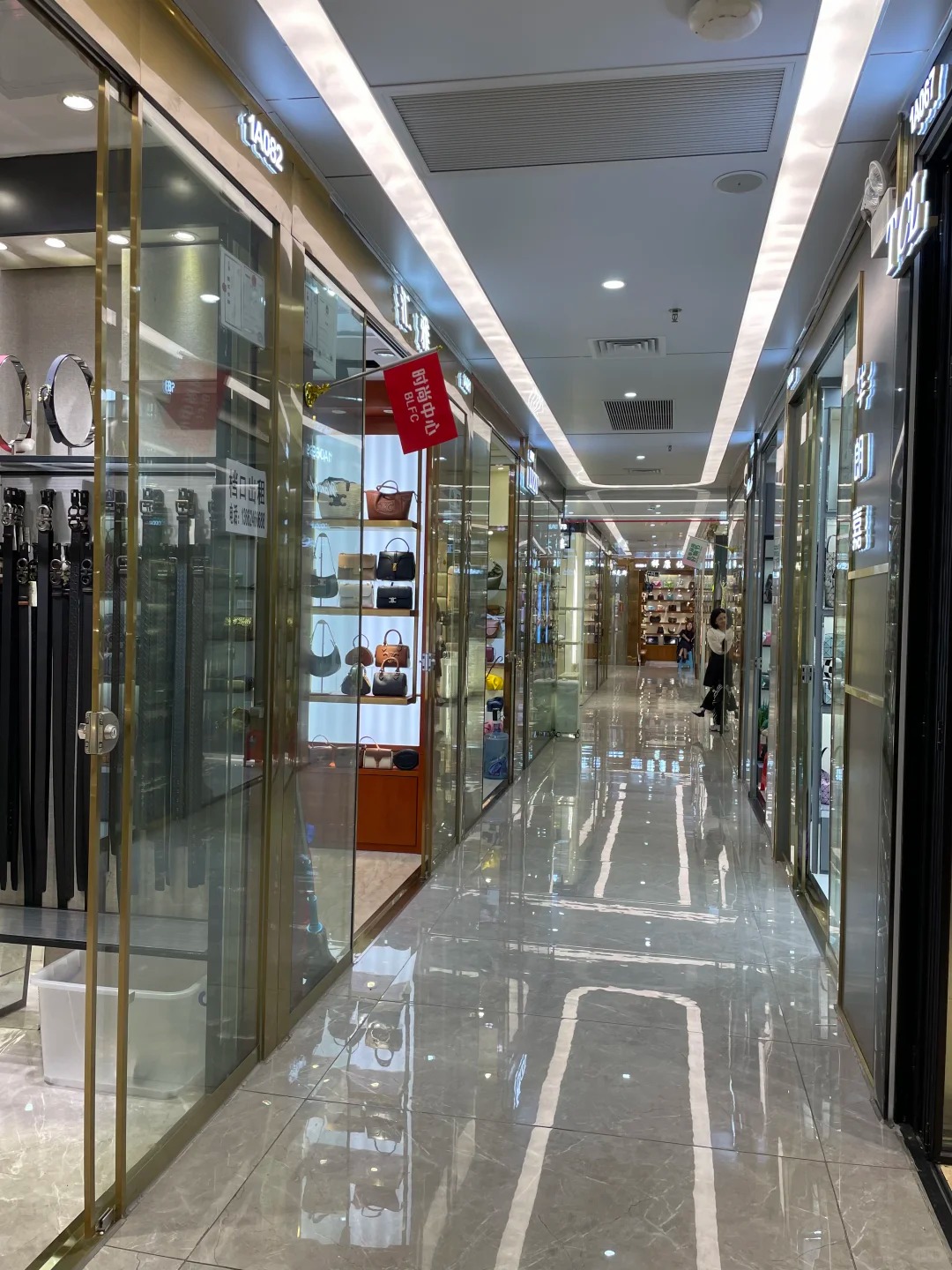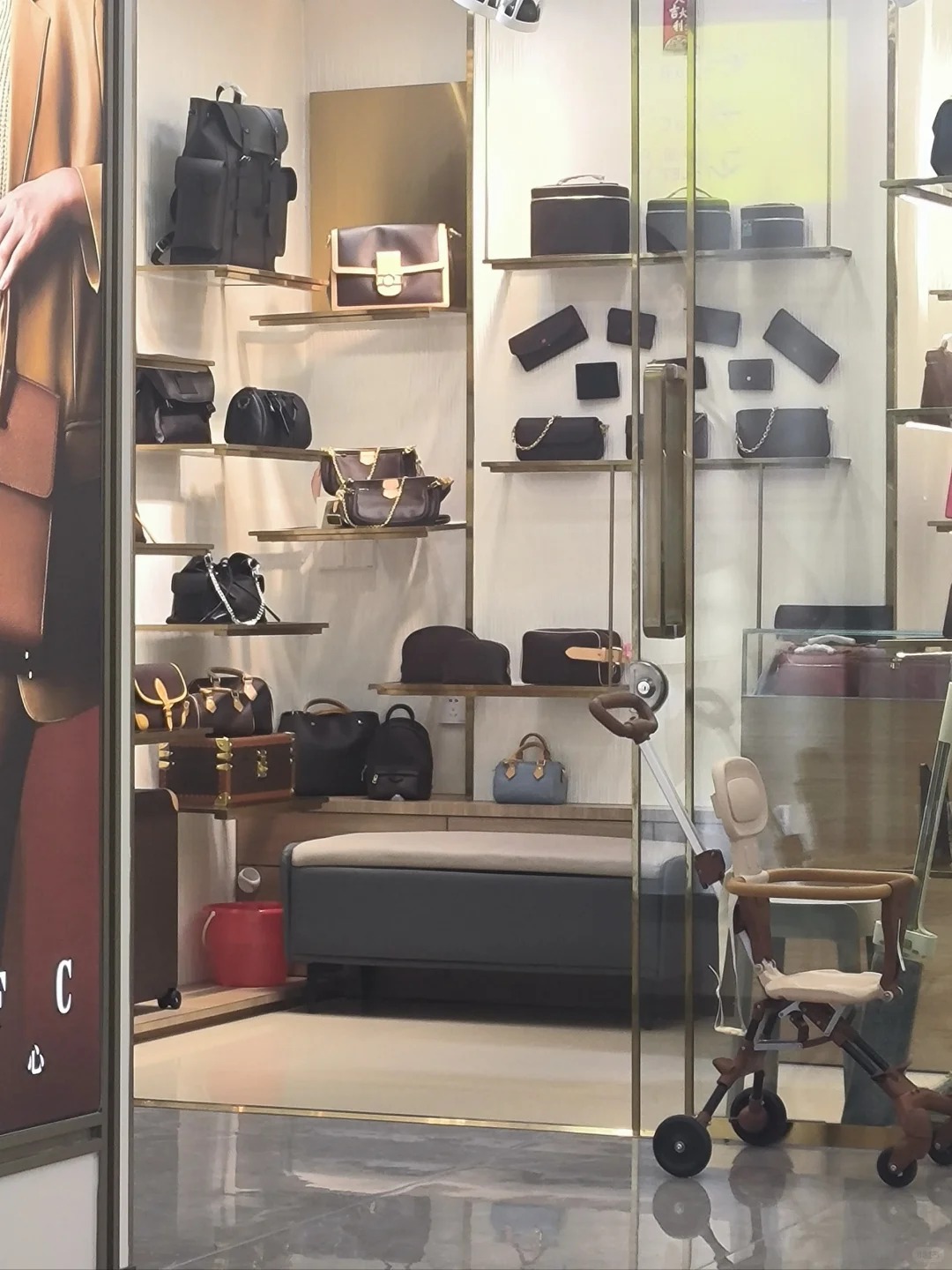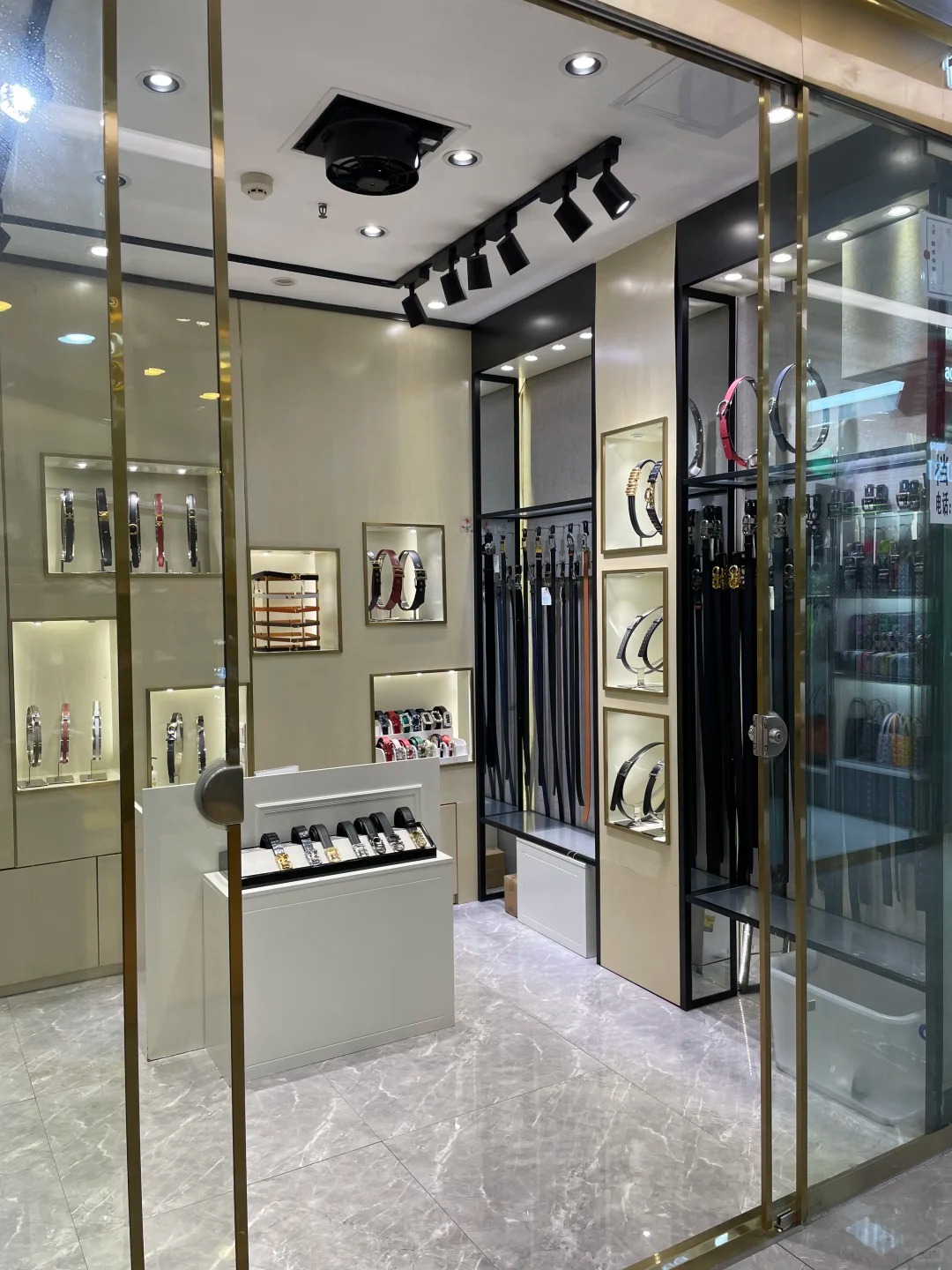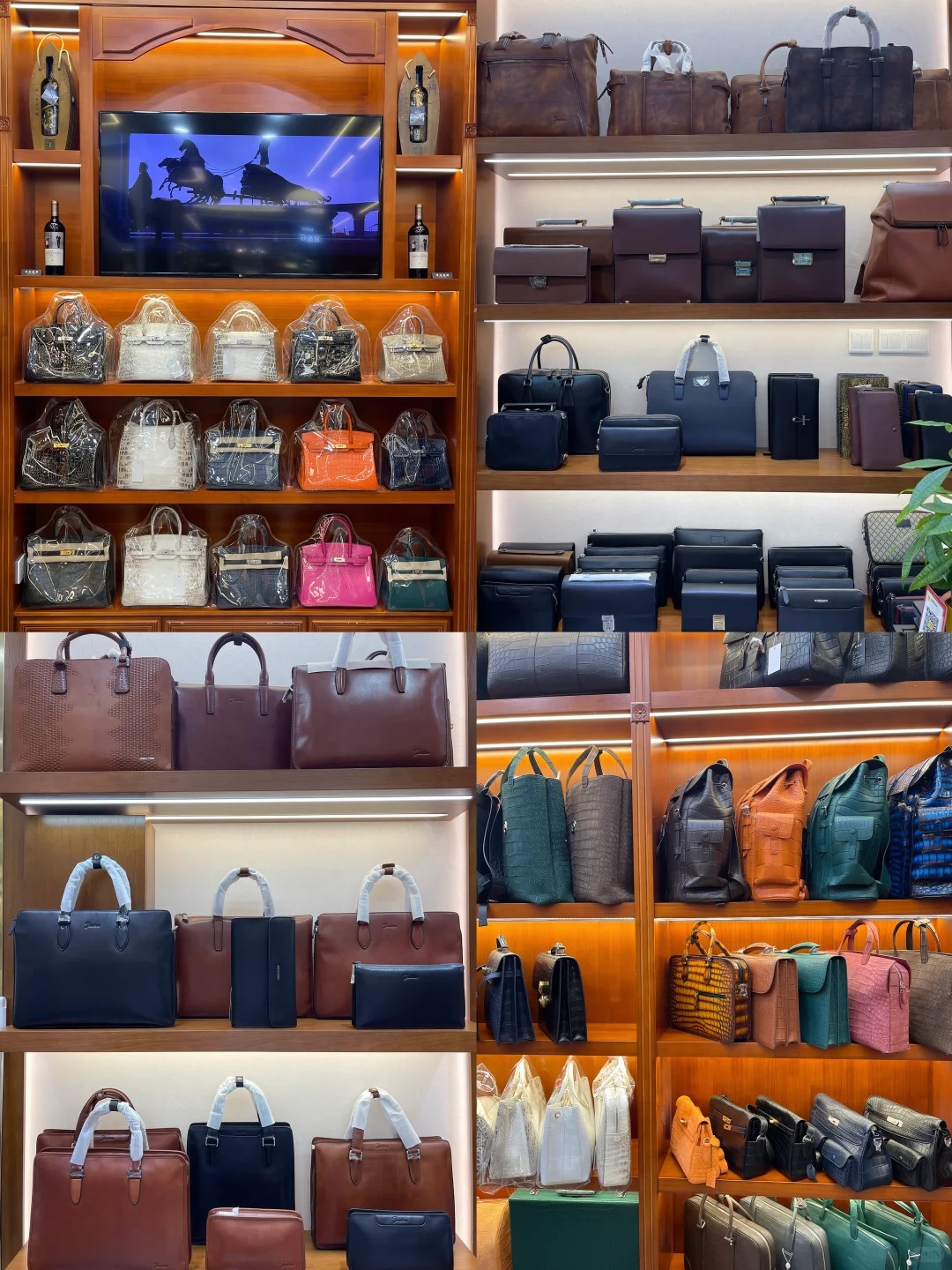

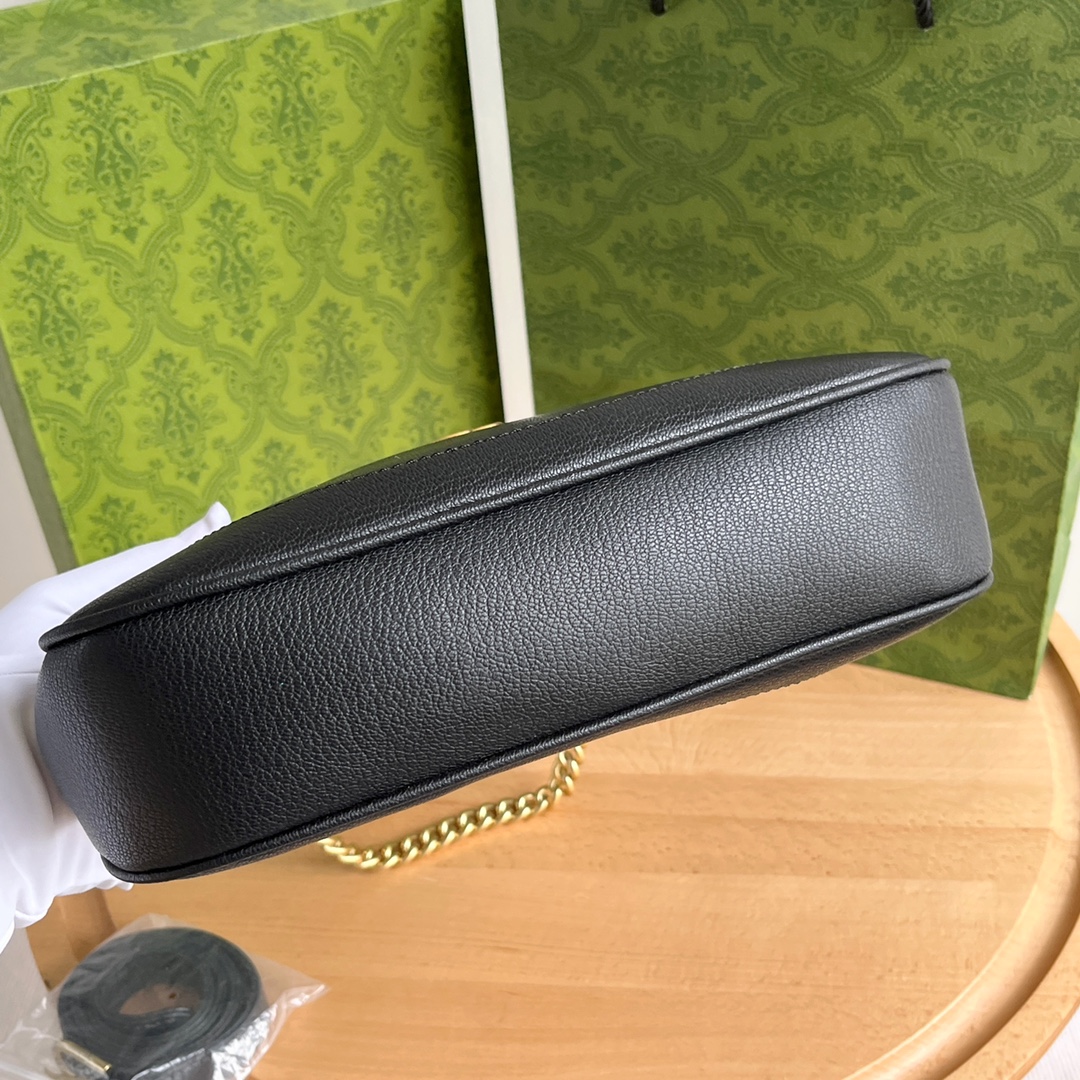
Buying cheap from China isn’t about haggling online for single items—it’s about tapping into physical wholesale markets where stalls sell spot goods. You walk in, pay cash, and walk out with boxes of real products, often at prices 50-80% below retail. The trick? Know which market, which stall, and what to look for.
Skip the Alibaba rabbit hole. Serious buyers fly to Guangzhou, Yiwu, or Beijing. They hit markets like Yiwu International Trade Market (Futian) or Guangzhou’s Sanyuanli. The real deals happen at wholesale market stalls, where vendors display current inventory. No samples, no waiting—just grab the goods.
Finding Cheap Spot Goods
Spot goods are ready to ship. You pay, and you take or ship immediately. Cheap stuff comes from stalls that buy factory overruns, cancelled orders, or produce in bulk. Key districts:
- Yiwu: Everything polyresin, toys, household items. Stall owners often have English signs.
- Guangzhou: Apparel, electronics, bags. The Tianhe area has dozens of wholesale centers.
- Shijiazhuang: Fewer tourists, lower prices for clothing and accessories.
How to Judge Quality at the Stall
Feel the fabric. Hold the textile against your cheek. Cheap fabric feels rough or thin. Look at stitching. Turn the item inside out. Loose threads, uneven seams? Red flag. A $5 shirt can have $10 sewing. The best stalls sell items that are slightly flawed—fashion rejects from major factories. That’s your sweet spot: near perfect, but priced at wholesale cost.
Negotiation: Doing It Right
You’re at a stall. You see a cheap item. Don’t say ‘how much’ immediately. Pick it up, examine, then ask price. Counter with half—they expect it if you buy 10+ pieces. Use cash, speak slow English, and smile. Most stalls list prices in RMB. If they quote $2, aim for $1.20 for 20 units. Walk away if they don’t budge—next stall likely has similar.
Avoiding Rip-offs
Don’t chase brands. The market full of ‘Nike’ shoes for $15? They’re not Nike. You want great quality unbranded or legal generic goods. A genuine China supplier focuses on material and function. For instance, a cheap Bluetooth speaker from a stall at Soudangkou.com—I saw one with real metal grille and USB-C for $4. That’s value, not counterfeit.
FAQ
| Question | Answer |
|---|---|
| Can I buy single units cheap? | Wholesale is for bulk, but you can find ‘one piece price’ stalls near market entrances. Expect 30-50% more than bulk. |
| Should I pay by card or cash? | Cash. Credit cards add fees. Chinese vendors prefer WeChat or Alipay, but cash works. |
| What’s the best time to visit? | Early morning, 8-10 AM. Fresh stock. Avoid weekends. |
| How do I ship spot goods? | Stalls often have a freight forwarder they recommend. Ask for ‘da huo’ (large shipment). |
| Do I need a translator? | Not strictly, but a phone translator app helps. Many stall owners speak basic English for numbers. |
| Can I return if I change my mind? | No. Inspect on the spot. Check every unit. No returns for spot goods. |
| Are there fake payment scams? | Yes. Stick to registered stalls in official markets. The market management ensures legitimacy. |
| How cheap is ‘cheap’ really? | Example: A polyurethane handbag at a western mall is $40. Same bag from a Guangzhou stall? $3.50. 10x difference. |
Final Word: The Best Strategy
Combine online sourcing with physical visit. Platforms like Soudangkou list thousands of verified stalls with real-time stock. Use their platform to shortlist stalls, then go see the goods. Touch, test, negotiate. That’s how you buy cheap stuff from China.
广州服装档口相关入口
继续查看相关市场和品类入口,方便对比档口微信、货源范围、拿货方向和试单前需要核实的信息。