
You want to buy products from China for Amazon, but you’re overwhelmed by sourcing risks and shady suppliers.
The key is to start by picking a product category with proven demand on Amazon — think home goods, kitchen gadgets, or pet accessories (under 2 lbs, no hazmat). Once you have a winner in mind, the cheapest and most reliable way to buy from China is to visit wholesale market stalls in person or use a trusted sourcing partner who can do the legwork. From my experience sourcing for hundreds of Amazon sellers, the “one-shot order” mentality fails 9 out of 10 times. You need to test samples, touch the fabric, and inspect the stitching. That’s how you avoid the nightmare of 10,000 units with crooked seams.
Phase 1: Zero in on Amazon-validated products
Don’t guess. Use tools like Jungle Scout or Helium 10 to find products that are already selling well but have room for improvement. Filter by: monthly sales >300, price $15–$50, and low brand dominance. Then, check AliExpress or 1688 for existing listings — if you see dozens of sellers offering the same item, it’s a commodity. You want to find a product that you can differentiate by a small upgrade: better material, smarter packaging, or an added feature. For example, a bamboo kitchen organizer with a built-in draw that competitors miss. That edge comes from walking through market stalls and feeling real product differences.
Phase 2: Navigate China wholesale market stalls like a pro
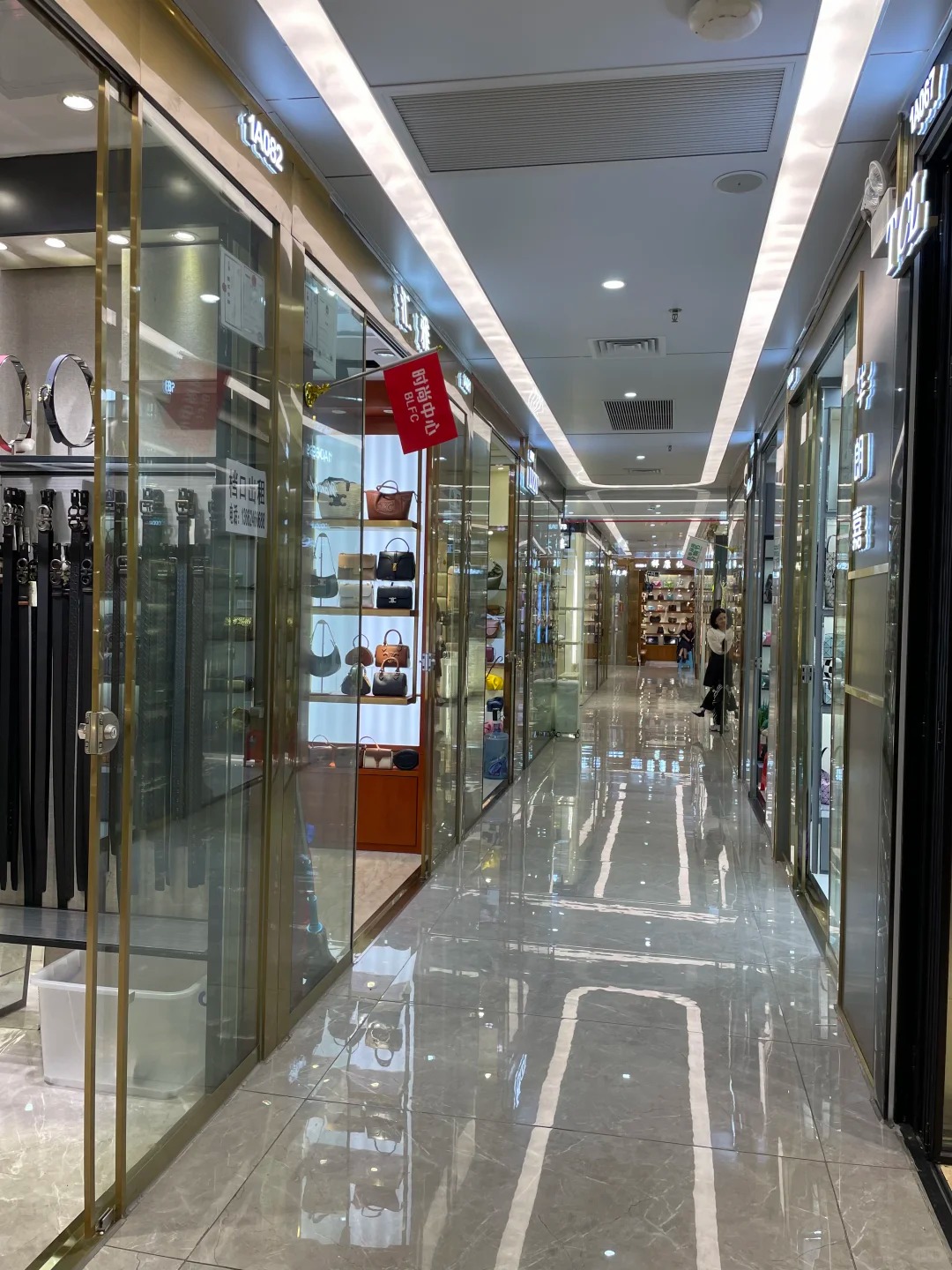
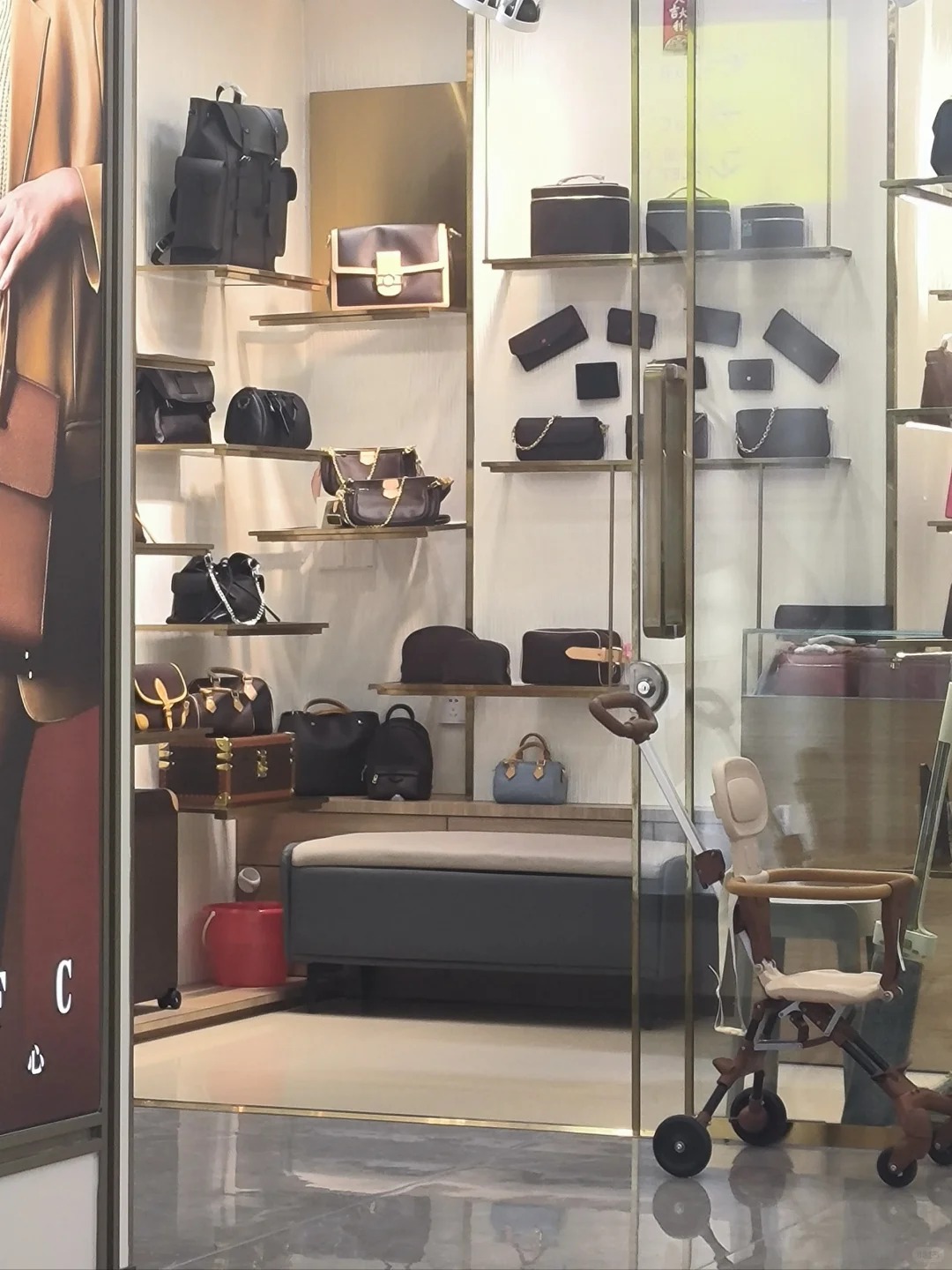
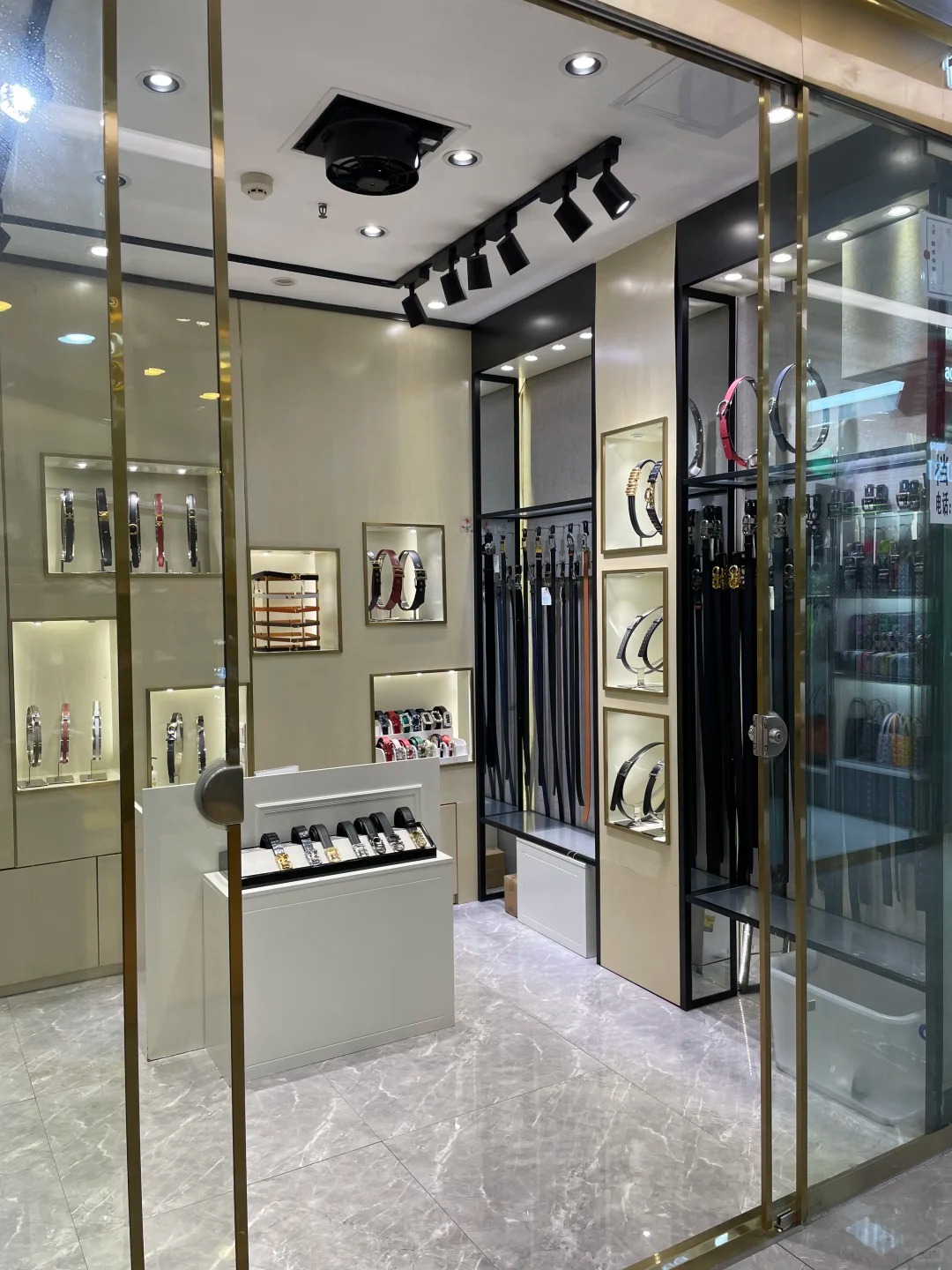
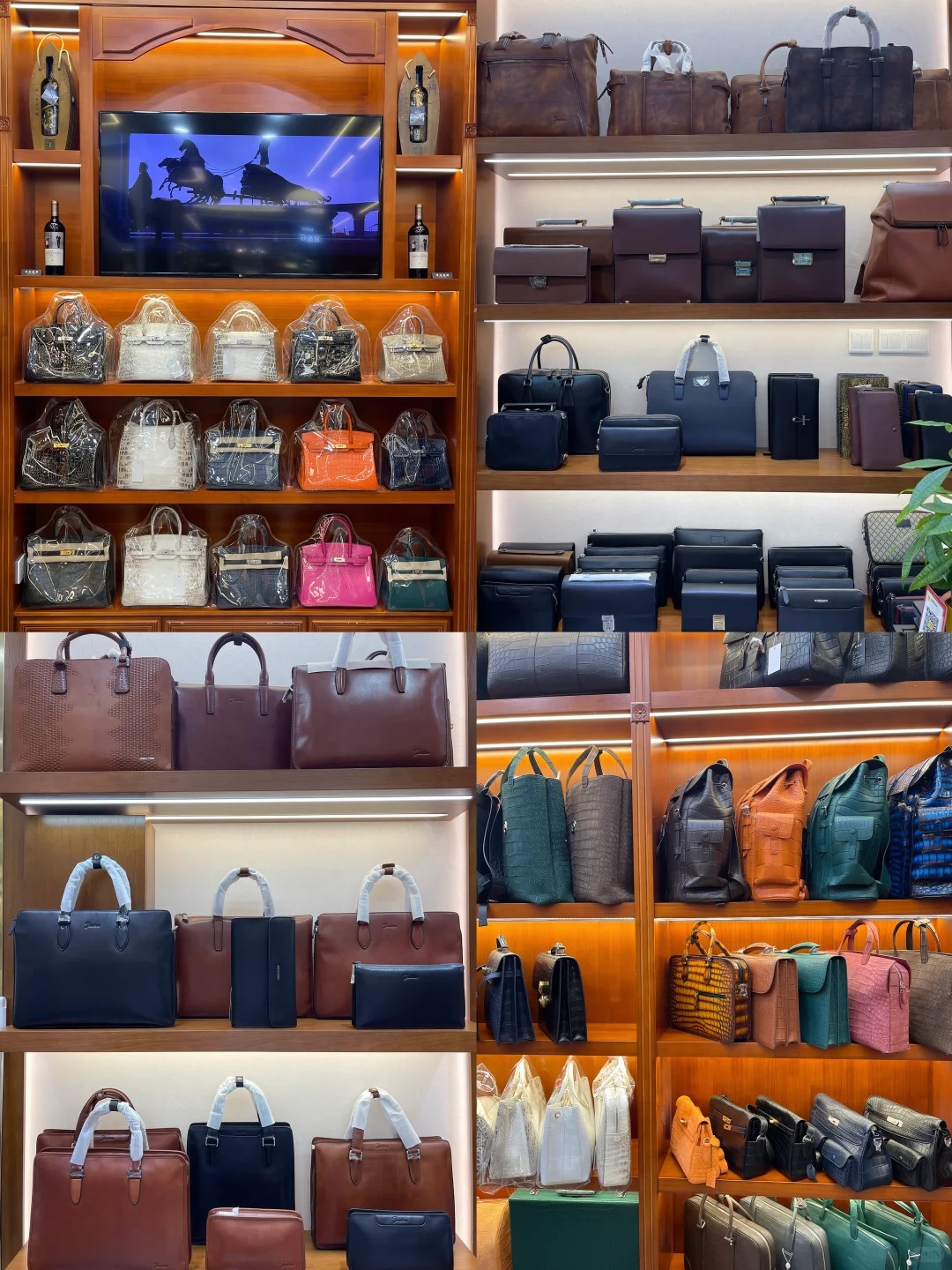
Think of Yiwu, Guangzhou, and Shenzhen as your playgrounds. Here’s the stall owner’s perspective: they get thousands of website inquiries from “Amazon sellers” who want 100 units with free shipping. Those get ignored. But when you step into a stall and ask three specific questions, they listen:
- “Can I see the fabric content label and feel the seam tolerance?”
- “What’s your minimum order for one-color that passes inspection?”
- “Can you show me three stages of production — raw material, sewing, final check?”
If a stall owner pulls out a sample without hesitation and lets you inspect the stitching under natural light, that’s a green flag. If they deflect or push for a bulk order, walk away. Soudangkou connects you directly to such vetted stalls — they are the middlemen bypassing the typical “factory direct” hype.
Phase 3: Sample verification — the 3-step torture test
- Touch and stretch: For textiles, stretch the seam — if it gapes, reject. For electronics, check the plug weight and flex. Cheap plugs break at the prongs. For kitchenware, scratch the coating: a finger nail test that leaves a mark = low quality.
- Weight check: Use a kitchen scale. Amazon standard small oversize charges based on weight. A product 0.1 lb heavier can kill your profit margin. Compare to supplier’s declared weight. If it’s consistently off by more than 5%, the stall is using substandard materials to cut costs.
- Wash/use simulation: Wash a fabric sample 3 times (hand wash cold, air dry). If it fades or shrinks >3%, that’s a customer return magnet. For mechanical items, open-close 50 times. You’ll catch the “Friday afternoon” defects — loose screws, misaligned parts — that show up after 50 operations.
Phase 4: Negotiate and place the order
Never accept the first quote — “candidate price” (lowest possible) is usually 10–20% below their initial offer. Say: “I appreciate your quality. I’ll start with a trial order of 300 units at this price. If first batch hits Amazon top 100 in 60 days, I guarantee a reorder of 2,000 units.” Stalls love the promise of volume, so they’ll often match your price. Also, insist on a pre-shipment inspection by a third-party like QIMA or SGS. It’s $300–500 but saves you from a catastrophic container refund.
FAQ: How to Buy Products from China to Sell on Amazon
| Question | Answer |
|---|---|
| What is the minimum order quantity (MOQ) for new Amazon sellers? | Most market stalls require 100–300 units per style/color for first order. Some offer “mixed MOQ” if you buy across multiple designs from the same stall. |
| How do I check if a supplier is trustworthy? | Ask for video walkthrough of their factory floor, verified by a third-party audit (BSCI, Sedex). Then order small sample first — 2–5 pieces. |
| What are typical shipping costs and timelines from China? | For 50kg (about 300 kitchen gadgets) air freight costs $400–$800 (7–12 days); sea freight (30–45 days) is 20–30% less but requires larger volume. Always get volumetric weight check. |
| How do I avoid customs issues? | Use an experienced freight forwarder who handles HTS classification. Include proper commercial invoice with accurate value (not undervalued). |
| What product categories should I avoid as a beginner? | Electronics with lithium batteries, cosmetics, supplements, and baby items. They require rigorous compliance testing and high liability. |
| Can I use platforms like 1688 instead of visiting in person? | Yes, but you lose the ability to check fabric feel and stitching. If you must buy remotely, hire a sourcing agent (e.g., from Soudangkou) to visit stalls for you. |
| How do I handle defect rates when selling on Amazon? | Aim for <2% defect rate on first order. For any defects, negotiate with supplier for refund or discount on next order. Track everything. |
Final tip: Don’t over-optimize on cost
The cheapest stall often uses recycled materials or skips inspection. Pay $0.20 more per unit for a stall that shows you their reject pile and explains why each piece failed. That transparency is worth gold. The best Amazon sellers I know build long-term relationships with 2–3 stall owners who send them “new arrivals” before listing them publicly. And yes, Soudangkou curates exactly these stall owners for you. It’s not about buying the cheapest; it’s about buying the smartest.
广州服装档口相关入口
继续查看相关市场和品类入口,方便对比档口微信、货源范围、拿货方向和试单前需要核实的信息。