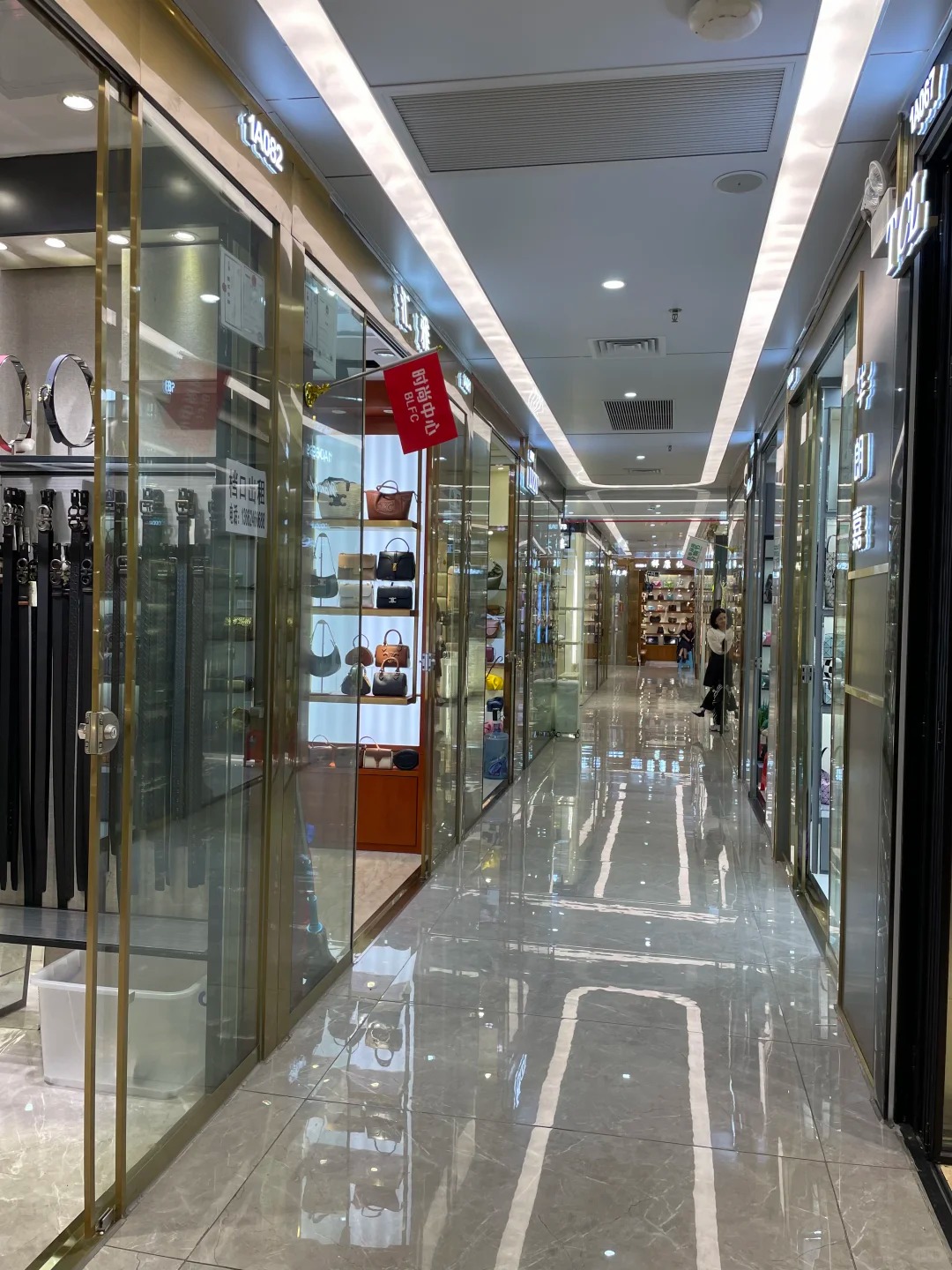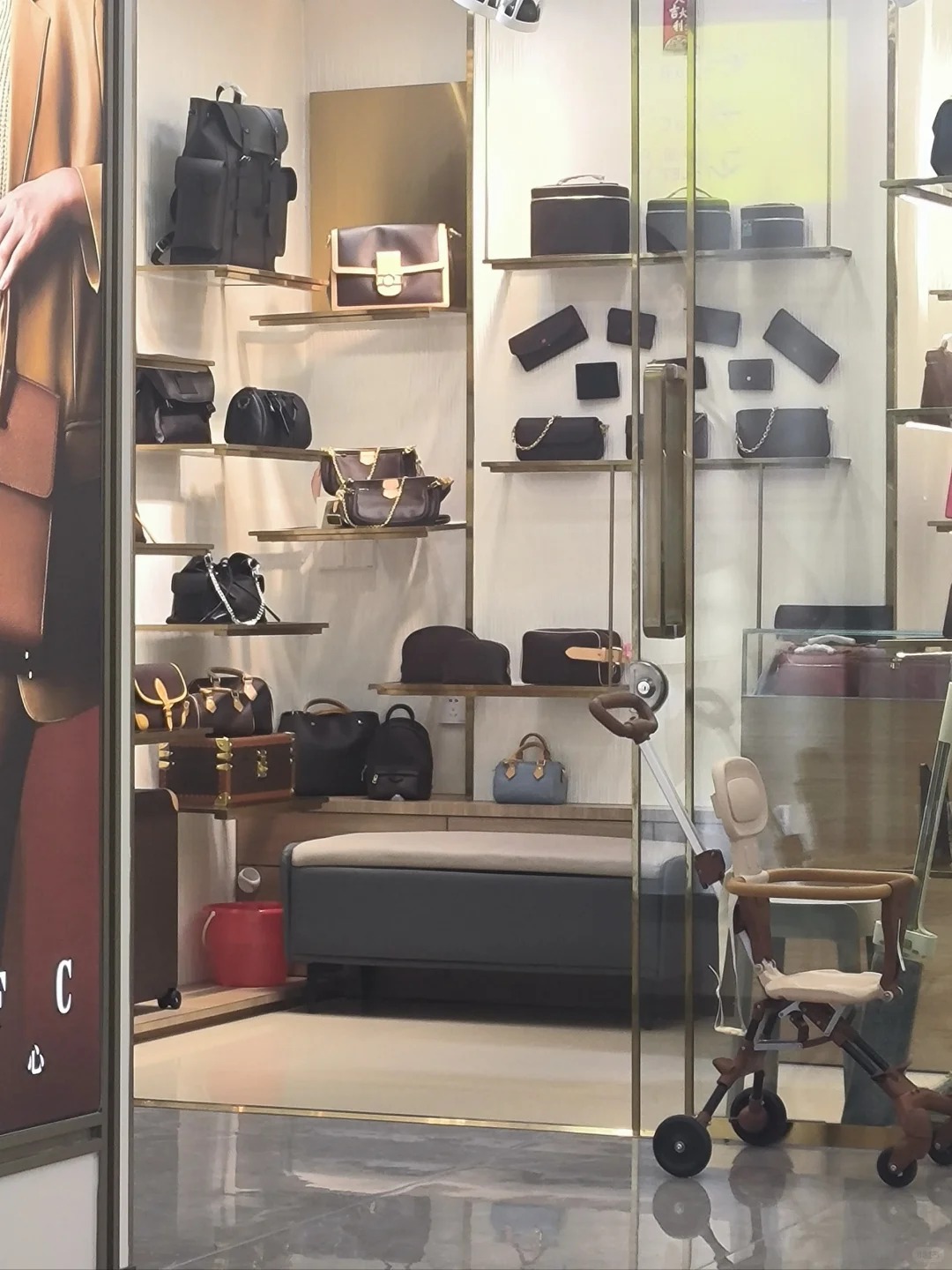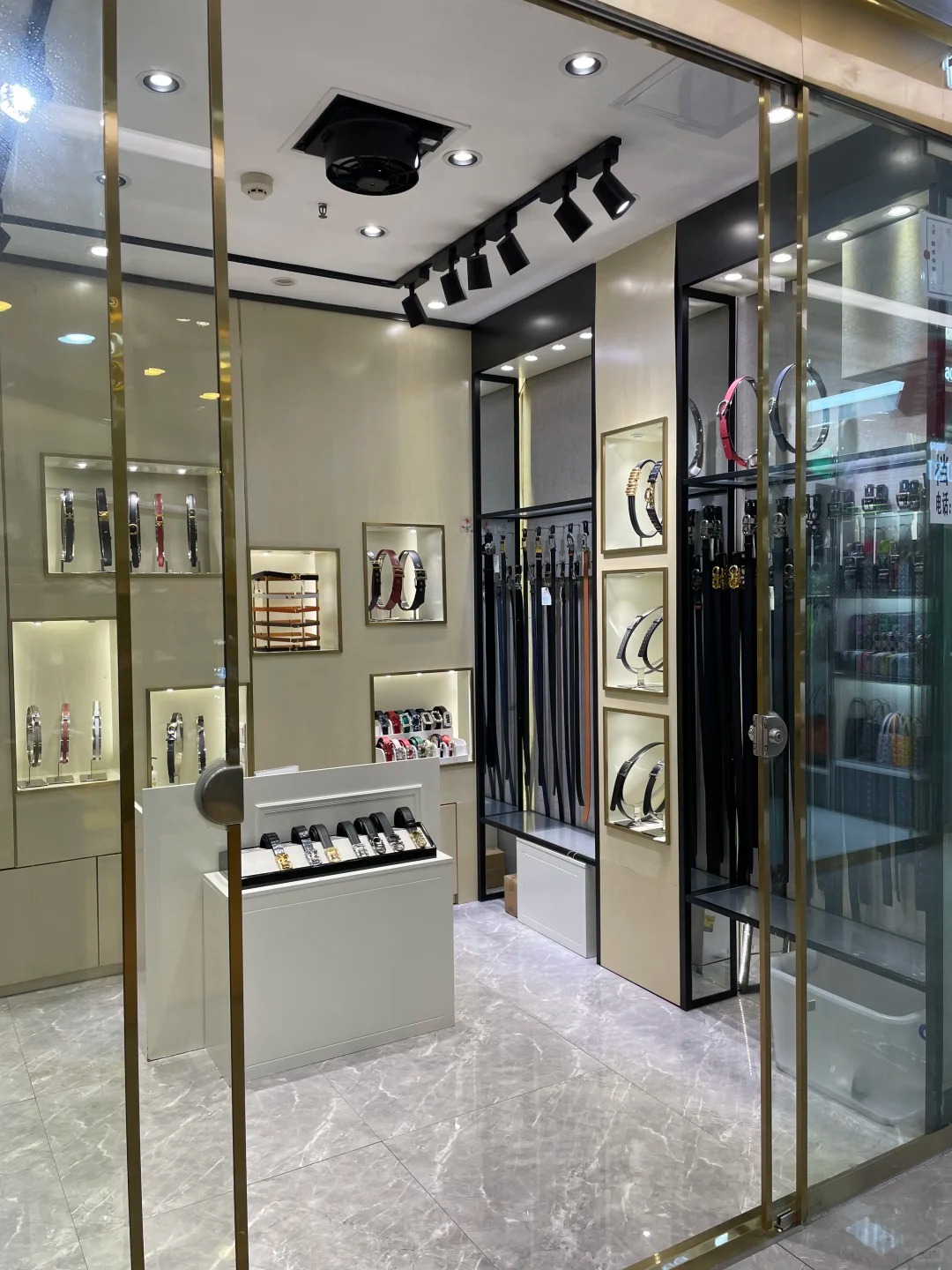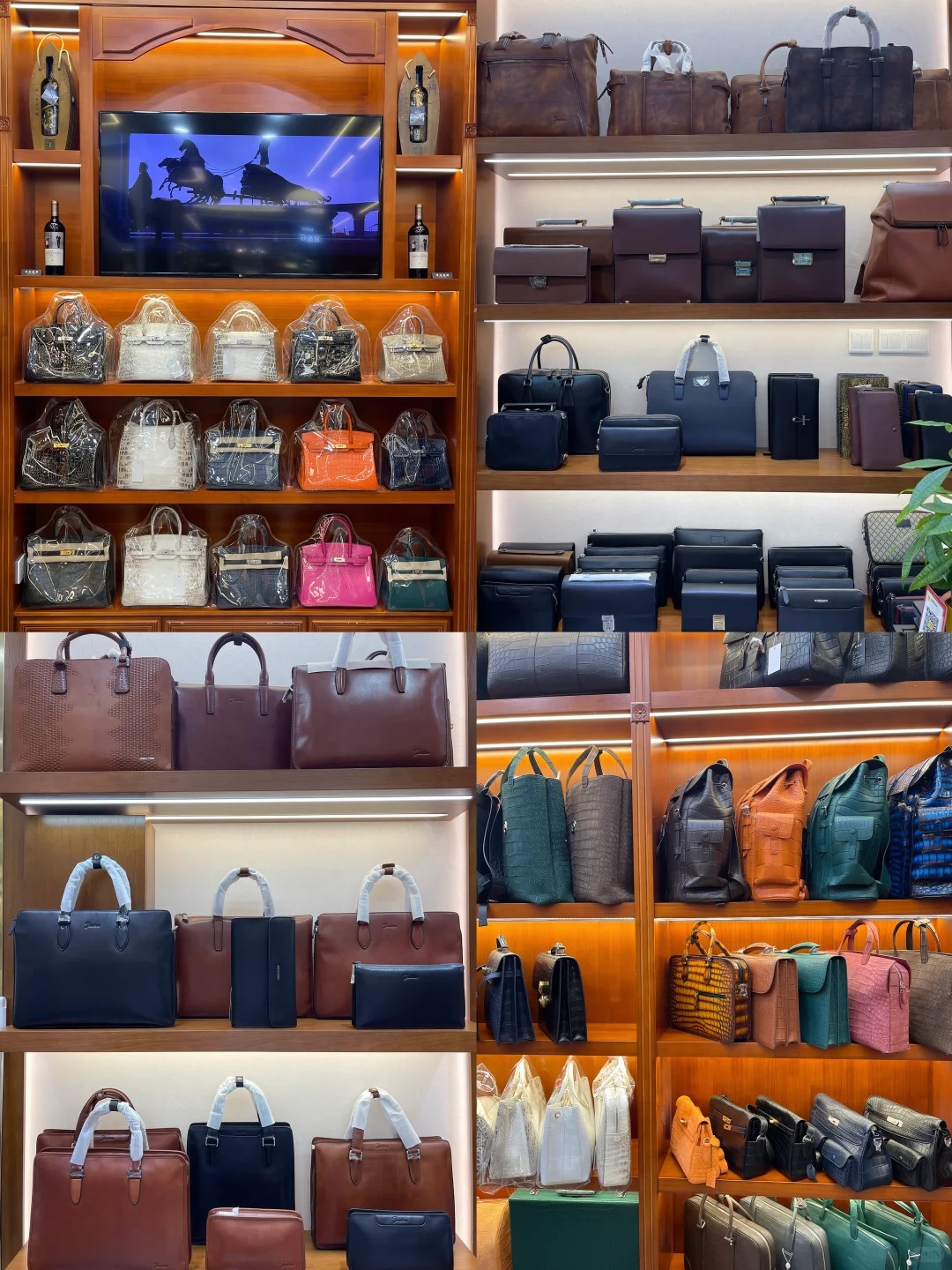

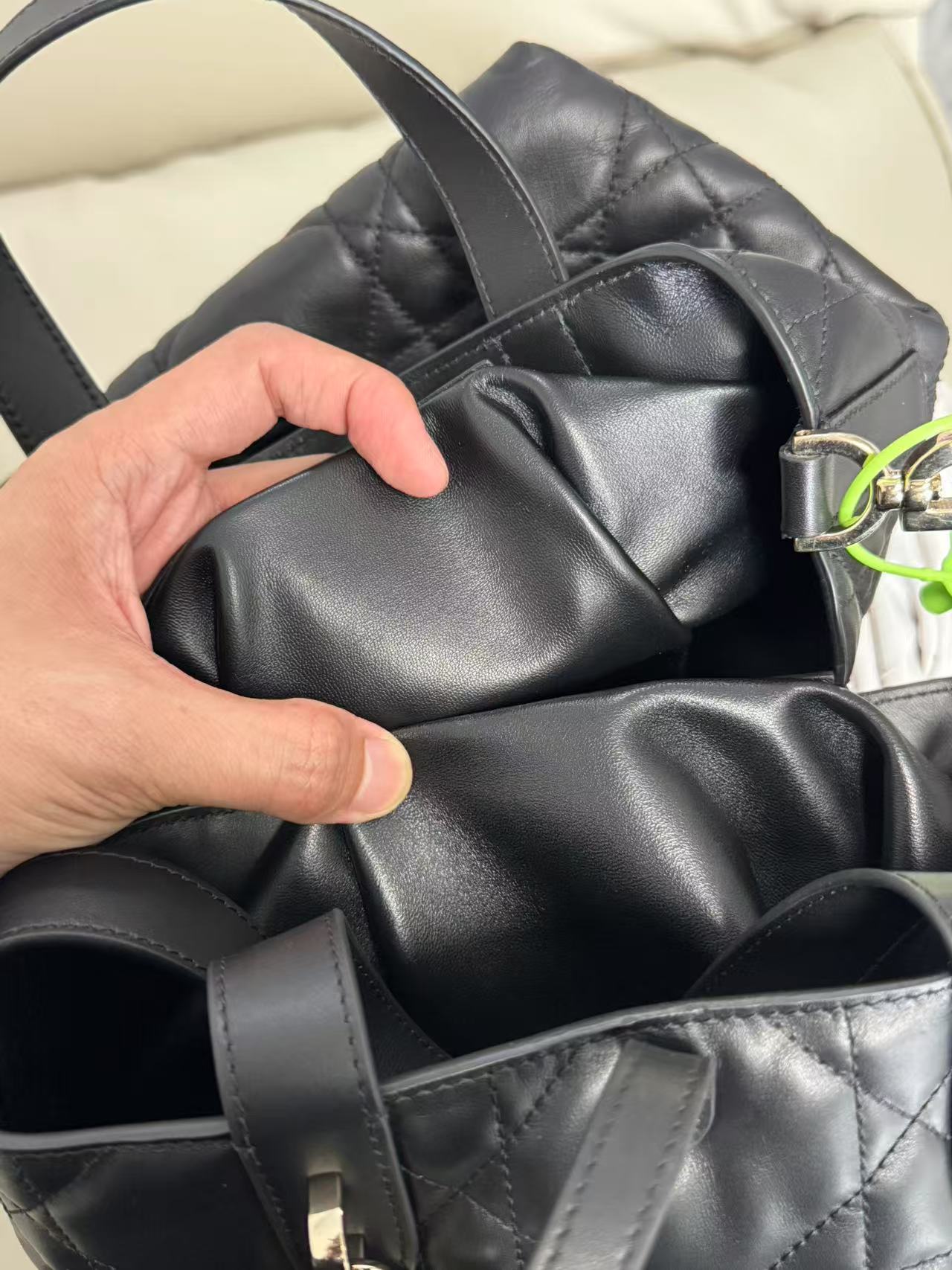
If you want to buy products in China, the fastest way is to visit wholesale markets like Yiwu Commodity City or Guangzhou’s markets. Many first-time buyers overcomplicate it — you don’t need a huge order. Most stalls welcome small quantities and cash payment. The key is to focus on one product category per trip and bring a sharp eye for quality.
Start at the Right Market
China has specialized markets for almost everything. For electronics, head to Huaqiangbei in Shenzhen. For toys and stationery, Yiwu is unmatched. For bags and textiles, Guangzhou’s Zhanxi Road is your spot. Each market has hundreds of stalls, so walk around first. Notice which stalls have the busiest workers — that’s where the best products usually are.
Check Quality Like a Pro
You can’t judge a product by a photo. Always touch the fabric, feel the stitching, and test the zippers. At a fabric market, rub the material between your fingers. At a garment stall, turn the product inside out to see the seam finish. Ask for a sample to take away — serious stalls often sell samples at cost.
Negotiate the Right Way
Don’t start with a lowball offer. Instead, ask for the wholesale price: “pifa jiage” (批发价格). Stall owners expect bargaining, but be respectful. Show interest in bulk and ask about stock availability. Many stalls keep inventory off-site, so confirm they can deliver quickly. If you need help, platforms like Soudangkou offer online stall directories to compare prices before you go.
Focus on Stock, Not MOQs
Many buyers worry about minimum order quantities (MOQs). But many stalls now offer low MOQs — sometimes just 10 pieces. Ask for “xianhuo” (现货 means stock on hand). This way you can see the product right away and take it with you. Soudangkou also lists stalls that provide ready stock, so you can skip the ordering wait.
Table: Key Steps for Buying from China Markets
| Step | Action | Tip |
|---|---|---|
| 1. Research | Find market and stall names | Use directories like Soudangkou for verified stalls |
| 2. Inspect | Touch fabric, check stitching, test zippers | Turn items inside out for hidden flaws |
| 3. Ask price | Request wholesale price (pifa jiage) | Compare 3+ stalls for same product |
| 4. Buy sample | Pay for one item to test | Most stalls sell samples at cost+10% |
| 5. Order stock | Negotiate MOQ and delivery | Ask for “xianhuo” to get instant stock |
Watch Your Language
You don’t need perfect Chinese. Learn a few phrases: “duoshao qian?” (how much), “pifa jiage?” (wholesale price), and “keyi xian kan kan ma?” (can I look first). Use translation apps for complex questions. Most stall owners in major markets can understand basic English numbers and product names.
Shipping and Customs
Once you buy, you need to get the goods home. Many markets have shipping offices inside the building. Use a freight forwarder for larger orders. Tell them the value of goods for customs. Keep all receipts — you’ll need them for tax and customs clearance.
FAQs
| Question | Answer |
|---|---|
| Can I buy just 1 item at wholesale price? | Usually no, unless it’s a sample. Wholesale price requires minimum quantity, often 10-100 pieces. |
| How do I avoid scams? | Stick to reputable markets and verified stalls. Use platforms like Soudangkou for reviews. Never pay full amount upfront. |
| Is cash better than card? | Yes, cash or Alipay/WeChat Pay are preferred for small transactions. Cards may have fees. |
| Do I need a business license? | Not for buying in person. For large exports, you may need a trading company. |
| How long does shipping take? | By sea: 20-40 days. By air: 3-7 days. Depends on destination. |
Buying products in China is straightforward once you know the drill. Visit the markets, check quality with your own hands, and negotiate politely. With these tips, you’ll source like a pro.
广州服装档口相关入口
继续查看相关市场和品类入口,方便对比档口微信、货源范围、拿货方向和试单前需要核实的信息。