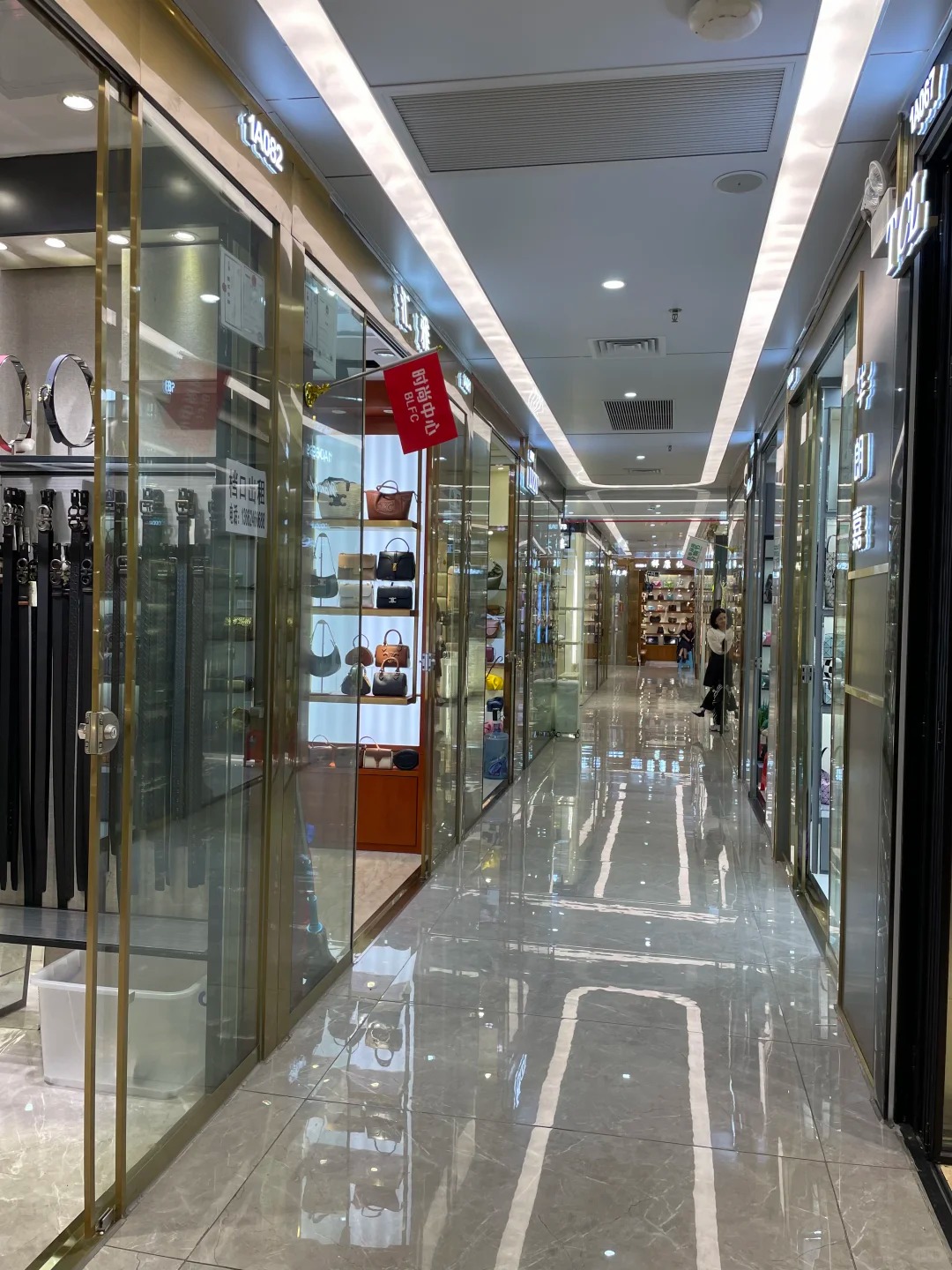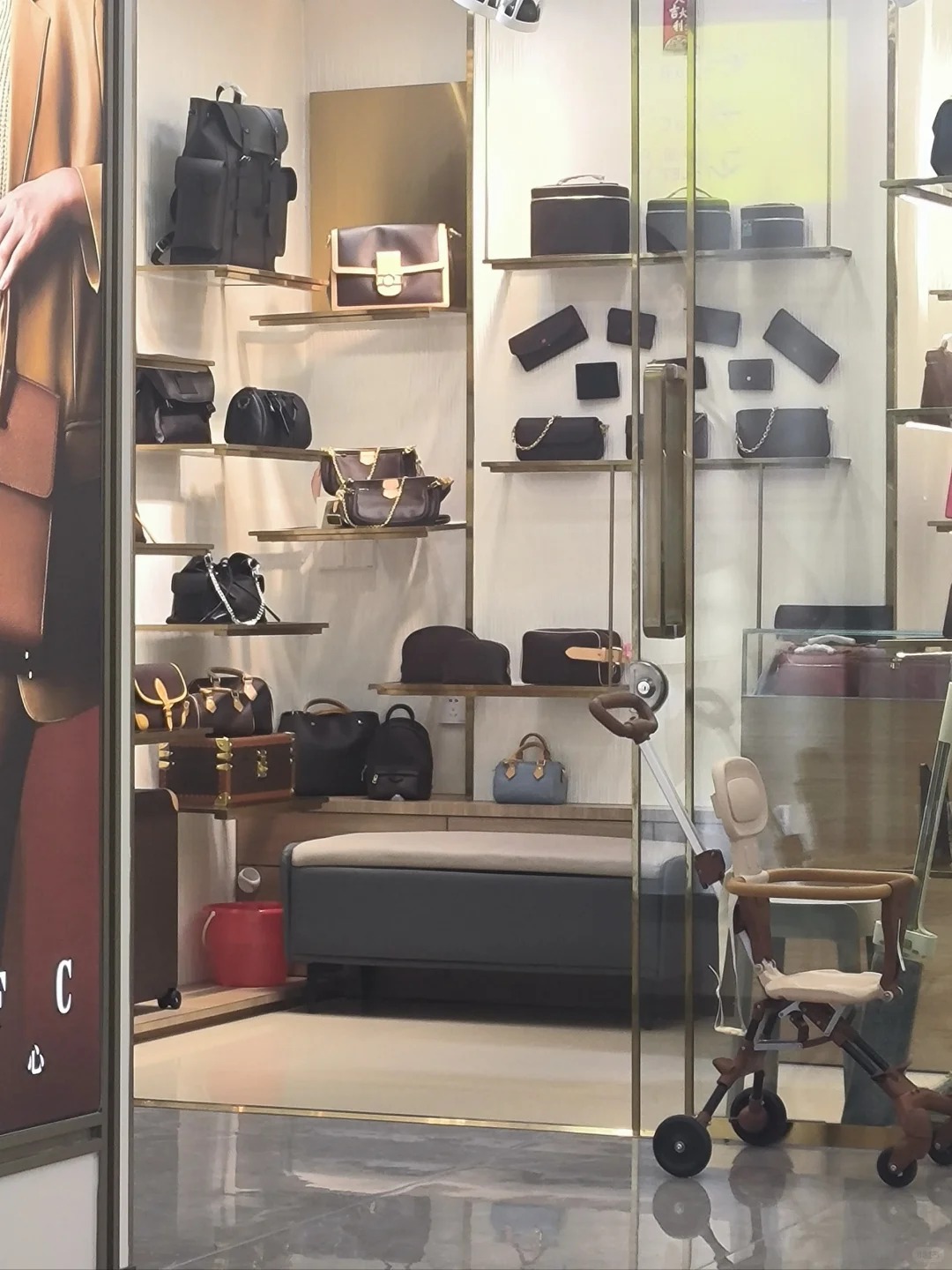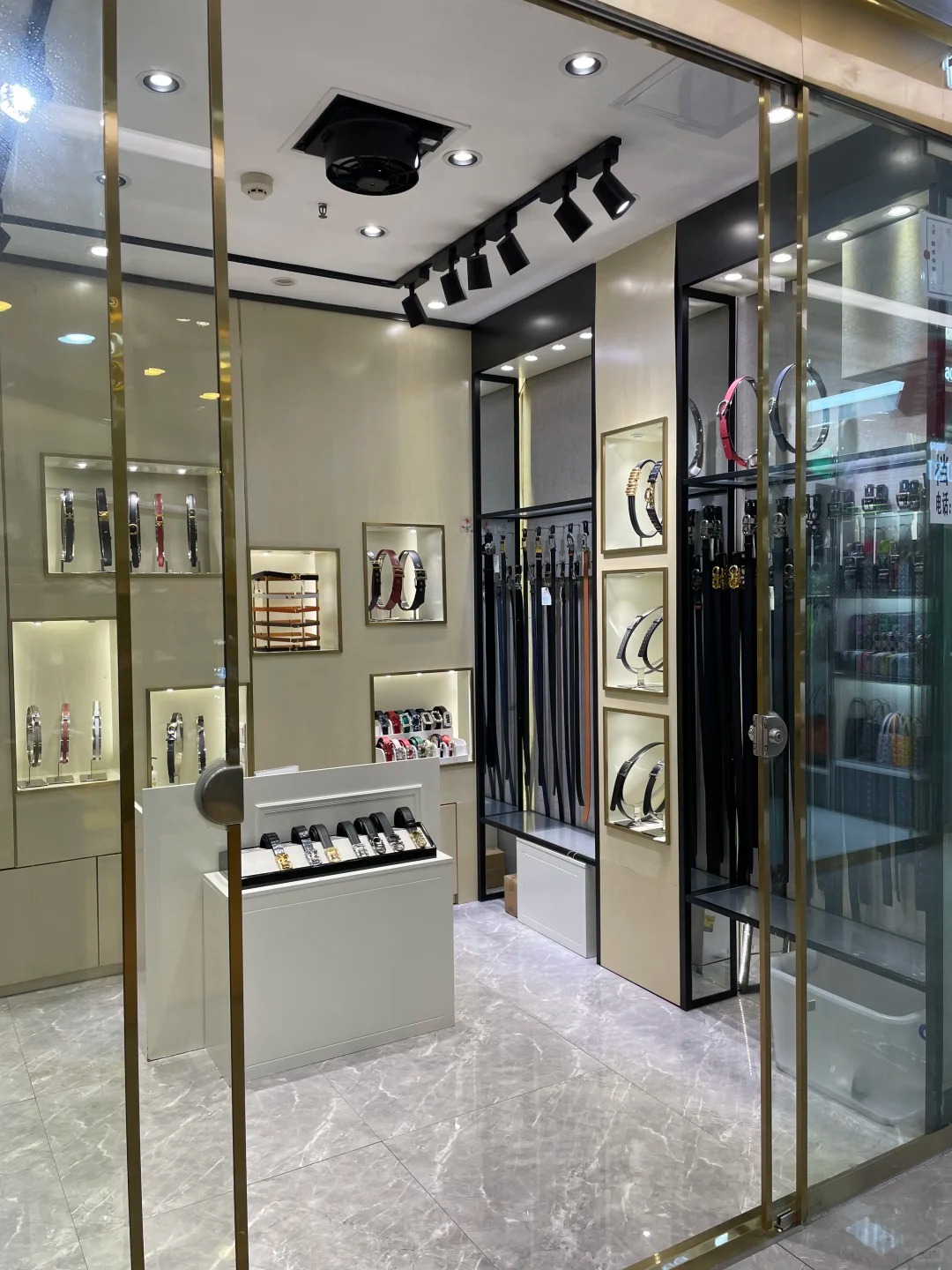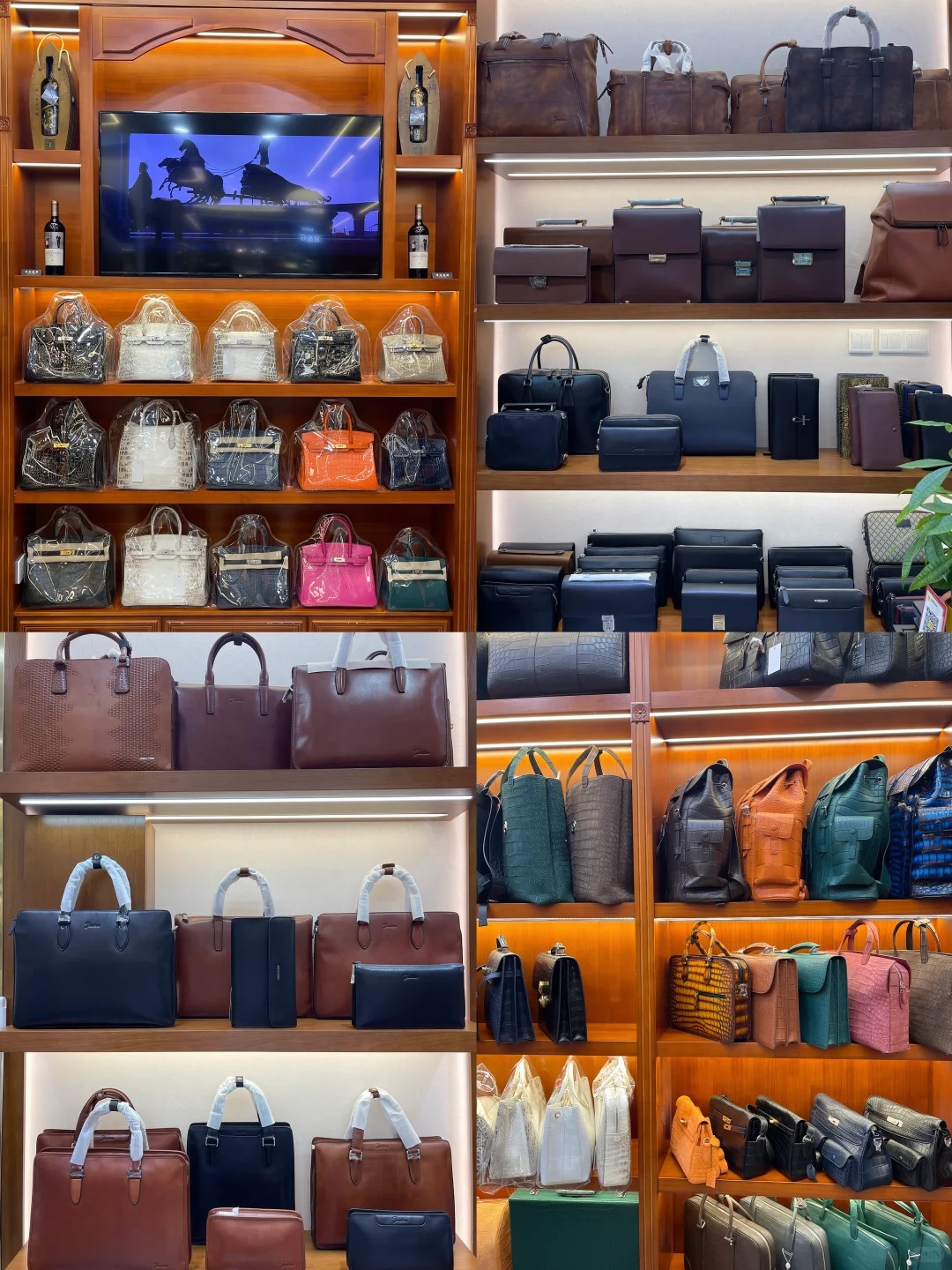
The fastest and most reliable way to buy stuff from China to sell is to visit a wholesale market in person or connect with a trusted sourcing agent. Skip the middlemen and go straight to the source—factories and market stalls in cities like Guangzhou, Yiwu, and Shenzhen. These markets offer you the chance to inspect fabric texture, stitching craftsmanship, and negotiate prices on the spot. Here’s exactly how to do it.
1. Target the Right Wholesale Markets
China’s wholesale markets are vast, but a few stand out for export-grade goods. Guangzhou’s Zhanxi Road and Shahe areas are legendary for clothing and accessories. Yiwu International Trade City is unbeatable for small commodities, toys, and home goods. Shenzhen’s Huaqiangbei dominates electronics. Each market has thousands of stalls, each specializing in a niche.
At these markets, you’ll find first-hand inventory—meaning the seller either manufactures directly or sources from nearby factories. This eliminates layers of markup.
2. Master the Art of Stall Inspection
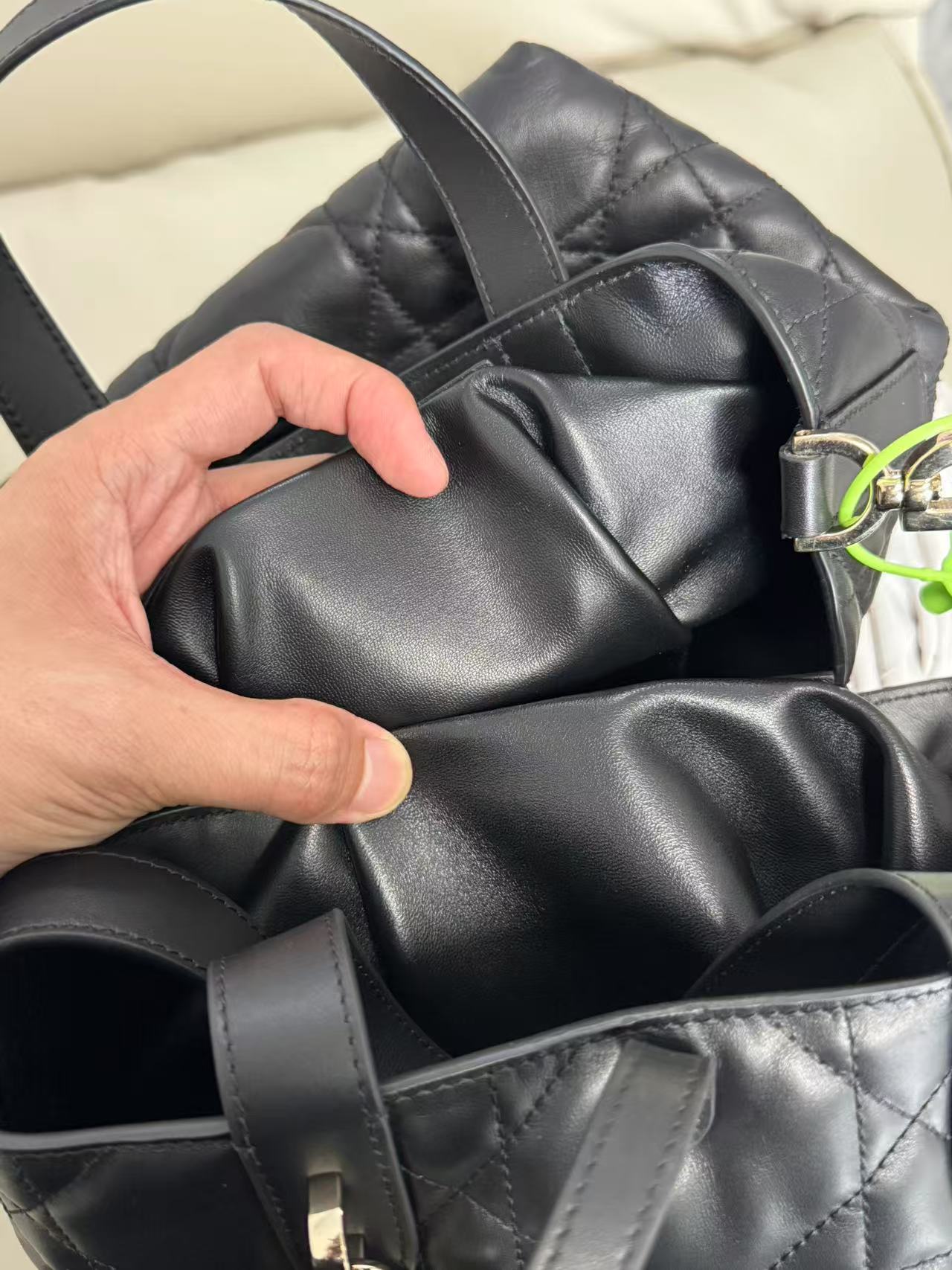
When you walk up to a stall, your first move is not to ask price—it’s to touch the fabric and examine the stitching. Pick up the item, feel the weight, and turn it inside out. Look for:
- Fabric Texture: Is it soft, stiff, or scratchy? Stretch it gently to see if it recovers. For example, a good cotton-polyester blend should feel breathable yet durable.
- Stitching quality: Check the seams. Are they straight? Loose threads are a red flag. Double-stitched seams on stress points (like pockets or zippers) indicate higher durability.
- Colorfastness: Rub a damp cloth on a colored area. If dye transfers, move on.
Don’t be shy to ask for a sample to take back to your hotel room for closer inspection. Most stalls will sell you one at a slightly higher price to cover their time.
3. Negotiation Tactics for First-Hand Stock
Prices at wholesale stalls are not fixed. The quoted price often includes a 10-20% markup for haggling. Here’s the routine:
- Start with a smile, then ask for the wholesale price in bulk. For example: “How much for 100 pieces?” They’ll likely drop the per-unit price significantly.
- Mention you’re a repeat buyer or testing for large orders. Even if it’s your first time, bluff a little. Stalls appreciate potential long-term business.
- Compare prices across 3-5 stalls for the same item. Use high-quality replicas as a benchmark (though avoid the “replica” word—stick to “similar design”).
Pro tip: Bring cash (RMB is safest). Many stalls give an extra discount for cash payments because they avoid card processing fees.
4. Shipping and Logistics Simplified
Once you’ve bought your stock, you need to get it back home. For small quantities (<10kg), use China Post or EMS. For larger orders, a freight forwarder is essential. Most wholesale markets have forwarder offices on-site. Key points:
- Consolidation: If you buy from multiple stalls, ask the forwarder to consolidate orders. This saves shipping costs.
- Customs clearance: Ensure your chosen forwarder includes this. Provide a detailed packing list with correct values to avoid issues.
- Insurance: Always declare the actual value and purchase insurance for at least the invoice amount.
Pro tip: Request the forwarder to take photos of your goods before shipping. This protects you if anything goes missing.
5. Common Pitfalls and How to Avoid Them
Pitfall 1: Fake samples. Some stalls show you a high-quality sample but ship lower-grade products. Solution: Ask to seal the sample with you or request that the stall ships from the sample batch. If possible, place a small test order first.
Pitfall 2: Minimum order quantities (MOQs) too high. Many stalls require MOQs of 100-500 pieces per color/style. Solution: Ask if they have “stock lots” or excess inventory. You can often buy as few as 10 pieces per design at a slight premium.
Pitfall 3: Language barrier. Most stall owners speak limited English. Use a translation app like Pleco or WeChat’s translate feature. Alternatively, hire a local sourcing agent for a day (around 500-800 RMB).
Frequently Asked Questions (FAQ)
| Question | Answer |
|---|---|
| Is it cheaper to buy from China and sell locally? | Yes, if you source first-hand inventory at wholesale markets. Margins can be 20-60% depending on product and market demand. |
| How much stock should I buy on my first trip? | Start with 20-50 pieces per design to test your market. Avoid bulk commitments until you understand your customers’ preferences. |
| What’s the best way to pay Chinese suppliers? | Cash for small amounts, or use bank transfer for larger orders. Avoid PayPal due to high fees and limited buyer protection. |
| Can I buy stuff from China without traveling there? | Yes, via platforms like Soudangkou, but for first-hand inventory, visiting markets gives you quality control and better prices. A virtual agent can also help. |
| How do I check fabric and stitching quality remotely? | Request high-resolution photos and a video call. Use a magnifying glass to check stitch count. Ask for a sample shipment before bulk order. |
| What products are easiest to sell from China? | Clothing, electronics accessories, home decor, and toys are perennial bestsellers. Avoid bulky or high-shipping-cost items until you have a proven model. |
| Are there counterfeit risks at wholesale markets? | Yes, especially in electronics and luxury goods. Stick to unbranded or generic products. If a deal seems too good, it probably is. |
Final Thoughts: Your Sourcing Game Plan
Buying stuff from China to sell is a proven business model, but success hinges on quality control and relationships. Start small, inspect everything, and build trust with a few key stall owners. Over time, you can scale your orders and even negotiate exclusive partnerships. For those who cannot travel, platforms like Soudangkou offer a digital bridge to these wholesale markets, though they lack the tactile feel of physical inspection.
Remember: The best sourcing decisions are made with your hands, not just your eyes. If the fabric feels good and the stitching is tight, you’ve likely found a winner.
广州服装档口相关入口
继续查看相关市场和品类入口,方便对比档口微信、货源范围、拿货方向和试单前需要核实的信息。