
Introduction
The hard truth: most consumer goods are made in China. But if you need to avoid Chinese manufacturing for geopolitical, quality, or branding reasons, here’s your reality check: you’ll pay more, lead times will be longer, and minimum order quantities will be higher. Yet, there are legitimate routes to source from Vietnam, India, Bangladesh, Turkey, and Mexico. This guide focuses on wholesale market stalls and spot stock—not factory-direct orders. We’ll tell you exactly what to look for in fabric, stitching, and finish so you don’t get stuck with inferior goods.
Why You Might Want to Avoid Chinese Goods
Geopolitical & Tariff Concerns
If you import to the US, EU, or other markets with recent tariffs on Chinese goods, shifting production can slash your landed cost. For example, Vietnam-made apparel avoids certain Section 301 tariffs.
Perceived Quality & Worker Standards
Some buyers worry about Chinese labor conditions or material quality. While China has top-tier factories, there’s a widespread belief that other countries produce “safer” or “higher-end” goods. We’re here to debunk myths: a Vietnamese factory might offer better stitching because of lower turnover, but a Chinese workshop can match that if you pay for premium.
“Made in [Country]” Marketing
Certain markets prefer Italian leather, Turkish textiles, or Indian handicrafts. If your brand story demands origin diversity, sourcing outside China is a must.
Where to Find Non-China Suppliers (Domestic & International)
Wholesale Market Stalls: The Spot Stock Advantage
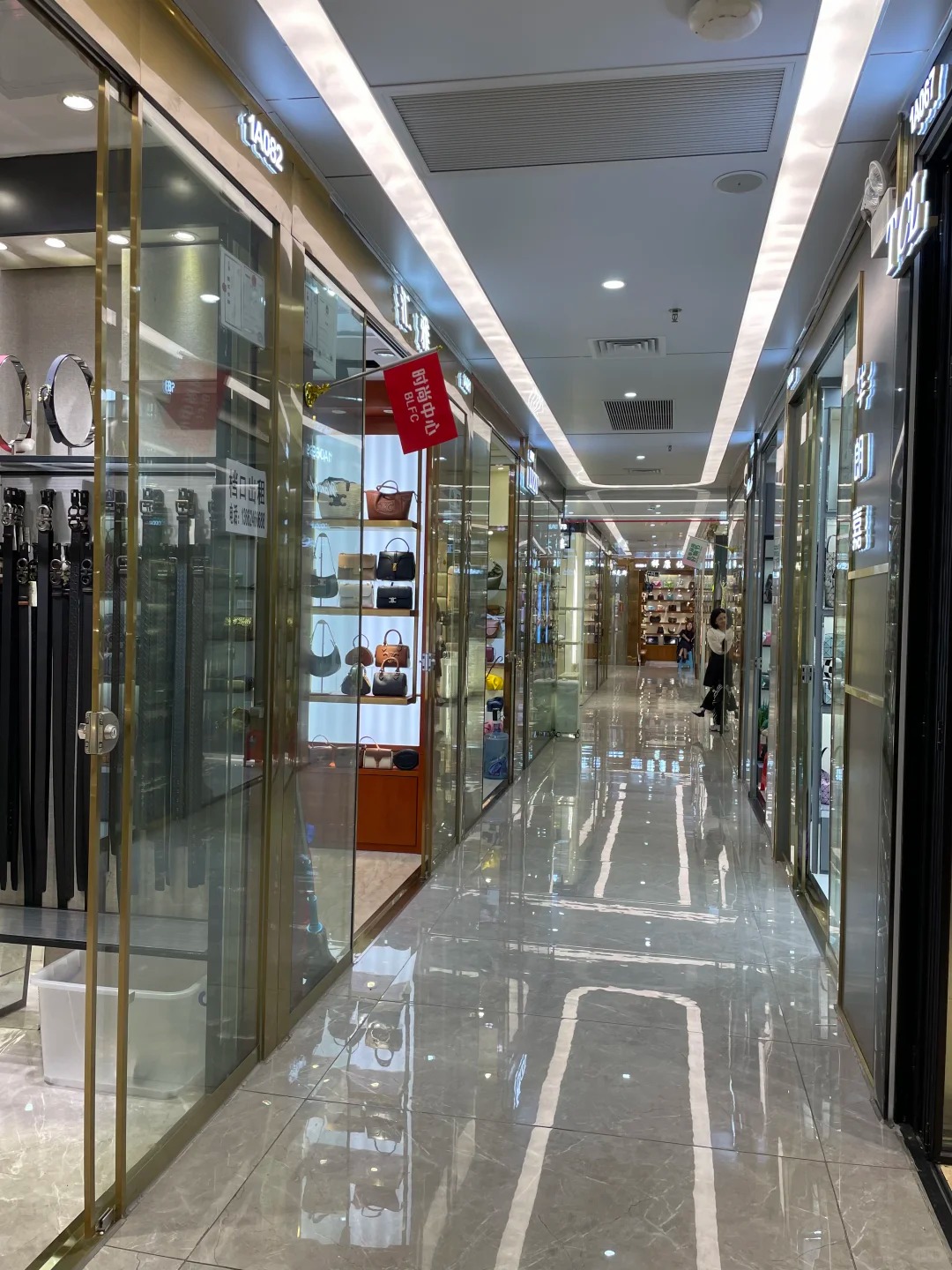
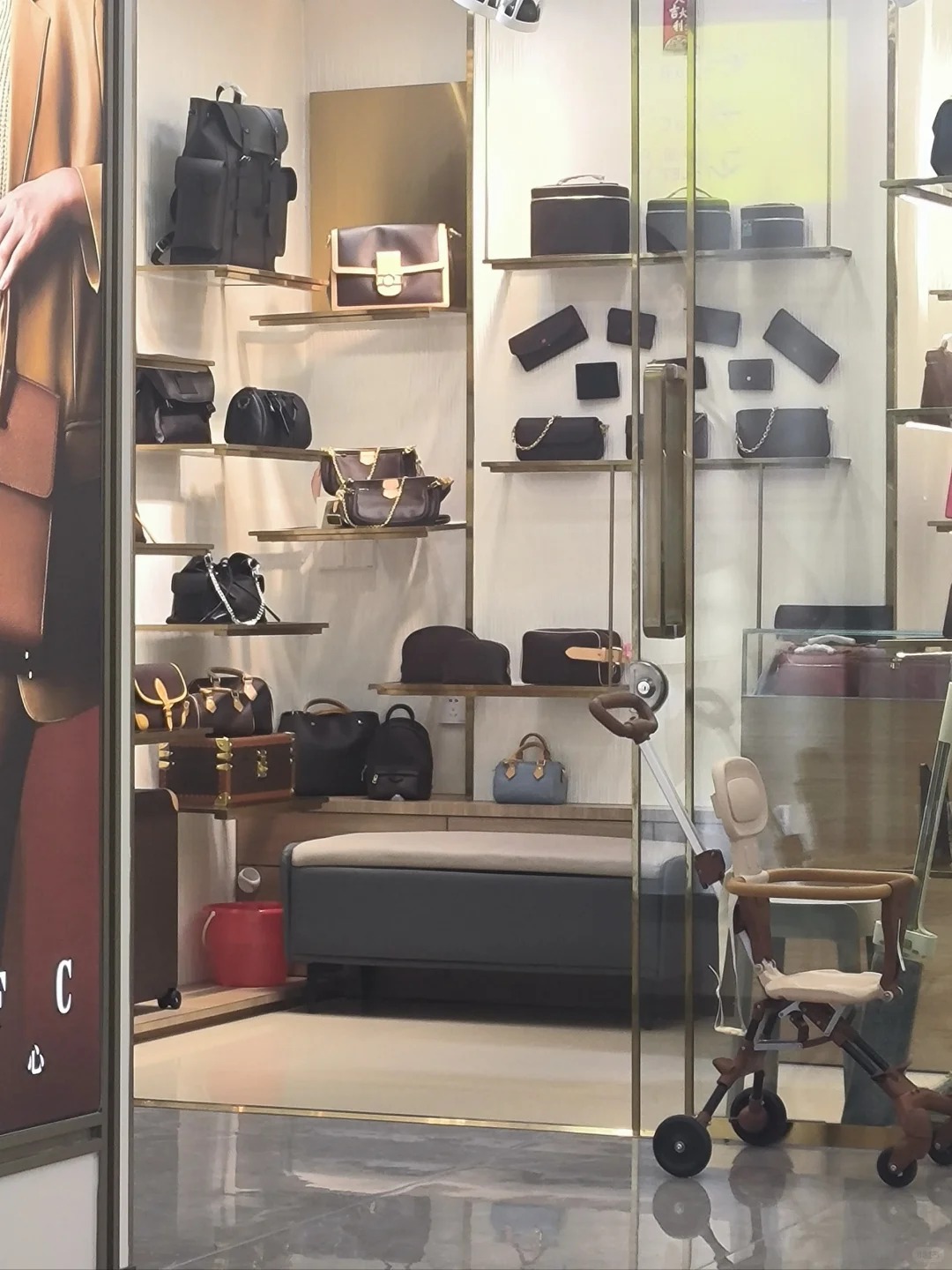
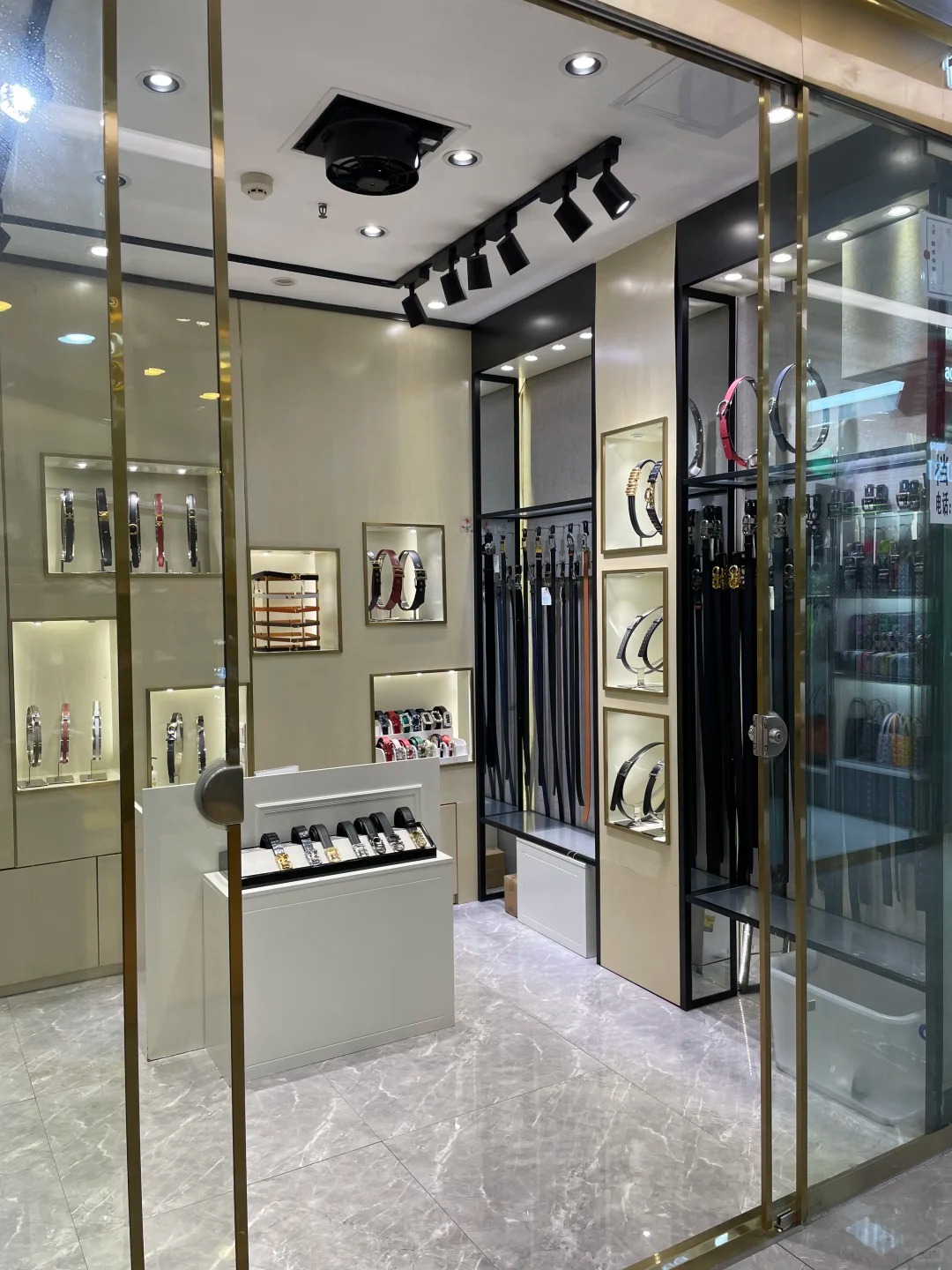
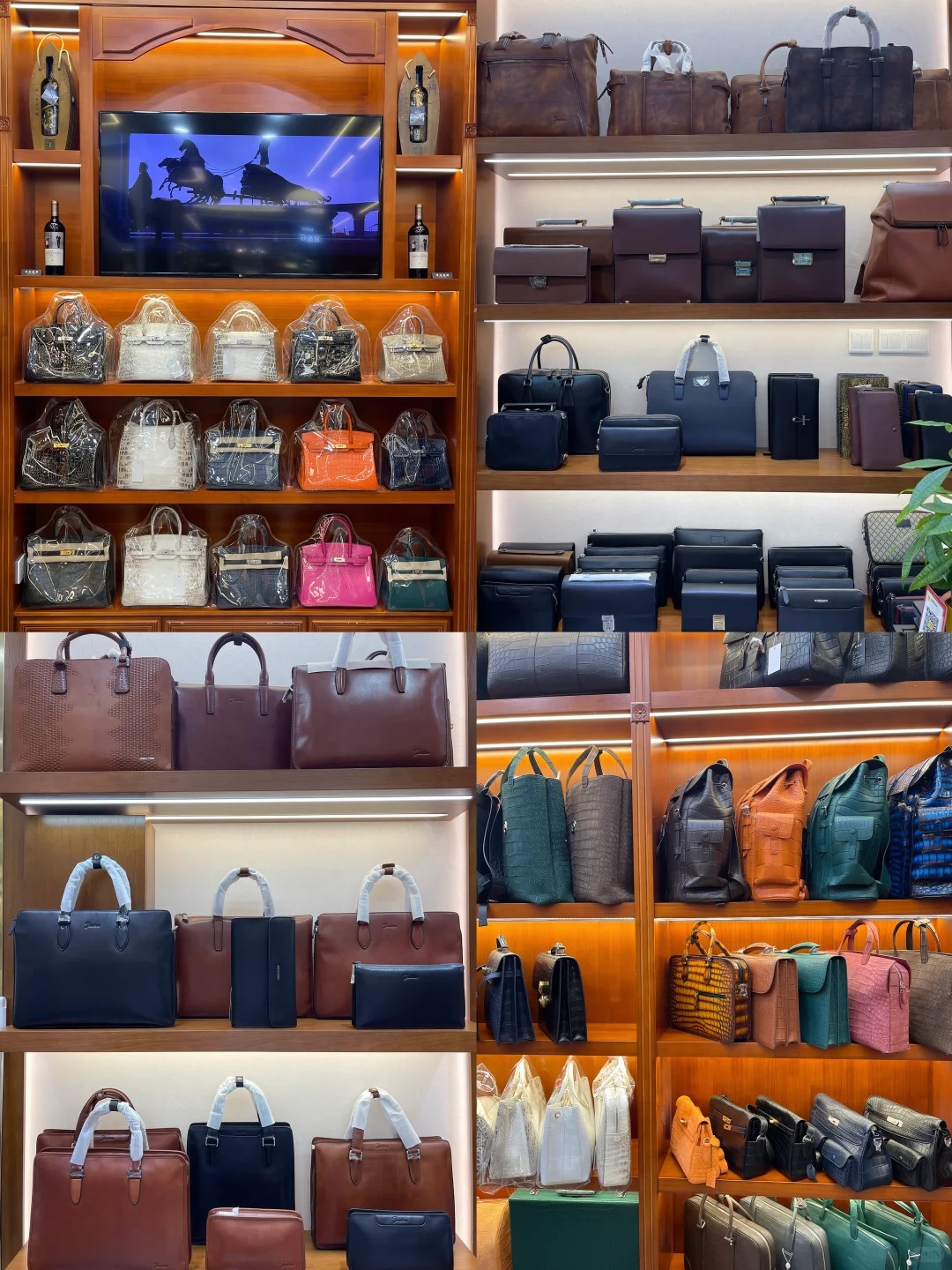
Instead of scouring Alibaba, visit physical markets in Dubai, Istanbul, Mexico City, or Ho Chi Minh City. These stalls carry spot goods—actual inventory you can touch, feel, and buy immediately. No MOQ nightmares, no container shipping delays.
What to Look for at the Stall
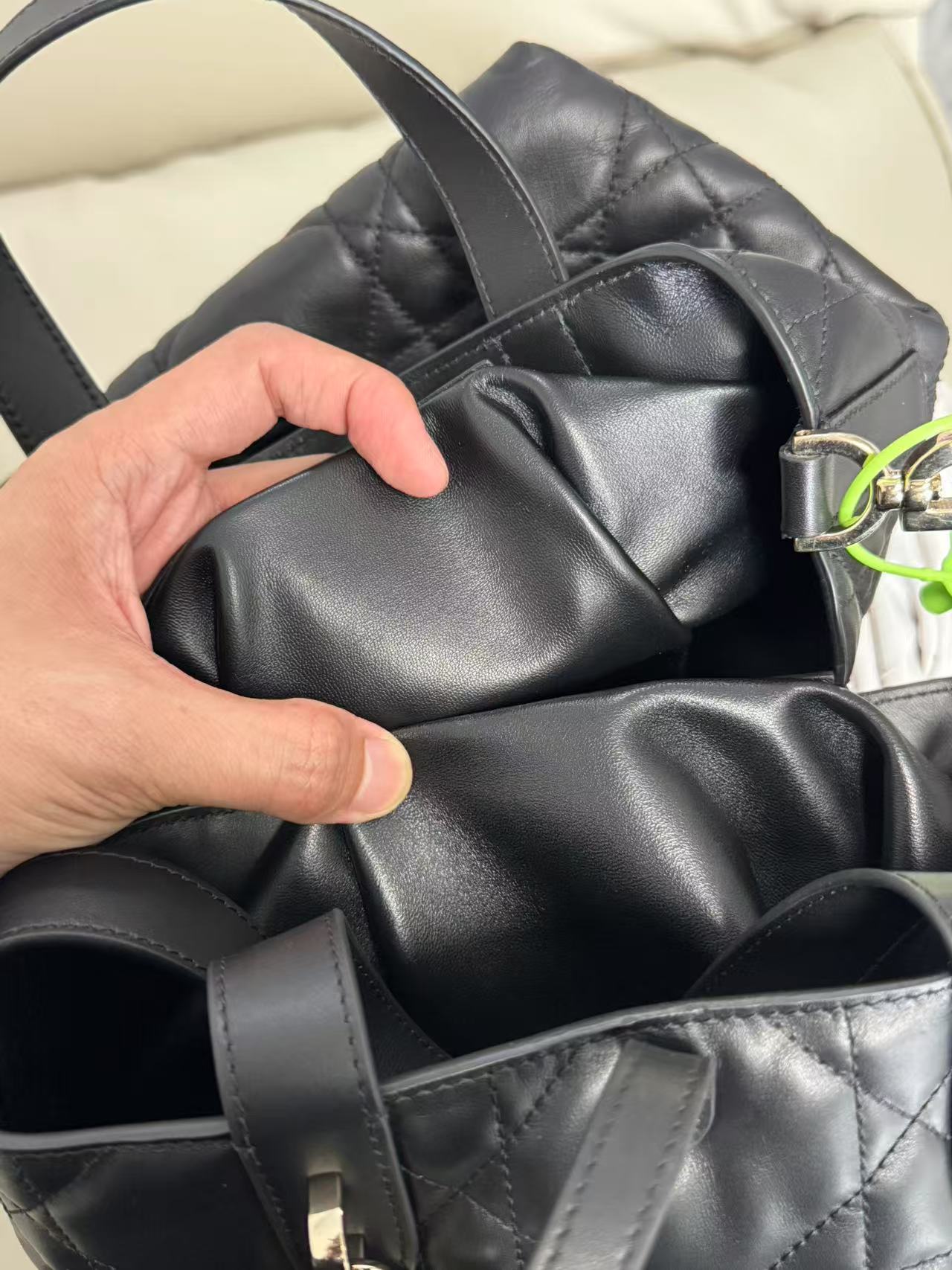
- Fabric feel: For apparel, pinch the fabric. If it snaps back, it has decent elastane. If it stays creased, it’s low-quality. Look for even weave and no loose threads.
- Stitching: Check hems and seam allowances. A curved seam should have 8-10 stitches per inch. Straight lines should be parallel. If you see skipped stitches, walk away.
- Finish: Examine buttons, zippers, and labels. A smooth zipper made by YKK (Japan) or a reputable brand is a good sign. Burrs or sharp edges mean poor quality control.
Alternative Sourcing Platforms
- Global Sources: They have physical trade shows in Hong Kong, but also list suppliers from Taiwan, Korea, and India.
- Tradeindia.com & IndiaMART: For Indian textiles, handicrafts, and generic items.
- Vietnam Trade Office: They can provide lists of certified exporters.
Key Differences: Chinese vs. Non-China Products
| Aspect | China-Made | Non-China (Vietnam, India, etc.) |
|---|---|---|
| Price | Usually 20-40% lower | Higher, but can be competitive for niche goods |
| Minimum Order Quantity | Low (100-500 pcs) | Often 1000+ pcs |
| Lead Time | 2-4 weeks for own design | 4-8 weeks or more |
| Quality Consistency | Variable, but high-tier factories are excellent | Generally more consistent for basic items |
| Spot Stock Availability | Abundant in Chinese markets | Limited in Western markets; better in local hubs |
Frequently Asked Questions (FAQ)
| Question | Answer |
|---|---|
| Is it possible to find spot stock from non-China factories? | Yes, but you’ll need to visit regional trade hubs. For example, Dubai’s Dragon Mart has a mix of Chinese and Indian goods. Turkey’s Laleli and Istanbul markets offer European-style products. India’s Nehru Place in Delhi has electronics from local manufacturers. |
| How do I verify the country of origin? | Check labels, but be aware that some suppliers mislabel. Request certificates of origin (COO) and insist on seeing manufacturing papers. For spot stock, look for “Made in [Country]” labels that are sewn into the seam, not just a sticker. |
| Can I buy just one sample without committing to an order? | At wholesale stalls, very rare. Most require a minimum purchase of a dozen or a case. If you need samples, try online B2B platforms like TradeIndia—they often ship samples for a fee. |
| Are non-China products always more expensive? | No. For example, Indian cotton shirts can be competitive with Chinese ones because India has lower cotton costs. But generally, you’ll pay a 15-30% premium for the “not made in China” label. |
| What about quality? Are they better? | Not automatically. A top-tier Chinese factory beats a small workshop in Bangladesh. Focus on the supplier’s reputation and inspect the goods yourself. |
Practical Tips for Spot Stock Buyers
- Negotiate small lots: Even if MOQ is high, ask if they have “overstock” or “slightly flawed” items—these are often sold at deep discounts in cash.
- Use local agents: In hubs like Istanbul or Mexico City, hire a freelance buyer who knows the market. They can find stalls with the best fabric and negotiate on your behalf.
- Check for carbon copies: Some non-China factories actually source components from China. A “Made in Vietnam” shirt may have Chinese buttons. That’s fine, but know your supply chain.
- Test small first: Buy 10-20 units, test the product in your own market. If it sells, then ramp up.
Final Word
Avoiding Chinese manufacturing is possible but requires more legwork. For B2B buyers, wholesale market stalls offer the fastest route to spot stock, but you must inspect fabric, stitching, and finish personally. Platforms like Soudangkou (soudangkou.com) aggregate some non-China sources, but always verify. Remember: there’s no magic bullet—every country has its own strengths and weaknesses.
广州服装档口相关入口
继续查看相关市场和品类入口,方便对比档口微信、货源范围、拿货方向和试单前需要核实的信息。