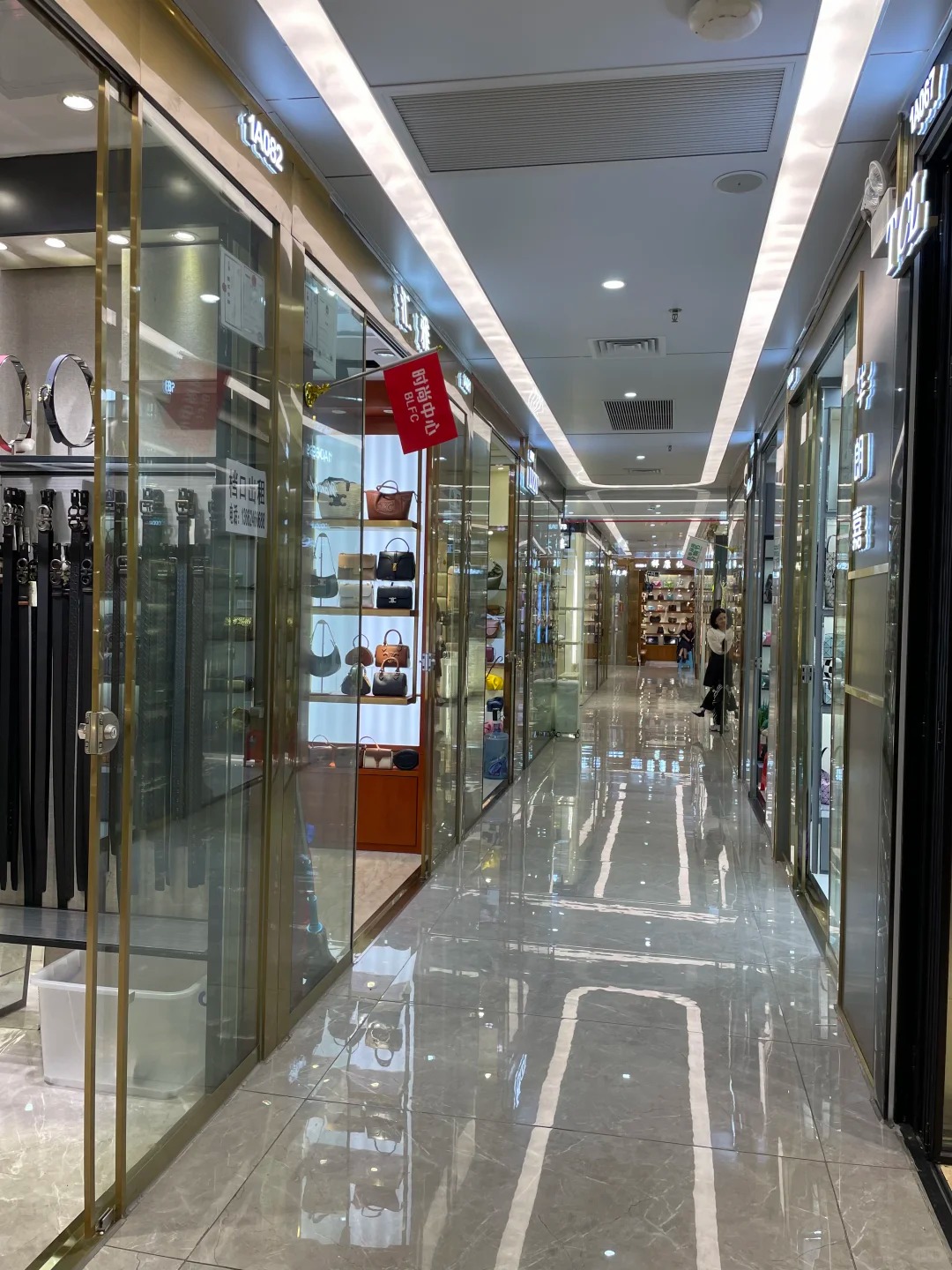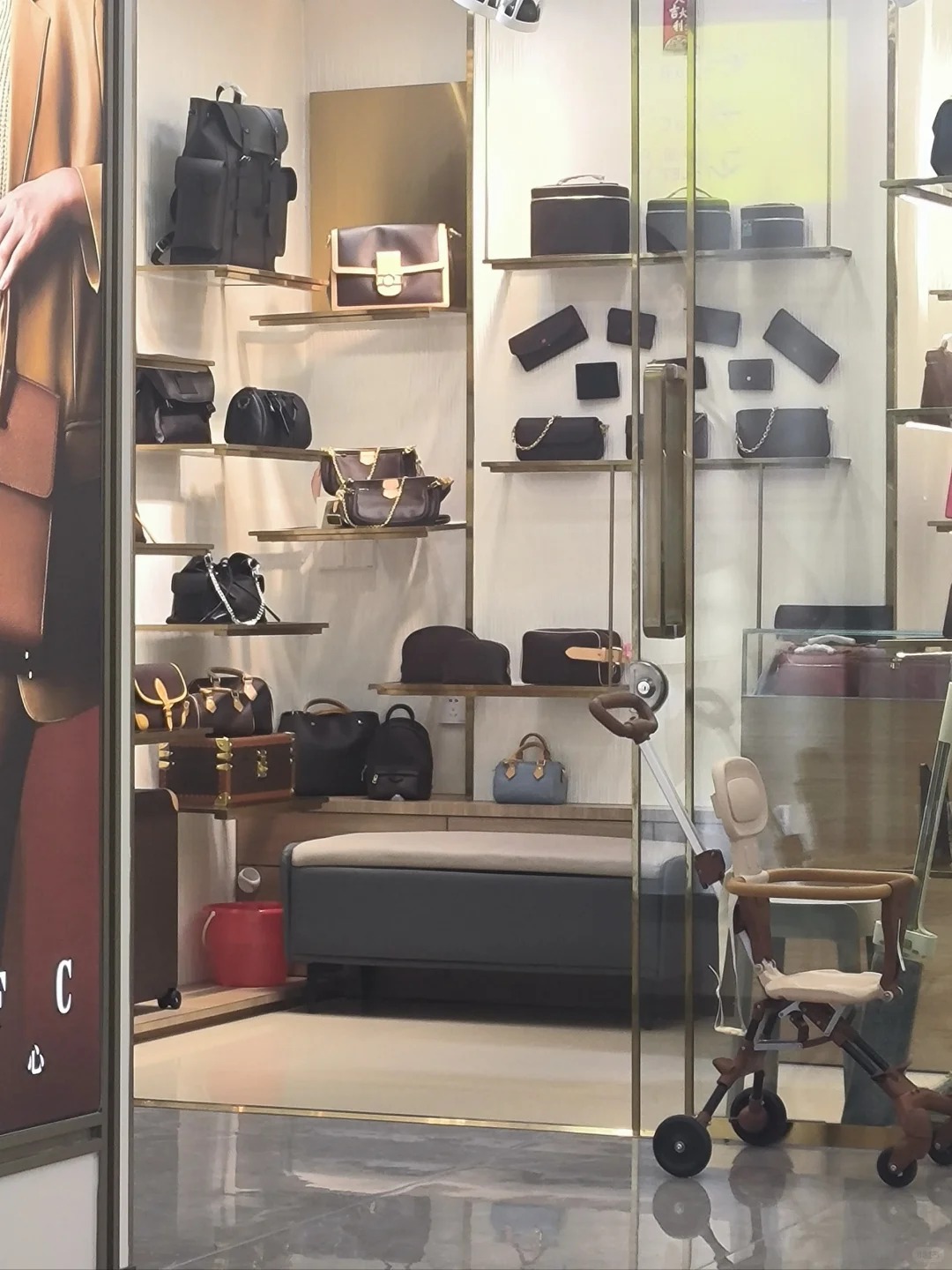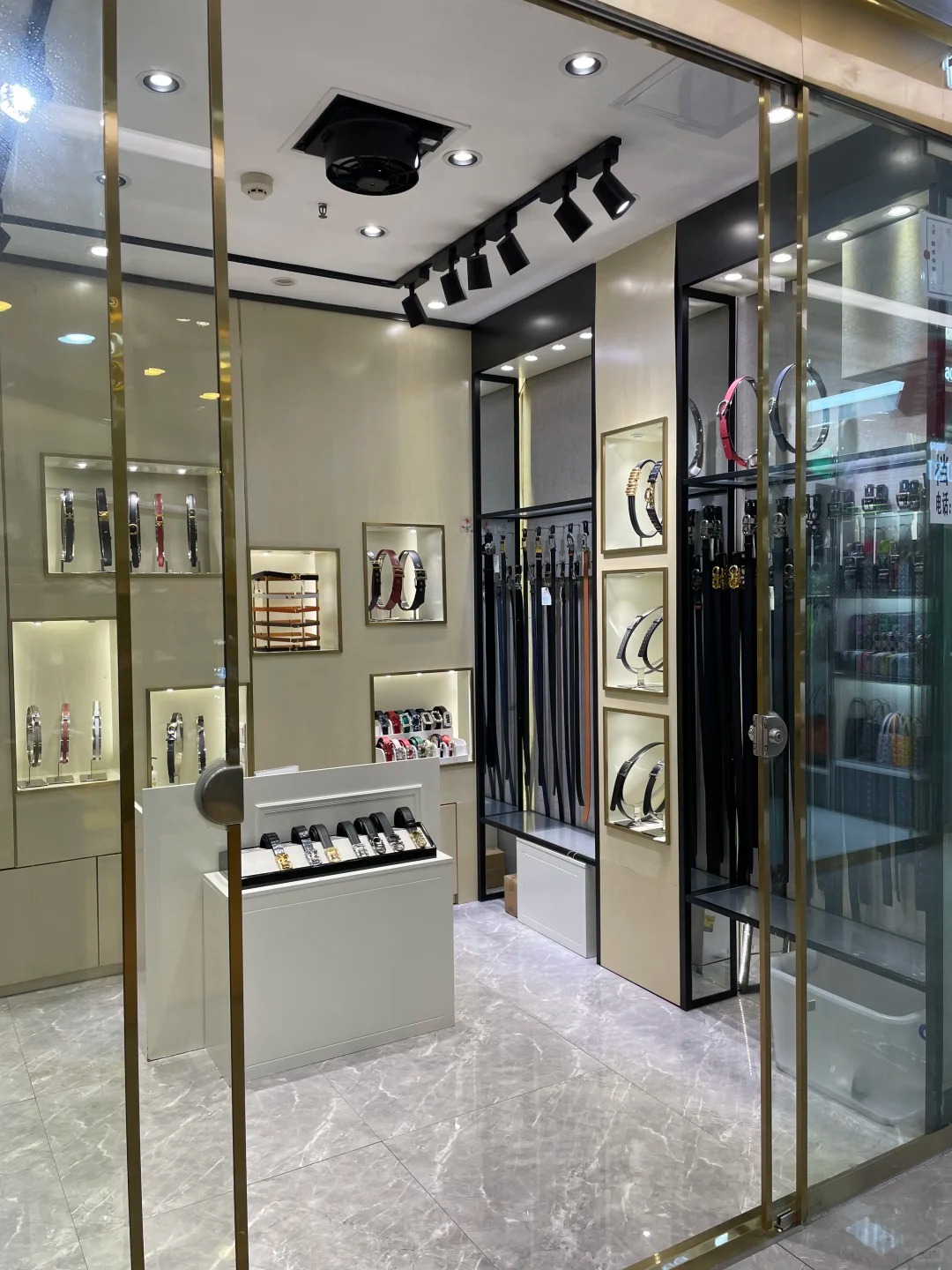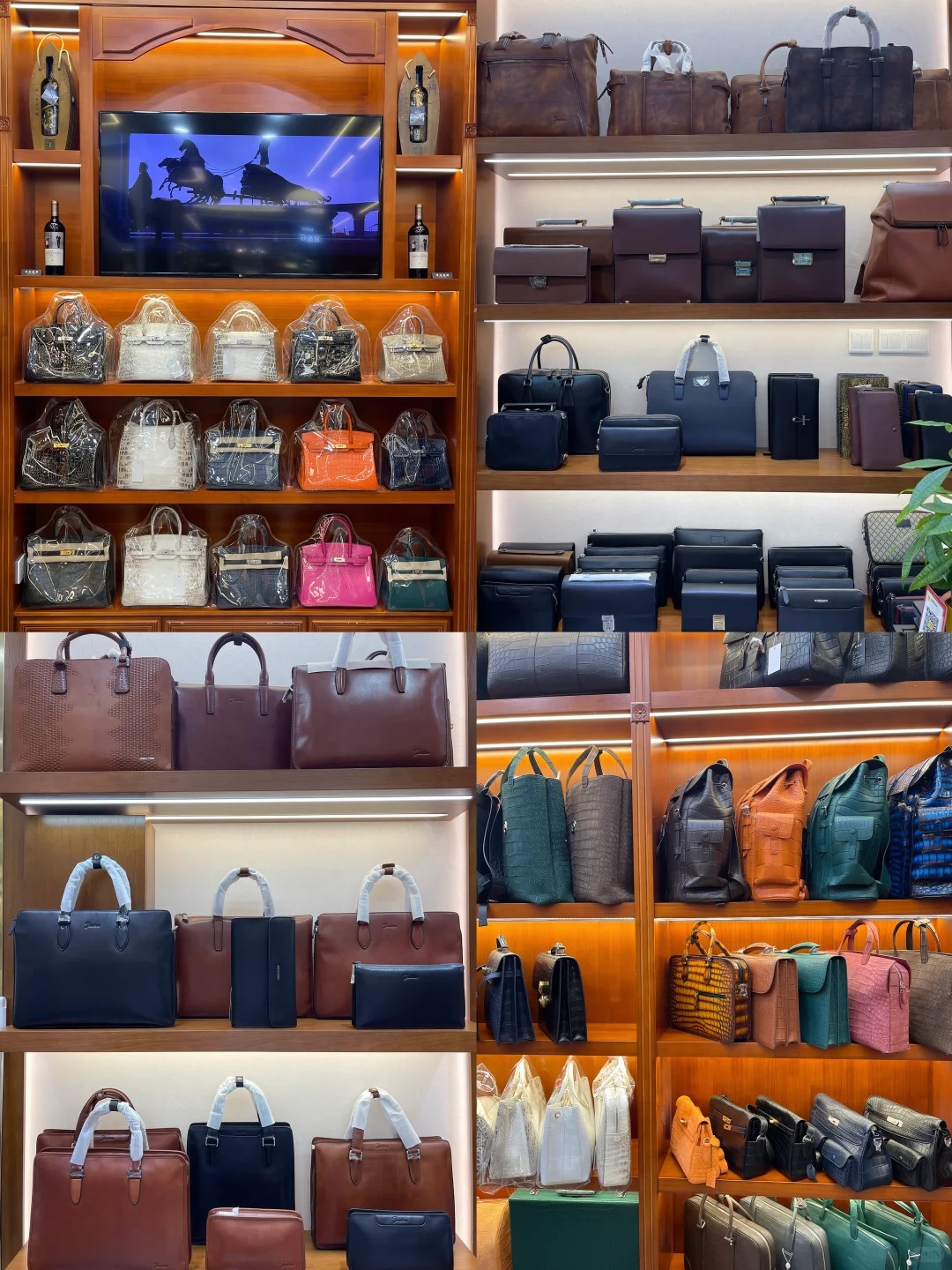

If you’re asking ‘how to stop buying made in china’, the short answer is: shift your sourcing to alternative manufacturing hubs and local wholesalers, but don’t ignore China’s strengths entirely. This guide goes beyond simple boycotts. As a wholesale market insider, I’ll show you practical steps to diversify your supply chain, negotiate with factory-direct stalls, and secure high-quality goods from other countries—without sacrificing margins.
Why You Might Want to Stop Buying Made in China
Global tariffs, rising labor costs in China, and supply chain risks have pushed many buyers to look elsewhere. Geopolitical tensions and the desire for ‘locally made’ labels also drive the shift. However, ‘made in China’ isn’t synonymous with low quality. Many stalls at markets like Soudangkou offer OEM-quality goods with better lead times. The key is to know what to look for.
Alternative Sourcing Countries & Wholesale Markets
Vietnam: The Rising Star for Textiles & Footwear
Vietnam has become a top alternative for apparel and shoes. Ho Chi Minh City’s wholesale markets, such as Ben Thanh or Binh Tay, offer competitive prices. But be prepared: minimum order quantities (MOQs) are higher here than at Chinese stalls. You’ll need to inspect fabric hand-feel and stitching carefully—many Vietnamese factories use Chinese machinery, so quality can be identical.
Bangladesh & India: For High-Volume Basics
Bangladesh excels in cotton basics like t-shirts and denim. The Dhaka wholesale district is chaotic but yields low prices. India’s textile hubs like Tirupur and Ludhiana offer better design flexibility. However, logistics and customs can be slower. A pro tip: always request samples before placing bulk orders, and specify thread count and stitch density (e.g., 12 stitches per inch).
How to Negotiate with Market Stalls Like a Pro
- Ask for ‘first-hand goods’ (一手现货) – this signals you know about factory-direct inventory.
- Test the fabric: bring a lighter to check for synthetic blends; real cotton chars, polyester melts.
- Check the inner seams: if they’re unfinished or loose, the item is low-grade.
- Use silence as a negotiation tactic – after the stall owner quotes a price, pause for 10 seconds. Often they’ll drop it.
Local Sourcing: The Zero-Import Option
If your goal is to eliminate imports entirely, look for domestic manufacturers. In the US, platforms like ThomasNet or Maker’s Row connect buyers with local factories. The cost per unit may be 30-50% higher, but you gain speed and ‘made in USA’ marketing appeal. For wholesale, explore local trade shows like the Atlanta Apparel Mart or Las Vegas Market.
FAQ: How to Stop Buying Made in China
| Question | Answer |
|---|---|
| Is it possible to completely stop buying Chinese goods? | Yes, but it requires switching to costlier alternatives or domestic production. Some components (like electronics) are hard to replace. |
| What are the best countries for apparel? | Vietnam (mid-range), Bangladesh (budget), India (cottons), Indonesia (designer goods). |
| How do I verify quality without visiting? | Request sample swatches and use third-party inspection services like QIMA or SGS. |
| Can I negotiate lower MOQs? | Often yes, if you pay a 10-20% premium per unit. Markets like Soudangkou sometimes allow mixed boxes. |
| What about tariffs and shipping? | Some countries have trade agreements; check rules of origin to reduce duties. For land borders, consider Mexico or Canada. |
| How fast can a new supplier deliver? | Asian markets: 2-4 weeks for bulk. Local suppliers: 1-2 weeks. |
| Do I need to speak the language? | Not necessarily; many stall owners speak basic English. Use translation apps and a local agent for complex deals. |
Final Thoughts: The Smart Strategy Isn’t a Total Ban
The most profitable approach is to diversify: keep sourcing high-value items from Chinese wholesale markets like Soudangkou, while shifting basics to other countries. This hedges risk without sacrificing quality. Remember, the ‘made in China’ label on a well-made stall item often equals the same factory producing for international brands. Skip the politics, focus on the seams and the price per unit.
广州服装档口相关入口
继续查看相关市场和品类入口,方便对比档口微信、货源范围、拿货方向和试单前需要核实的信息。