
The short answer: You can’t avoid Chinese manufacturing entirely, but you can avoid low-quality, fake, or mislabeled goods by verifying stitching, fabric, and sourcing from reputable wholesale markets. Many products labeled elsewhere are still made in China. The key is to identify authentic craftsmanship, not country of origin.
Why “Not Made in China” Is a Myth
Global supply chains mean components from China. Even luxury brands manufacture there. Instead of avoiding China, learn to spot quality.
How to Spot Fake Made in China Labels
1. Inspect Stitching
Look for tight, straight stitches (8–12 per inch). Loose threads mean poor quality.
2. Feel the Fabric
Natural fibers (cotton, linen) vs. cheap synthetics. Rub fabric—pilling indicates low quality.
3. Check Labels and Tags
Fake labels often have misaligned text or flimsy material. Authentic ones are heat-sealed or stitched neatly.
Where to Source Authentic Chinese Goods
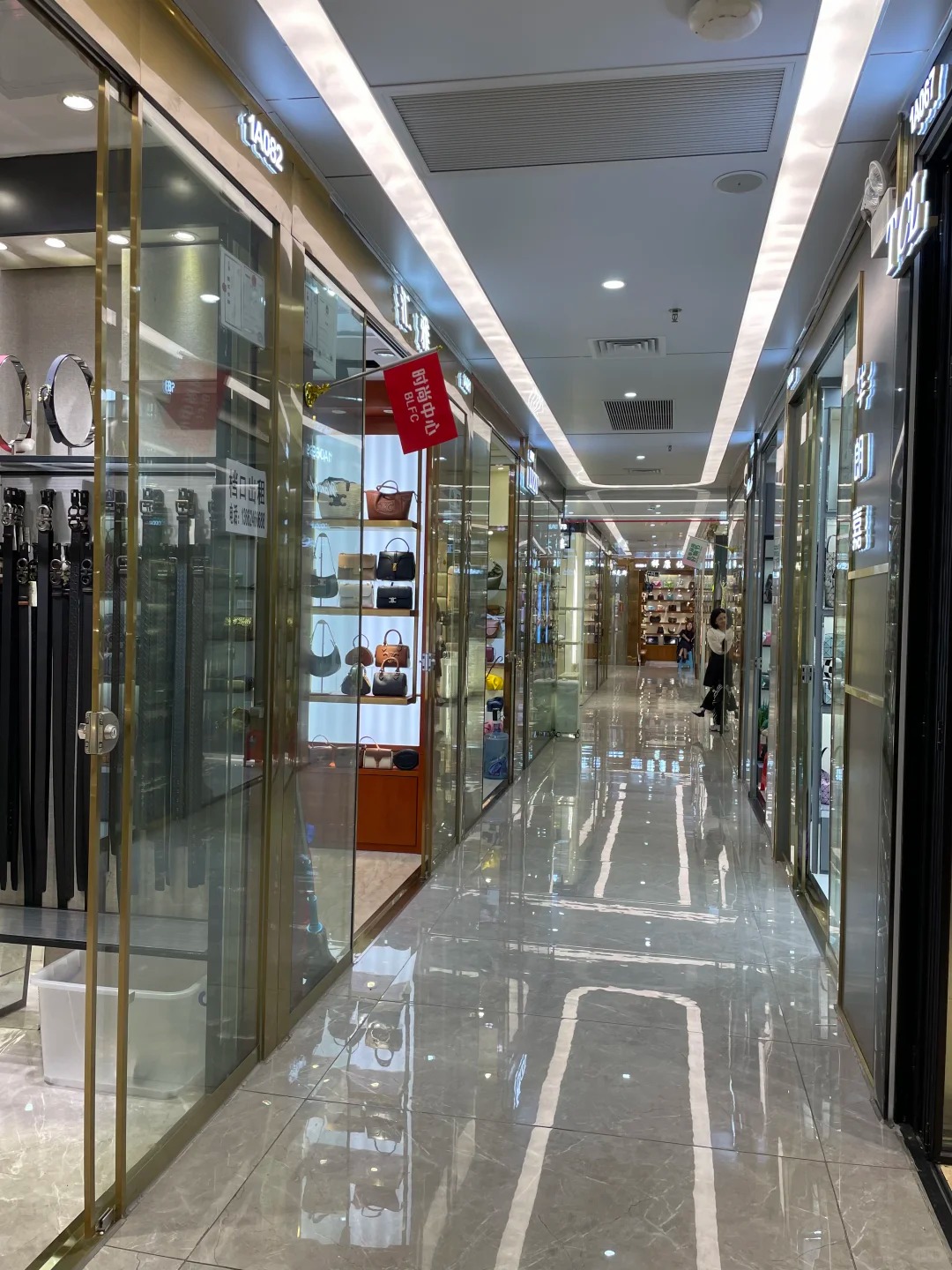
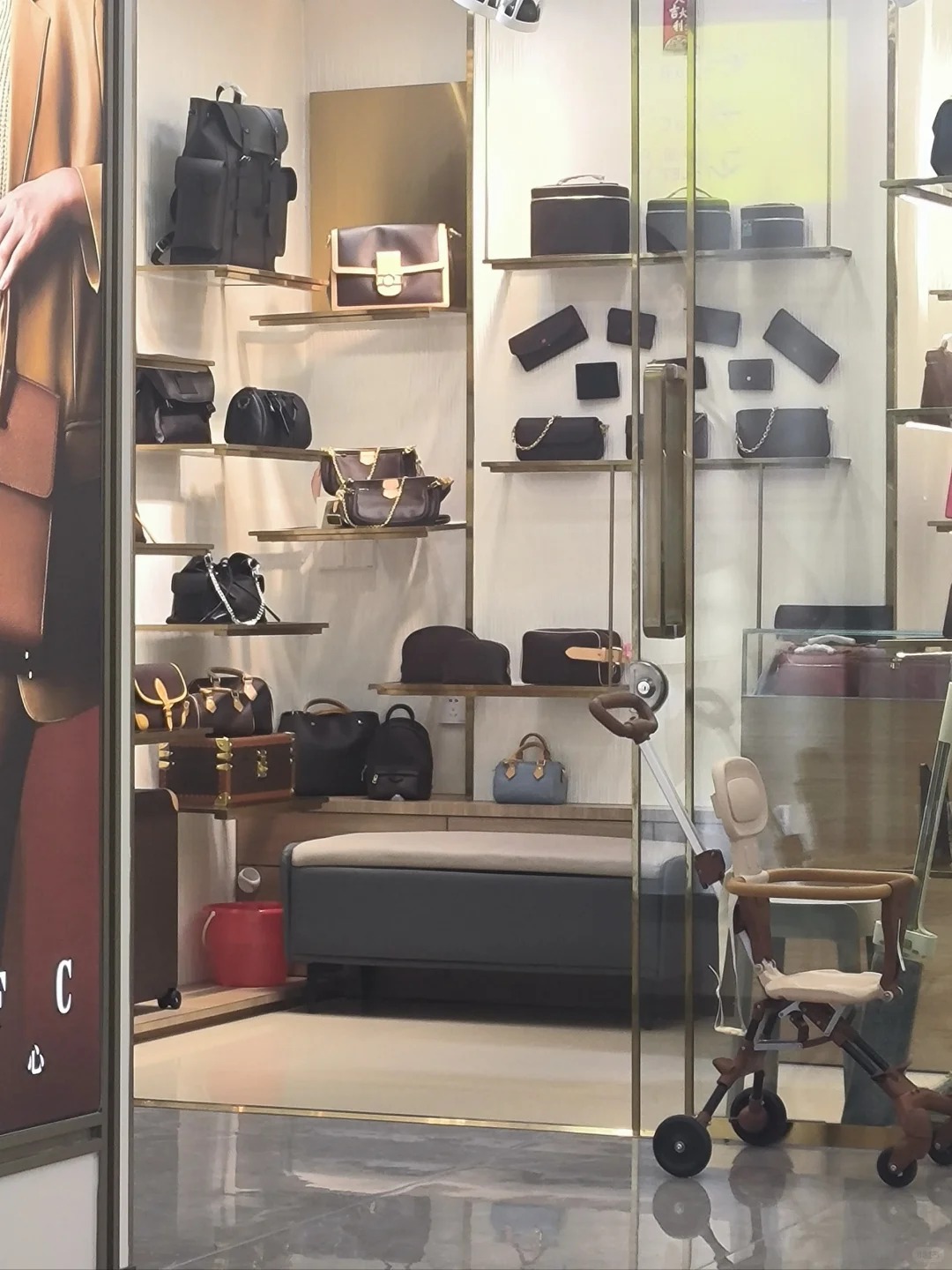
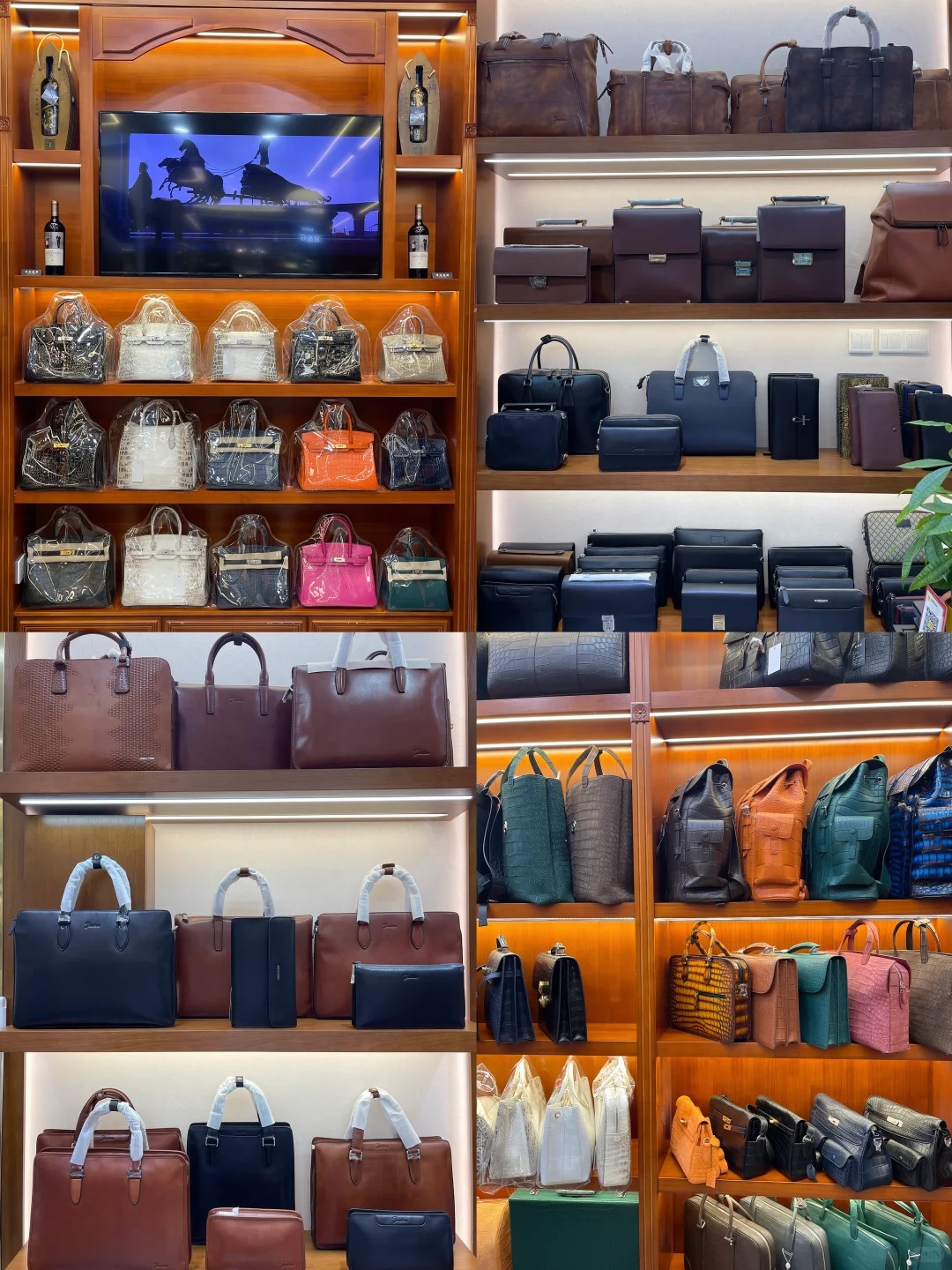
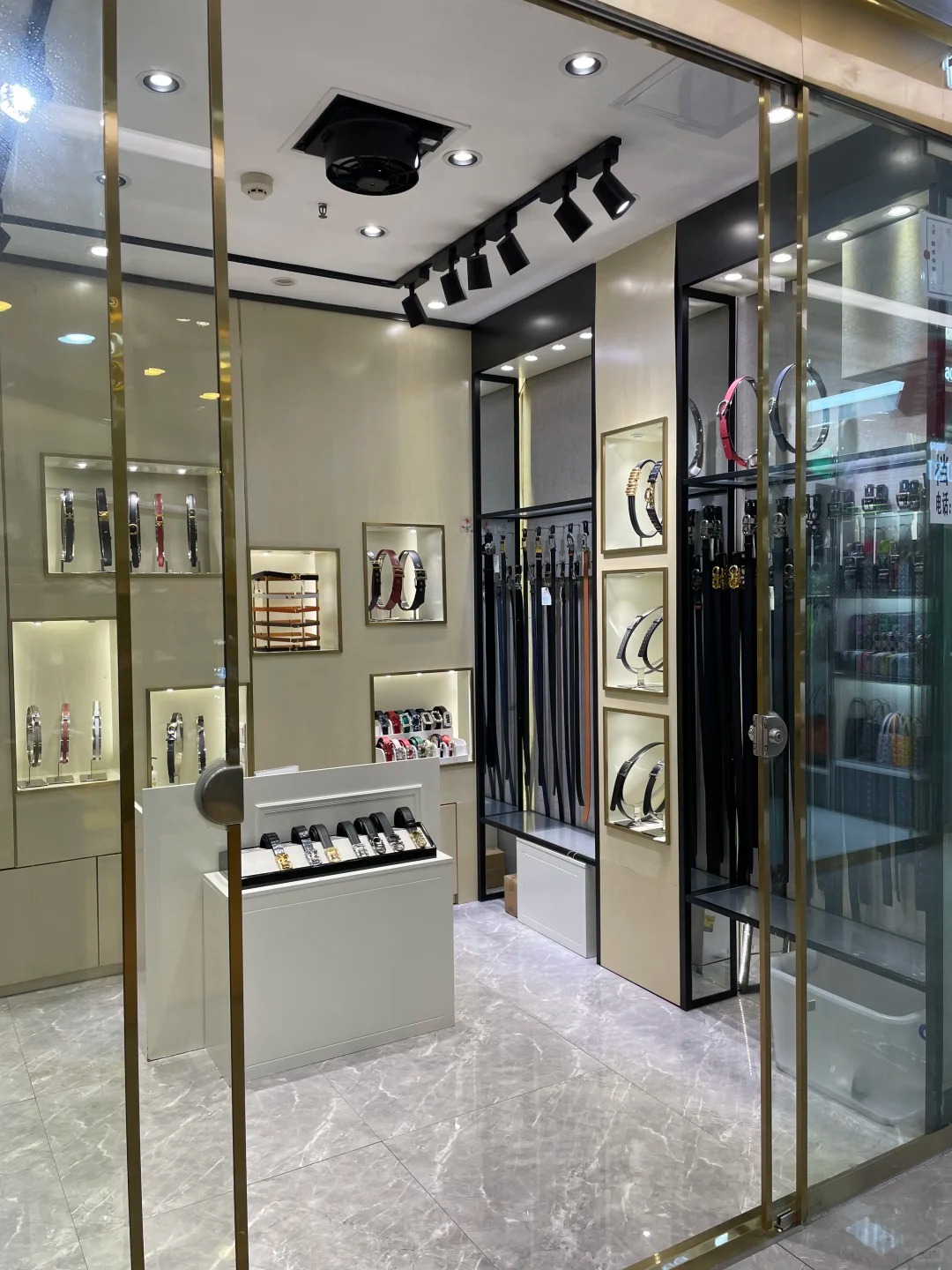
Wholesale markets like Soudangkou offer verified stalls. Visit in person or use sourcing agents. Ask for 现货 (spot goods) to check immediately.
FAQ: How to Not Buy Made in China
| Question | Answer |
|---|---|
| Does “Made in China” mean low quality? | No. China produces top-tier goods. Quality depends on brand specifications. |
| How to find non-Chinese alternatives? | Look for local artisan markets in Europe, Japan, or Mexico. But supply chains often include Chinese parts. |
| What red flags to watch for at stalls? | Uneven stitching, weird chemical smells, and extremely low prices. |
| Can I trust online listings saying “Made in Italy”? | Cross-check with packaging, serial numbers, and seller reputation. |
| How to verify authenticity at wholesale markets? | Ask for material swatches, inspect inside seams, and compare with known genuine items. |
广州服装档口相关入口
继续查看相关市场和品类入口,方便对比档口微信、货源范围、拿货方向和试单前需要核实的信息。