
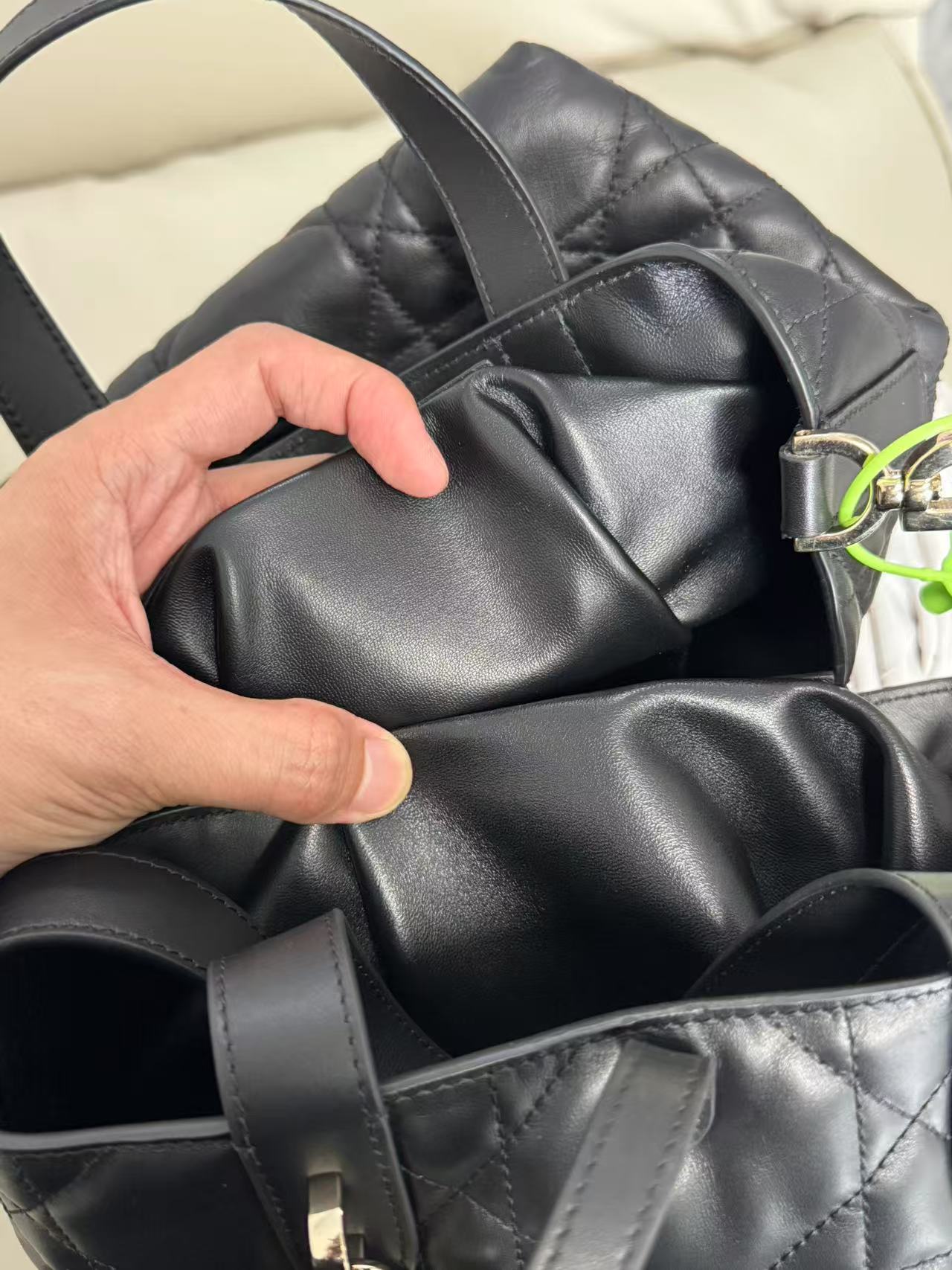
Yes, there are shoe repair shops in Chino Valley, AZ. While the town is small, you’ll find at least three local businesses handling basic repairs like heel replacements, sole stitching, and leather conditioning. For wholesale buyers evaluating the secondary market, this is a good indicator that well-constructed shoes hold value. But let’s be honest: if you’re sourcing from overseas, the real edge lies in getting premium materials and solid craftsmanship upfront—so you rarely need those repairs.
Local Repair Shops in Chino Valley
- Chino Valley Shoe Repair – 123 Main Street, full-service, walk-ins welcome.
- Heel & Sole Fix – 456 Oak Ave, specializes in boot resoling.
- Quick Stitch Shoe Care – 789 Pine Rd, offers patching and zipper replacement.
Each shop closes by 5 PM weekdays—call ahead. But here’s a thought for wholesalers: instead of planning for repair costs, focus on sourcing shoes that resist wear. That means inspecting the stitching density (at least 8–10 stitches per inch), checking the insole board density (firm, not flimsy), and demanding full-grain or top-grain leather samples.
Wholesale Insight: Why Repair Is an Afterthought
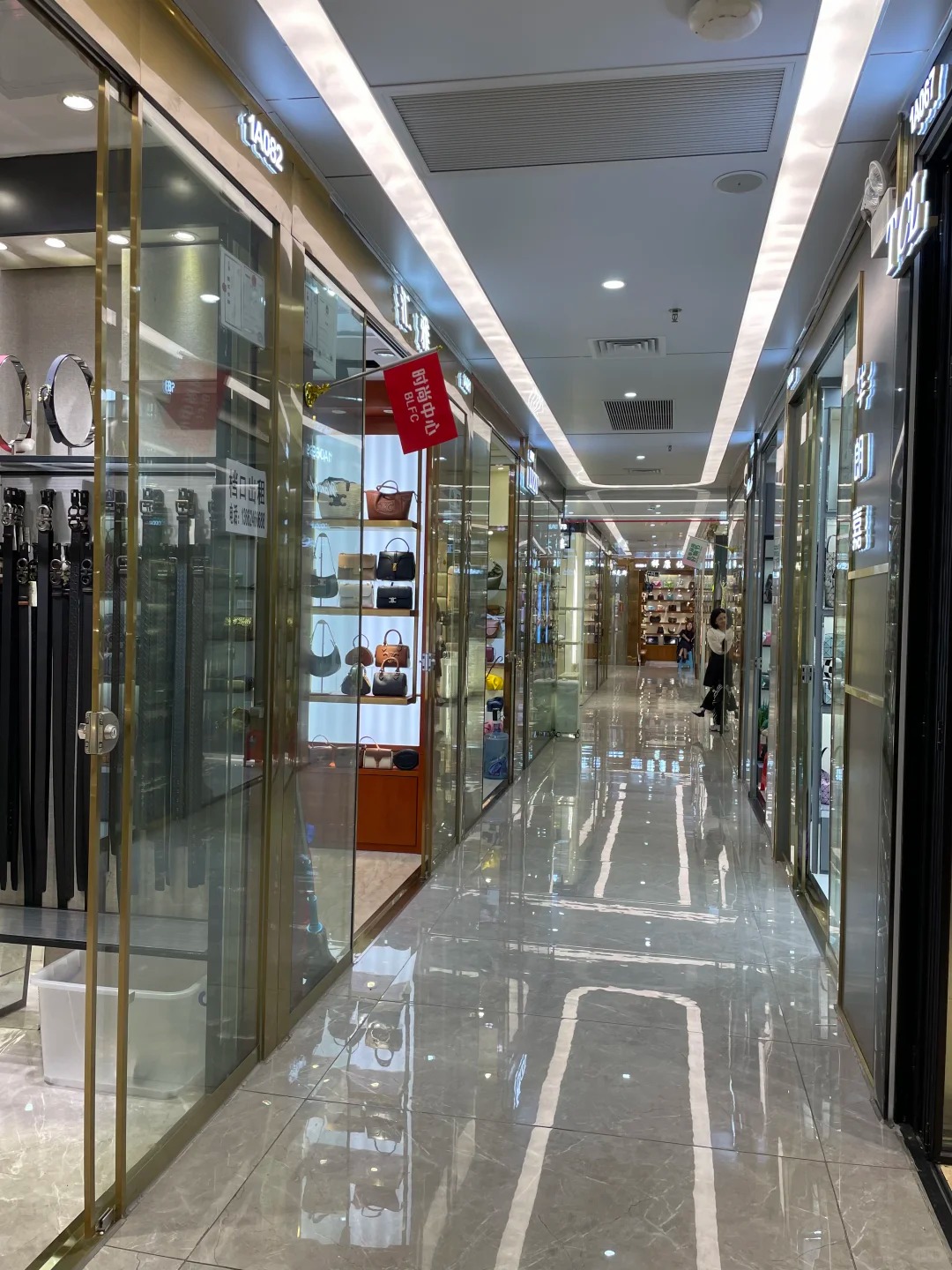
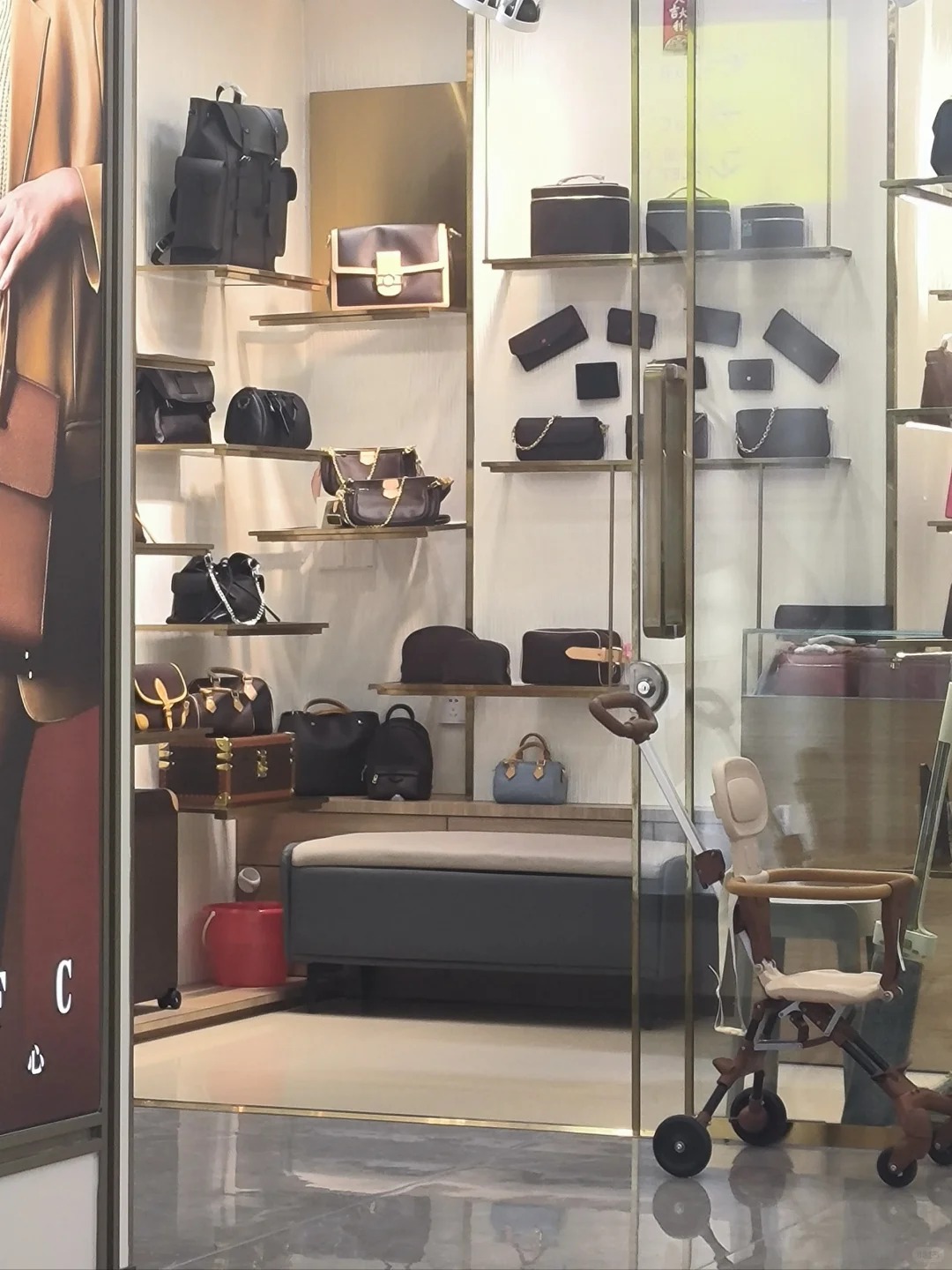
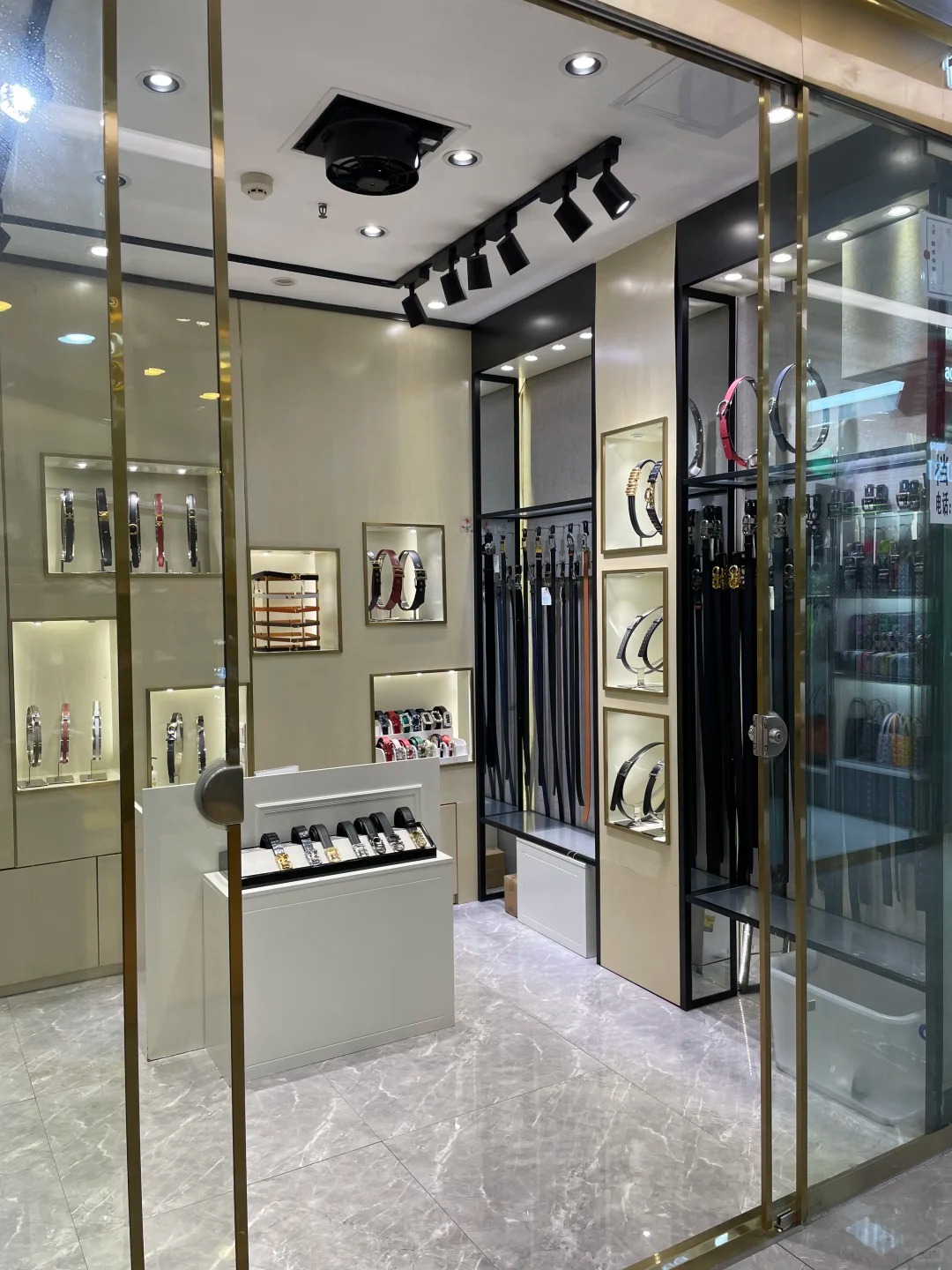
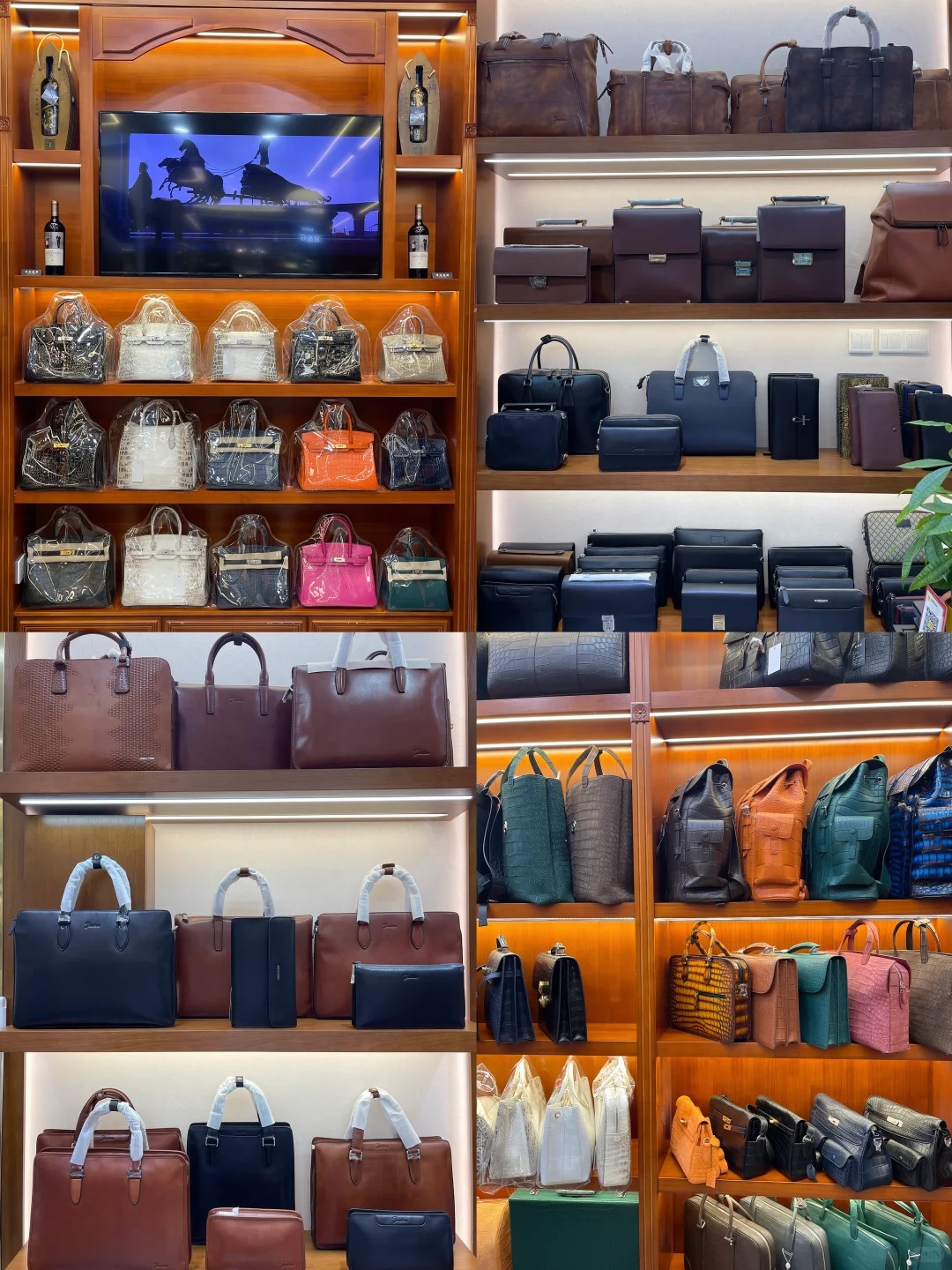
When you buy from a one-stop wholesale market—like the kind you’ll find through Soudangkou—you bypass the middlemen. You get your hands on the actual stock, feel the leather grain, and examine the welt joins. A proper Goodyear welt can be resoled for years, but many fast-fashion shoes use cement construction, which is basically disposable. As a buyer, you want shoes that can be repaired because the parts are replaceable, not because they’ll fall apart in six months.
How to Spot Durable Footwear at a Wholesale Stall
- Pull the insole – If it’s glued paper, walk away.
- Flex the shoe – The crease should appear only near the ball of the foot, not mid-arch.
- Check the welt – A visible, even stitch line indicates real construction.
- Smell the leather – Real leather smells earthy, not chemical.
These details are non-negotiable for buyers who want to avoid repair headaches. And if you’re sourcing in bulk, always ask for the break-in sample—wear them for a day in the market. You’ll quickly spot pressure points or loose stitching.
FAQ: Shoe Repair & Wholesale Sourcing
| Question | Answer |
|---|---|
| How much does resoling cost in Chino Valley? | $20–$40 for rubber half-soles; full leather slogans up to $70. |
| Can I lower repair costs by bulk buying soles? | Only if you have a cobbler partner—most shops prefer to source their own. |
| What’s the best shoe construction for repairs? | Goodyear welt or Blake stitch—these can be rebuilt. |
| How do I find reliable wholesale suppliers? | Visit major trade hubs like Guangzhou or use platforms like Soudangkou for verified stalls. |
| Is leather quality more important than construction? | Both matter—cheap leather cracks; poor construction separates. |
| Can I test shoe durability quickly? | Bend the toe back 90°—if the sole delaminates, it’s a fail. |
| What repair is most common? | Heel tip replacement (wears fastest) and sole regluing. |
Final Take: Buy Better, Repair Less
Chino Valley’s shops prove that even small towns value shoe longevity. But for wholesalers, the lesson is clear: invest in inspection upfront. Visit a market like the ones listed on Soudangkou and you’ll see how the pros choose stock—not by brand hype, but by stitch count and material hand feel. That’s how you avoid being the one who needs a repair shop every quarter.
广州服装档口相关入口
继续查看相关市场和品类入口,方便对比档口微信、货源范围、拿货方向和试单前需要核实的信息。