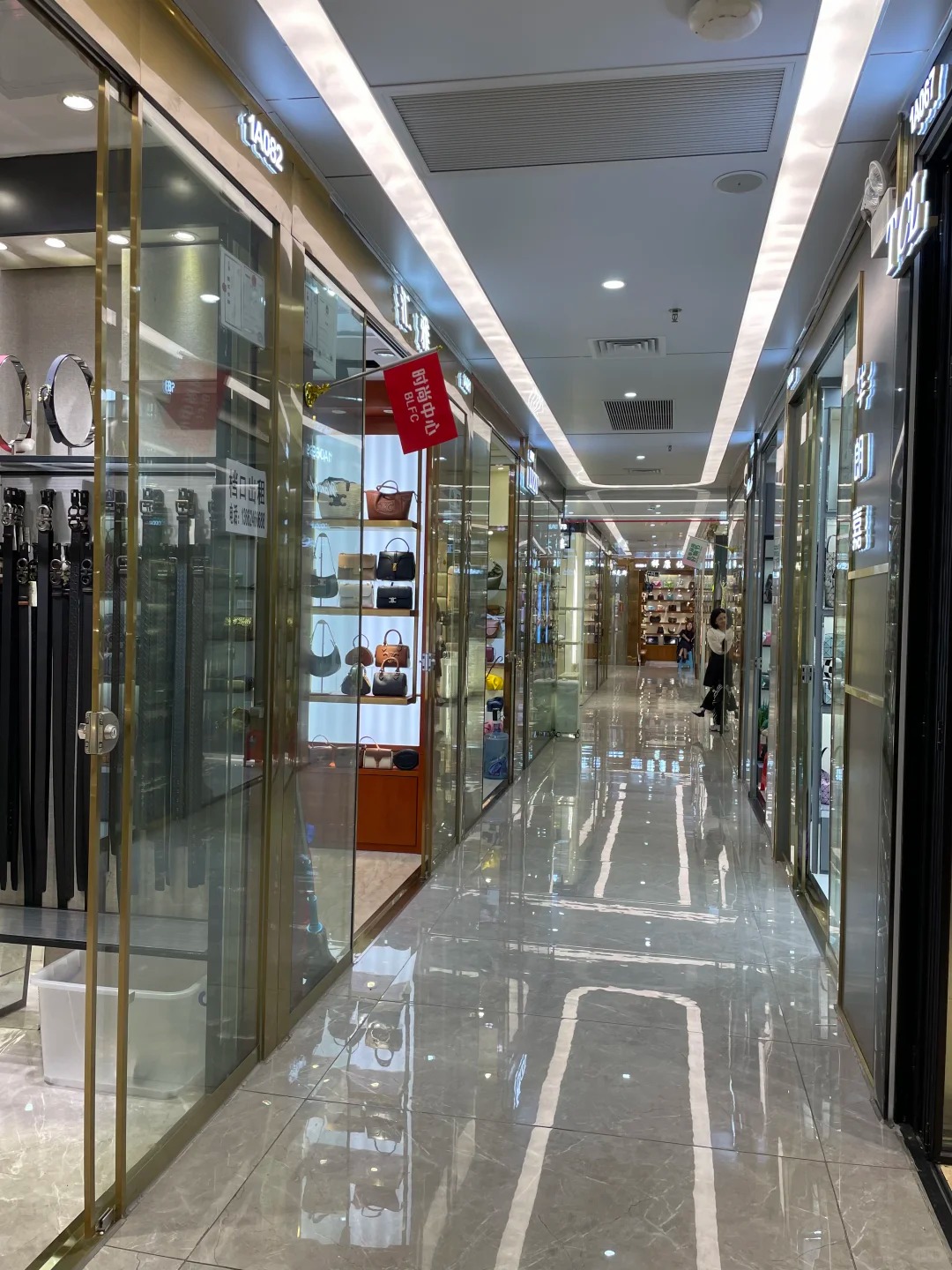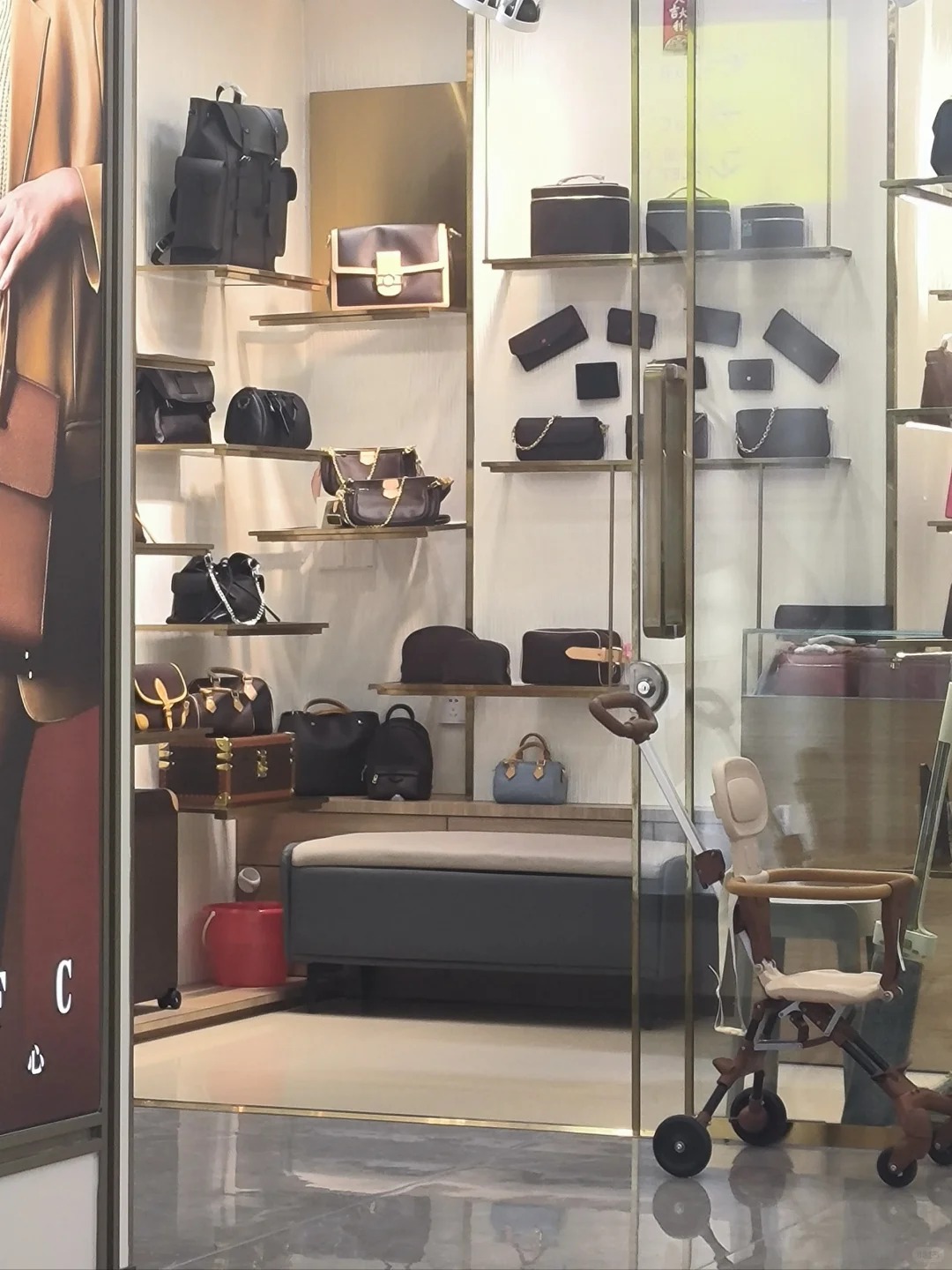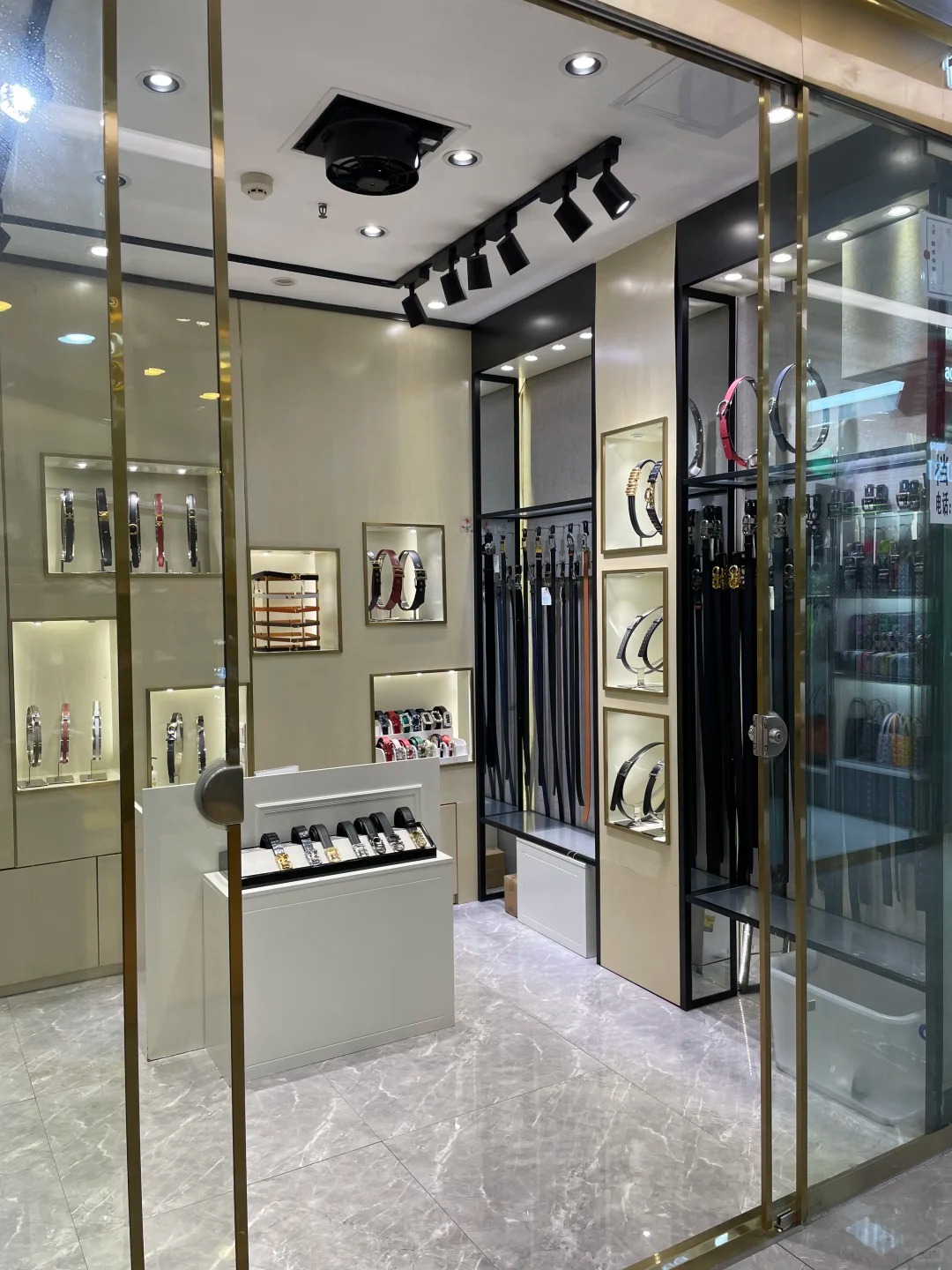

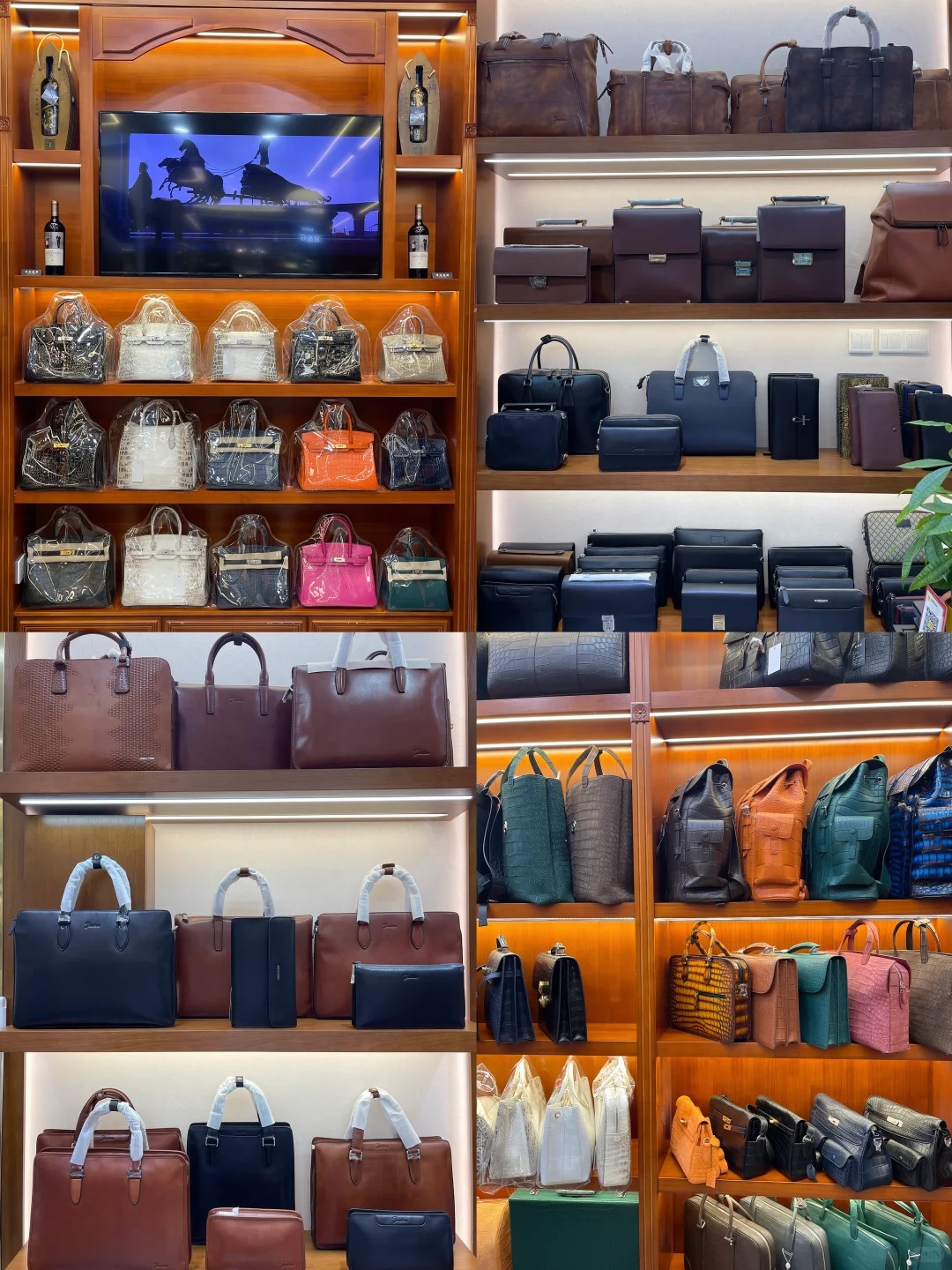
To buy bulk goods from China profitably, you must visit physical wholesale markets in person or use a sourcing agent. Spot goods from market stalls often beat online prices by 20-40%. This guide focuses on how to inspect fabric, stitching, and negotiate with stall owners for the best deals.
Why Physical Markets Trump Online Sourcing
Alibaba and Made-in-China are fine for sampling, but bulk orders from factories come with MOQs (minimum order quantities) and long lead times. Wholesale markets like Yiwu International Trade Market, Guangzhou’s Sanyuanli, and Shenzhen’s Huaqiangbei offer immediate stock, lower minimums, and real-time price negotiation. You can touch the fabric, check the stitching, and see the exact color before paying.
Step-by-Step: How to Buy Bulk Goods from China in Markets
1. Find the Right Market for Your Niche
Each market specializes. Yiwu: small commodities, toys, hardware. Guangzhou: apparel, luggage, shoes (Sanyuanli has huge shoe area). Shenzhen: electronics, phone accessories, gadgets. Walk every lane; price differences for identical items can be 30% between stalls.
2. Master the Spot Goods Game
Ask for “现货” (xianhuo). Many stalls display samples but keep bulk stock in nearby warehouses. Request to see the actual bulk pieces—don’t rely on the shiny showroom sample. Check for consistent stitching, loose threads, and fabric weight. A good stall owner will let you rip a seam (if you buy later).
3. Inspect Fabric and Workmanship Like a Pro
- Fabric: Rub the material between fingers. For cotton, check thread count (higher = softer). For synthetics, ask for burn test (nylon smells like plastic, polyester like sweet chemicals).
- Stitching: Turn the item inside out. Look for even stitches, 8-10 per inch for quality. Single stitching on stress points is a red flag.
- Zippers & Hardware: Pull zippers at least 10 times. metal zippers (YKK is premium) are better than nylon. Check buttons for sharp edges or loose attachments.
4. Negotiate Smart, Not Hard
Stall owners have wiggle room. Start at 50% of listed price, but don’t be offensive. If they say 50 yuan, try 30 yuan. But when you order 100+ pieces, ask for a tiered discount: e.g., 15% off for 200 units, 20% for 500. Many owners will add free samples or small gifts to close the deal. Use a calculator app on your phone to type numbers—this avoids language barriers.
5. Understand Hidden Costs
Ask for “含税” (include tax) or “不含税” (without tax). Most stalls quote without tax. You may pay 3-6% extra if you need a fapiao (invoice). Shipping from the market to your local port: get 3 quotes—market couriers, freight forwarders, and shipping agents. Example: a 20kg box from Yiwu to Los Angeles via sea costs about ¥300-¥500, plus port charges.
Common Mistakes New Buyers Make
Buying from the first stall, not checking multiple prices, and paying full deposit upfront. Always use a sample before bulk shipment. Many buyers lose money on downgraded quality in actual production. For high-value items, hire a third-party inspection service (e.g., SGS, Bureau Veritas) for <500 USD.
When to Use Platforms Like Soudangkou
If you can’t fly to China, Soudangkou and similar market-direct platforms connect you with verified stall owners who list spot goods and real stock. You can request video calls for live inspection and secure payment with escrow-like services. They cut out middlemen without sacrificing quality checks.
FAQ: Quick Answers on Bulk Sourcing
| Question | Answer |
|---|---|
| What’s the minimum order in a market? | Usually 1-2 dozen per style, but you can mix colors and sizes. Some stalls accept single piece as sample. |
| Can I pay by credit card? | Most stalls prefer cash or WeChat/Alipay. Larger transactions accept TT (bank transfer) with 30% deposit. |
| How to check fabric quality without tools? | Rub sample on a white cloth: color bleeding means poor dye. Smell for chemical odors (formaldehyde). |
| What if I don’t speak Chinese? | Use translation apps or hire a freelance translator (about 100-150 USD/day). Many markets have English-speaking staff on higher floors. |
| Is shipping included in the price? | No, always ask for “FOB” (free on board) price meaning goods ready at the market. You arrange shipping. |
| How to avoid counterfeit goods? | Stick to unbranded or neutral products. If a branded item is too cheap, it’s likely fake. Reports show 80% of branded goods in markets are counterfeit. |
Final Word on Buying Bulk from China
Chinese wholesale markets remain the world’s best source for affordable, high-volume goods. The key is hands-on inspection and relationship building. Visit once, and you’ll see why local buyers get the best deals. For remote sourcing, use trusted digital platforms that emulate the market experience—like Soudangkou’s stall-direct listings. But nothing beats physically rubbing fabric and haggling over tea.
广州服装档口相关入口
继续查看相关市场和品类入口,方便对比档口微信、货源范围、拿货方向和试单前需要核实的信息。