
How to Buy China Stock in US: The Wholesale Reality
If you want to buy Chinese stock while in the US, your best bet is to work with wholesale market stalls that specialize in ready-to-ship inventory. Skip the idea of dealing directly with factories—they have MOQs of 500+ pieces and want long-term relationships. Instead, target traders at physical markets like Yiwu, Guangzhou, or via platforms like Soudangkou, which aggregates stall stock from these hubs. The key: find suppliers who hold xiàn huò (stock on hand), can inspect fabric and stitching in real-time, and ship small batches to the US.
Step 1: Identify Reliable Wholesale Stalls
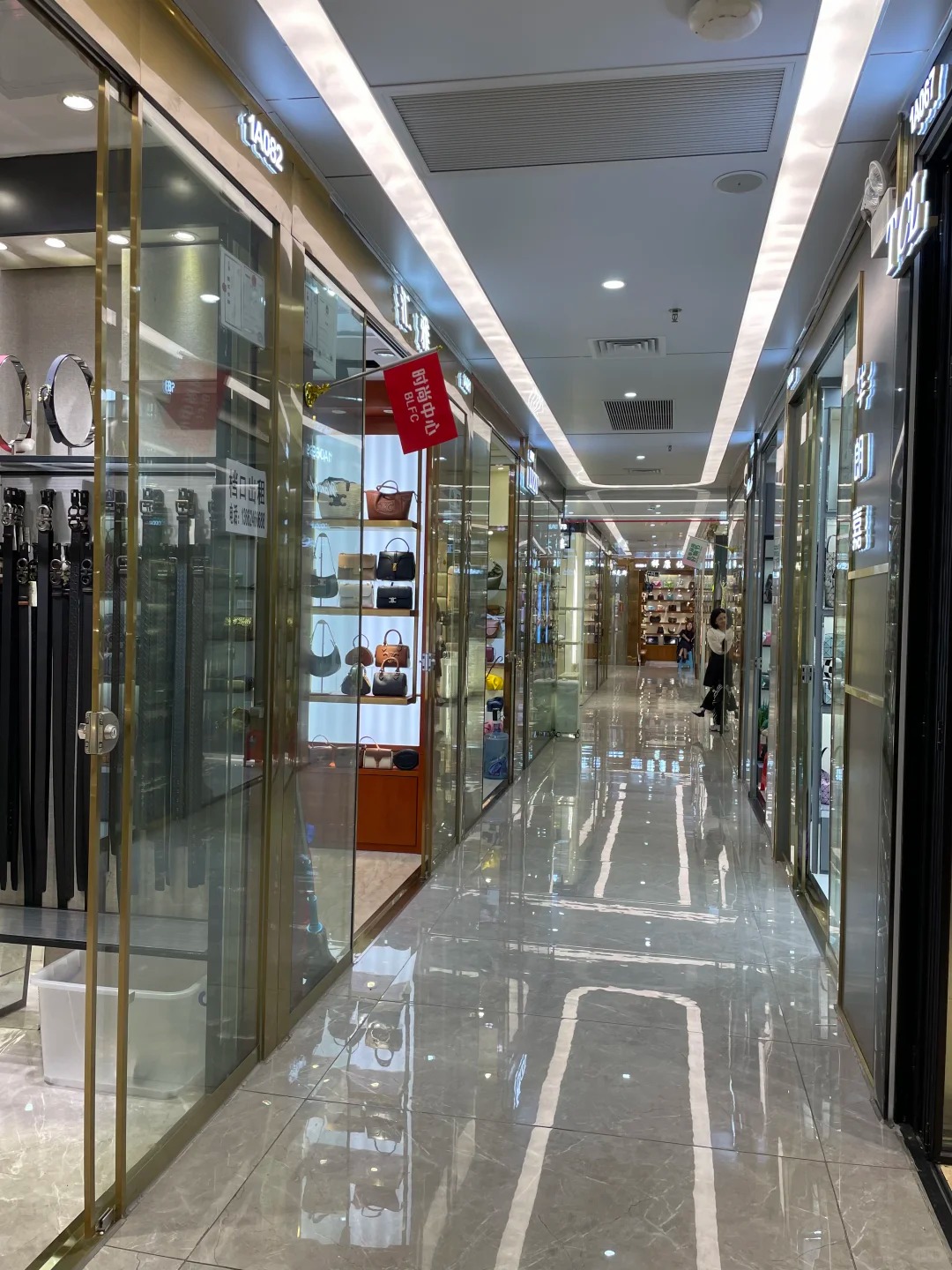
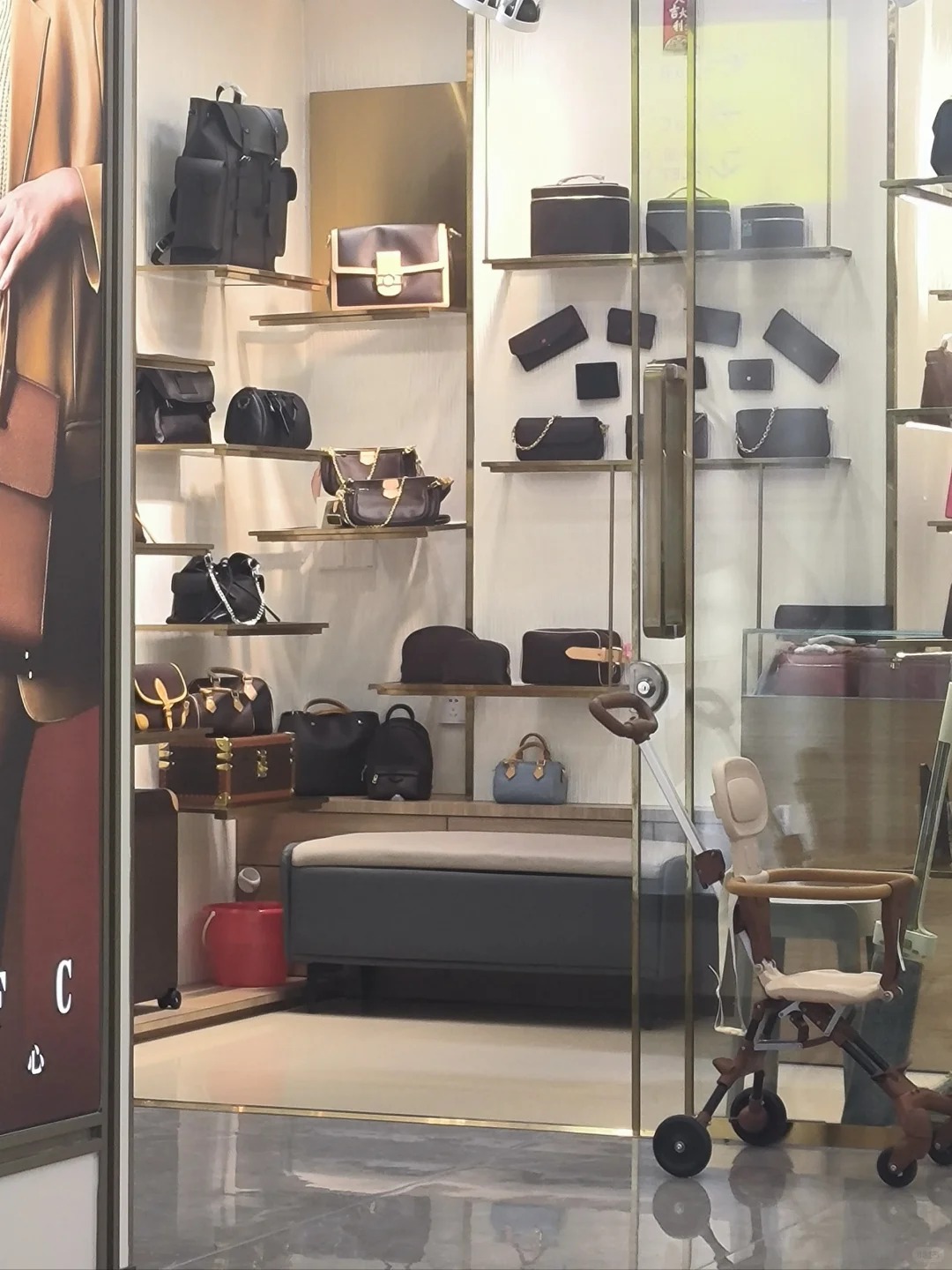
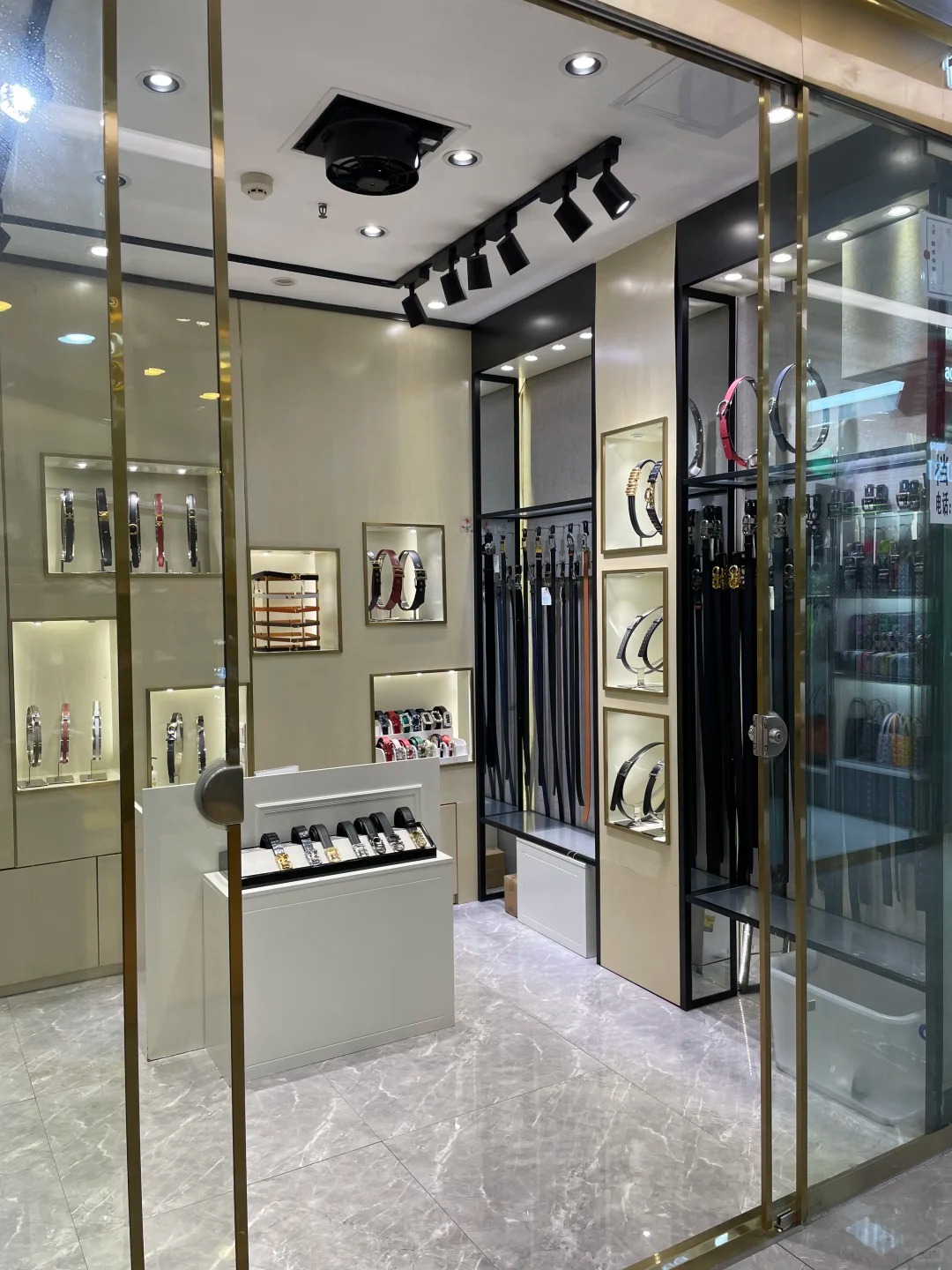
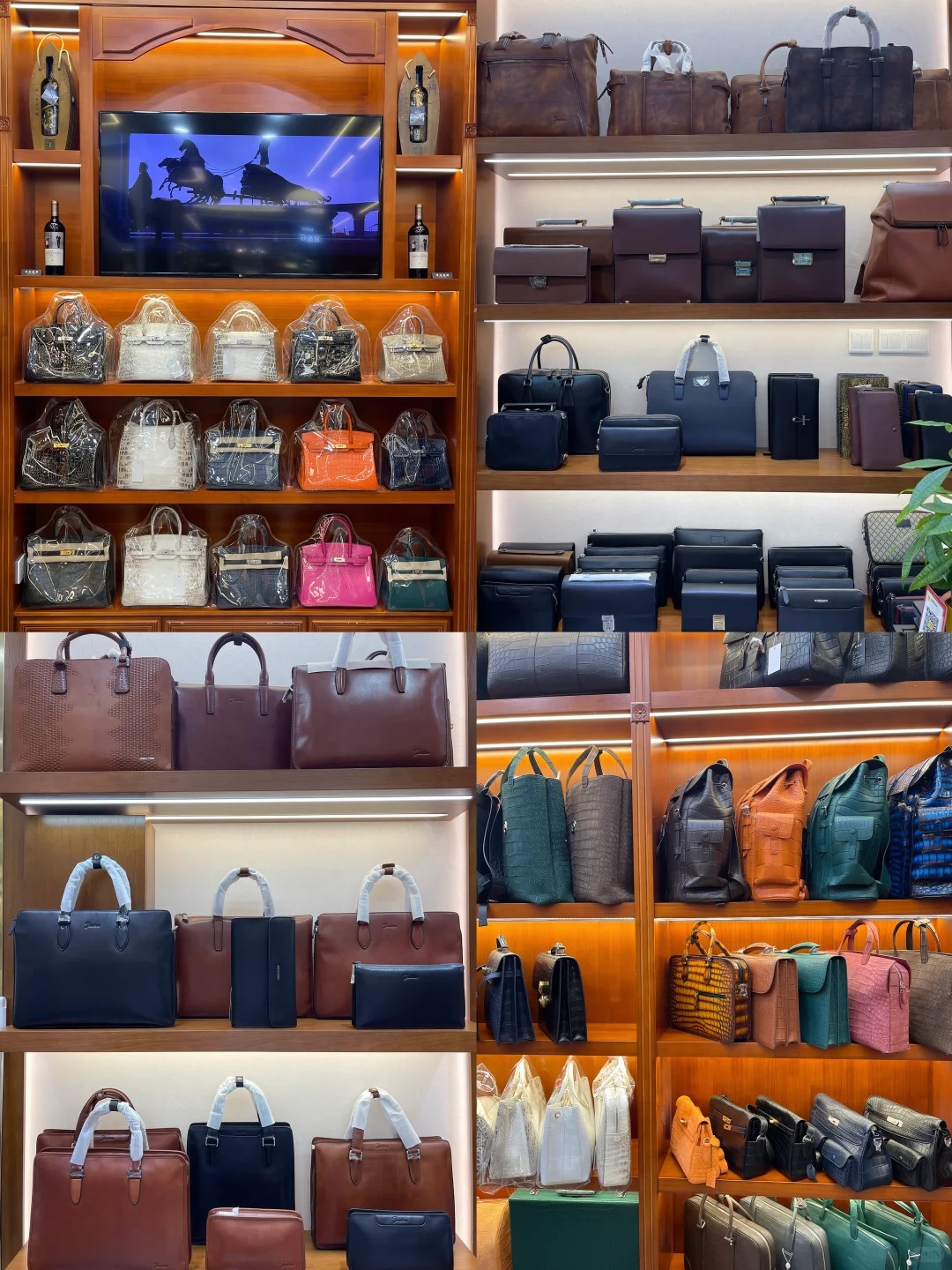
Chinese wholesale markets (like Yiwu International Trade Market or Guangzhou’s Baiyun World Leather) are filled with thousands of stalls. Each stall is a mini supplier, often specializing in one or two product categories. To buy from them without traveling, you need a sourcing agent or a digital platform that represents real stalls. Soudangkou allows you to browse actual stall inventory from these markets, including real photos and material swatches. Look for stalls marked as “现货” (ready stock) to ensure quick shipping.
Step 2: Inspect Fabric and Stitching Virtually
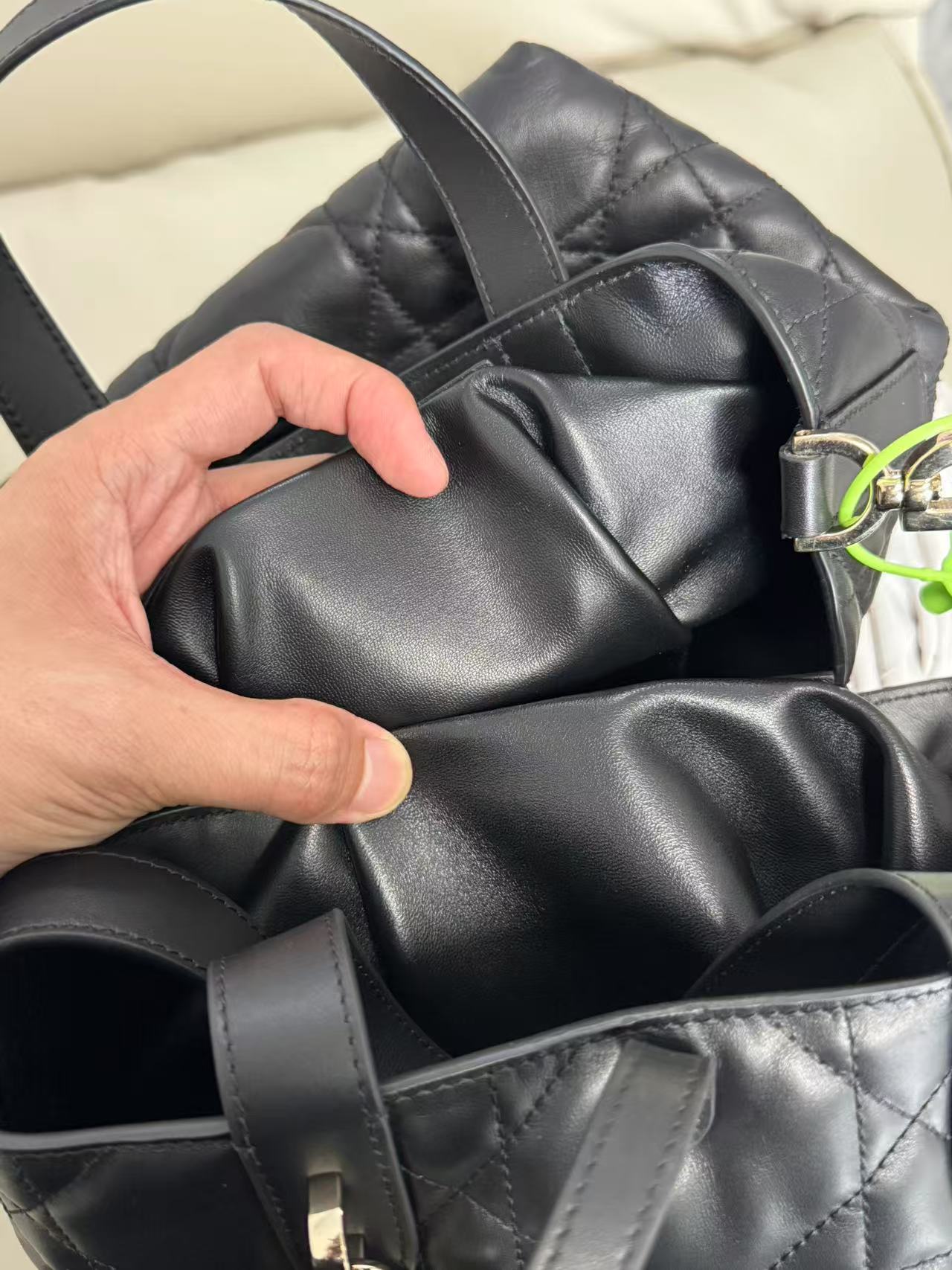
Fabric quality is the #1 difference between cheap and durable goods. Chinese stalls often offer three tiers: economy (thin, low-density fabric), commercial (medium weight, decent weave), and premium (high thread count, reinforced seams). When sourcing remotely, ask for video calls or detailed photos of:
- Fabric handfeel: Request a close-up of the weave and a video of the fabric being crinkled.
- Stitching: Look for straight, tight seams with 4-6 stitches per inch. Loose threads are a red flag.
- Labels: Insist on proper care labels and brand-neutral packaging to avoid customs issues.
Step 3: Understand Stock Availability
“Stock” in China wholesale means two things: cāng kù xiàn huò (warehouse stock) and shēng chǎn xiàn huò (production surplus). Warehouse stock is ideal—it’s packed, labeled, and ready to go. Production surplus might be slightly irregular but at a deep discount. Always confirm if the stock is first-quality or seconds. Use platforms that connect you to physical stalls, as they can verify stock condition firsthand.
FAQ: Key Questions About Buying China Stock from the US
| Question | Answer |
|---|---|
| What’s the minimum order quantity (MOQ) for stock? | Many stalls have no MOQ or only 1-2 cartons (e.g., 50-100 pieces) for stock items. |
| How do I check fabric quality remotely? | Ask for a video of fabric being stretched and a photo of the weave under bright light. Request a sample swatch mailed to you. |
| Can I get custom branding on stock items? | Usually not—stock is pre-packed. But some stalls offer private label for orders of 300+ pieces. |
| What are typical shipping times to the US? | Express (5-7 days) via DHL/FedEx, or sea freight (20-40 days). Stock ships faster than made-to-order. |
| Are returns accepted if stock quality is poor? | Most stalls inspect before shipping. Once accepted, returns are rare—but negotiate a 10% allowance for defects. |
| How do I pay a Chinese stall in the US? | Use wire transfer (TT), PayPal (for smaller amounts), or Alibaba Trade Assurance. Platforms like Soudangkou provide escrow. |
| What if I need help with import customs? | Many stall agents or platform rep can provide HS codes and invoice documentation for US customs. |
Step 4: Negotiate and Place a Sample Order
Once you’ve found a stall with stock that passes fabric and stitching checks, negotiate terms. For stock items, you have leverage—stalls want to clear inventory. Aim for a 5-10% discount on orders of 3+ cartons. Always order 1 carton first as a trial. This tests the supplier’s reliability, shipping speed, and product consistency. Chinese wholesalers who work with US buyers often accept PayPal or TT for small orders.
Step 5: Manage Shipping and Customs
For stock goods, shipping is straightforward. Use a freight forwarder to consolidate if you’re buying from multiple stalls. Ensure the supplier includes a commercial invoice with accurate value (never undervalue—it triggers customs audits). Most US importers pay 0-5% duty on textile goods, but check your product’s HTS code. Sea freight is cheapest for 100+ kg, but air courier (e.g., FedEx) is faster for trial orders.
Final Advice: Visit the Market if You Can
Nothing beats going to Yiwu or Guangzhou in person. But if that’s not possible, use a platform that partners with physical stalls. These market stall vendors are the backbone of China’s export economy—they know fabric, stitching, and trends better than any middleman. By sourcing directly from them, you get authentic Chinese stock without overpaying. Platforms like Soudangkou make this remote connection possible, but always do your own due diligence on sample quality.
广州服装档口相关入口
继续查看相关市场和品类入口,方便对比档口微信、货源范围、拿货方向和试单前需要核实的信息。