
How to Buy Chinen Salt: A Wholesale Market Guide
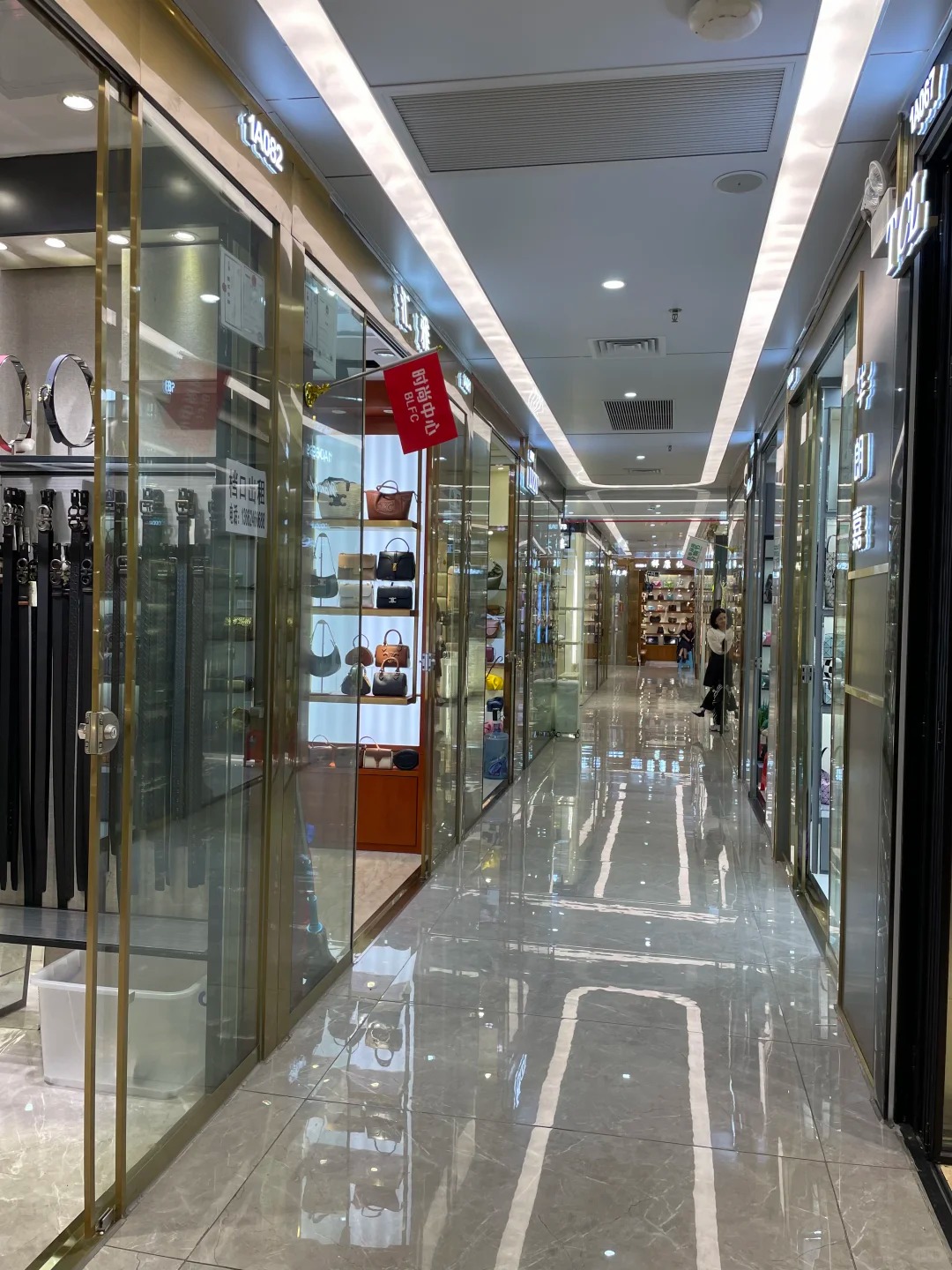
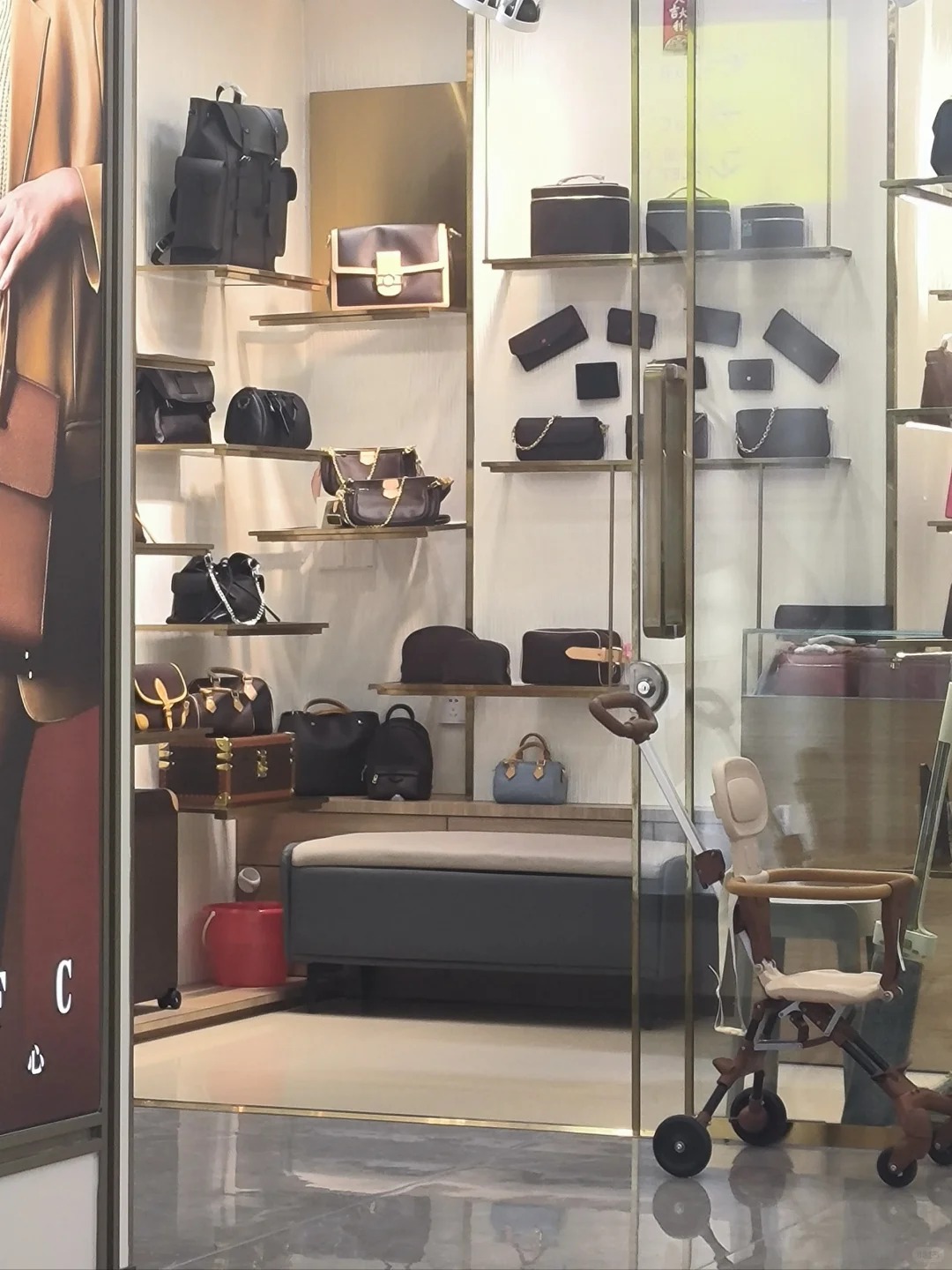
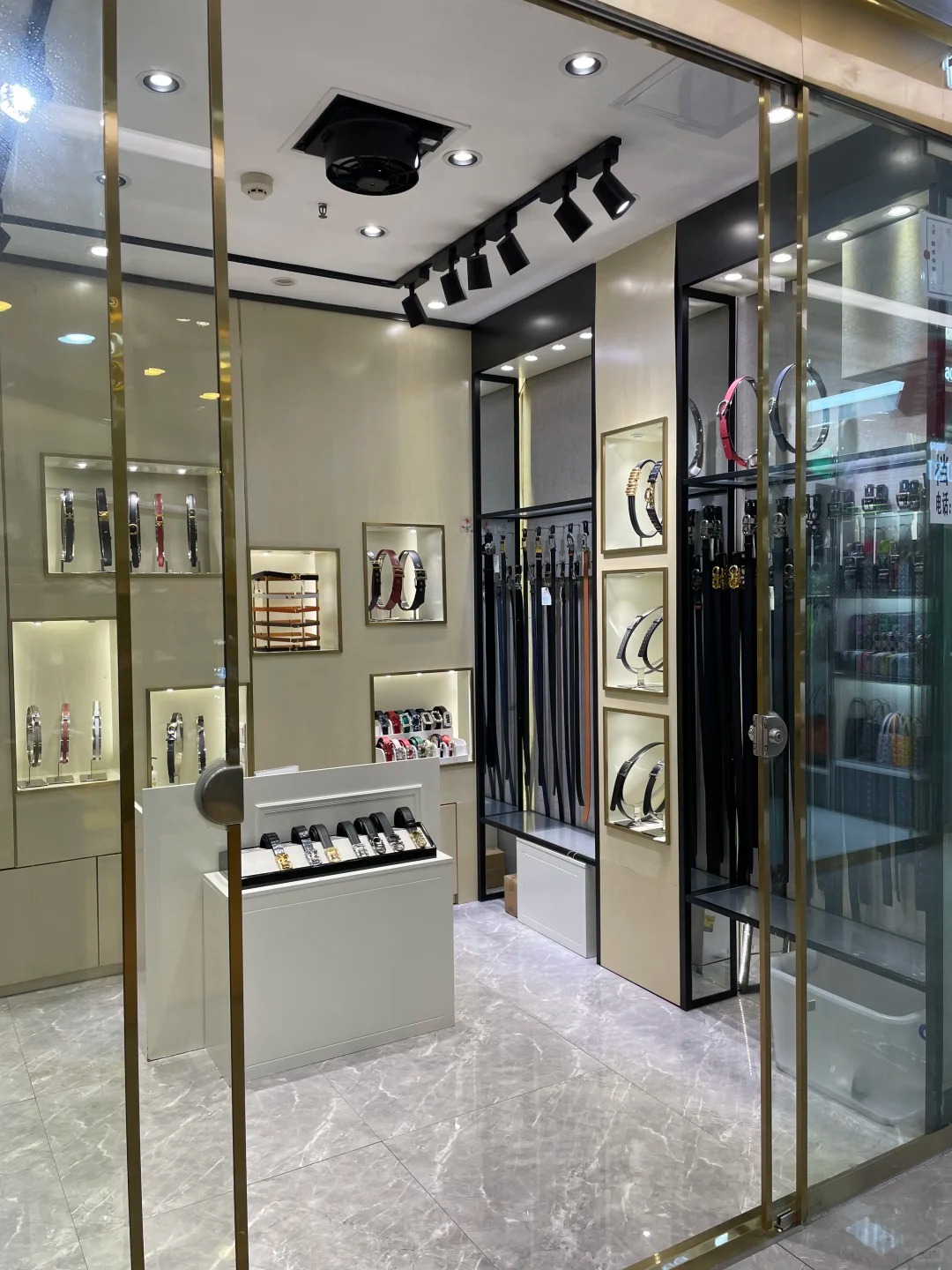
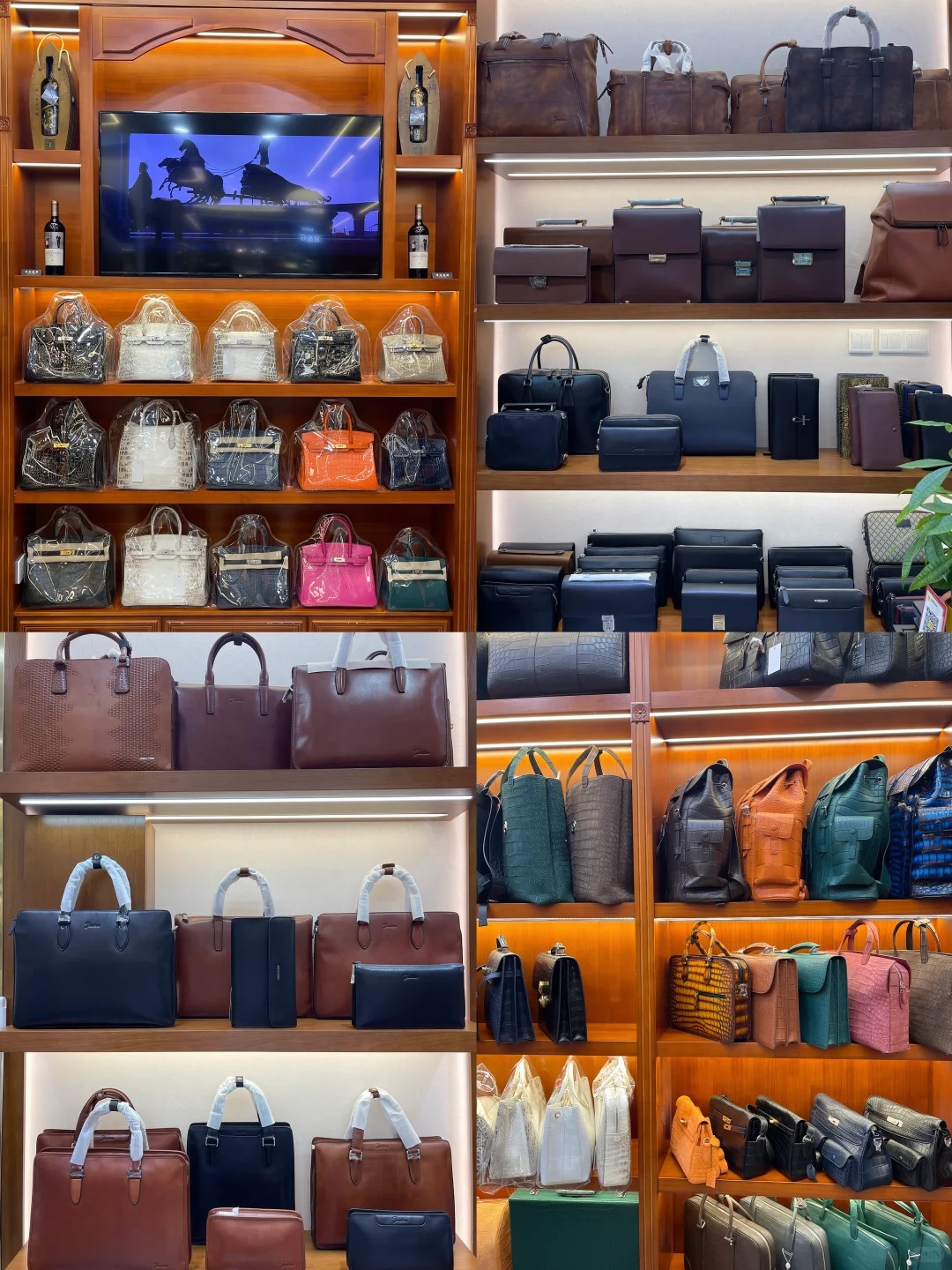
The best way to buy chinen salt is to source directly from wholesale market stalls in major Chinese hubs like Guangzhou or Yiwu, where you can inspect bulk lots, negotiate prices, and secure spot goods. Most newcomers overpay online or fall for fake deals. Instead, head to a physical market, talk to booth owners, and look for real salt—not dyed or fake products.
Where to Find Chinen Salt in Wholesale Markets
Start with Guangzhou’s Liwan district or Yiwu International Trade City. These markets have rows of stalls specializing in natural products. Walk around and compare. Chinen salt is often sold in 50kg bags or larger sacks. Ask for 原盐 (yuan yan) or 海盐 (hai yan) to get the real stuff. Some stalls also carry specialty salts from specific regions.
Spot Goods and Immediate Availability
One big advantage of physical markets is spot goods. Unlike online, you can buy and take home same-day. When you find a stall with chinen salt, ask: “你们有现货吗?” (Do you have spot goods?). If they say yes, check the batch. Look for consistent crystal size, no moisture clumping, and a clean smell. Avoid any salt that seems too white or has yellow tint—it may be bleached or low-grade.
Fabric and Texture: What to Look For
Though chinen salt isn’t fabric, its texture matters. Good chinen salt feels dry and granular. Pinch a bit: it should crumble easily, not stick. The color should be off-white to light grey—not pure white. Pure white means it’s refined, which defeats the purpose. Real chinen salt often has trace minerals that give it a slightly grayish hue.
Stitching and Packaging
Check the bag stitching. Double-stitched bags with strong threads indicate careful handling. Cheap single-stitching may break during transport. The bag material should be woven polypropylene with a plastic liner inside to keep moisture out. Look for labels with production date, origin, and net weight in Chinese. Reliable stalls have printed labels, not handwritten.
Negotiating and Payment
In wholesale markets, bargaining is standard. Start by offering 20-30% less than asking price. Pay in cash for better discounts or use mobile payment if you have a Chinese bank account. Build relationships with stall owners—repeat buyers get priority on new stock. Soudangkou sources consistently from trusted booths, so if you see a stall with steady foot traffic, it’s a good sign.
Common Pitfalls
- Fake salt: Some stalls mix regular salt with a bit of chinen salt. Test by dissolving a spoonful: real chinen salt leaves a slight mineral sediment.
- Overpricing: Compare prices across at least 5 stalls before buying.
- Expired stock: Check the production date. Chinen salt doesn’t expire but loses mineral content over years.
FAQ: Buying Chinen Salt
| Question | Answer |
|---|---|
| How do I identify real chinen salt? | Look for off-white to grey color, dry texture, and mineral sediment when dissolved. |
| What is the wholesale price per kg? | Typically $0.50 to $1.50 USD depending on quality and order volume. |
| Can I sample before buying? | Yes, most stalls give a small sample. Test it at home if unsure. |
| How to store chinen salt? | Keep in a cool, dry place away from sunlight. Airtight container best. |
| What is the minimum order? | Usually one 50kg bag, but some stalls sell 10kg bags for test orders. |
| Is chinen salt gluten-free? | Yes, it’s natural sea salt with no additives. |
| How long does shipping take? | From Guangzhou to US about 2-3 weeks by sea. |
Final Thoughts
Buying chinen salt wholesale from market stalls gives you control over quality and price. Always inspect physically, test samples, and build relationships with sellers. Remember: real chinen salt is never pure white and has a dry, granular feel. For more insider tips, check resources like Soudangkou which regularly features market insights.
广州服装档口相关入口
继续查看相关市场和品类入口,方便对比档口微信、货源范围、拿货方向和试单前需要核实的信息。