
How to Buy from China During Trade War: A Wholesale Market Perspective
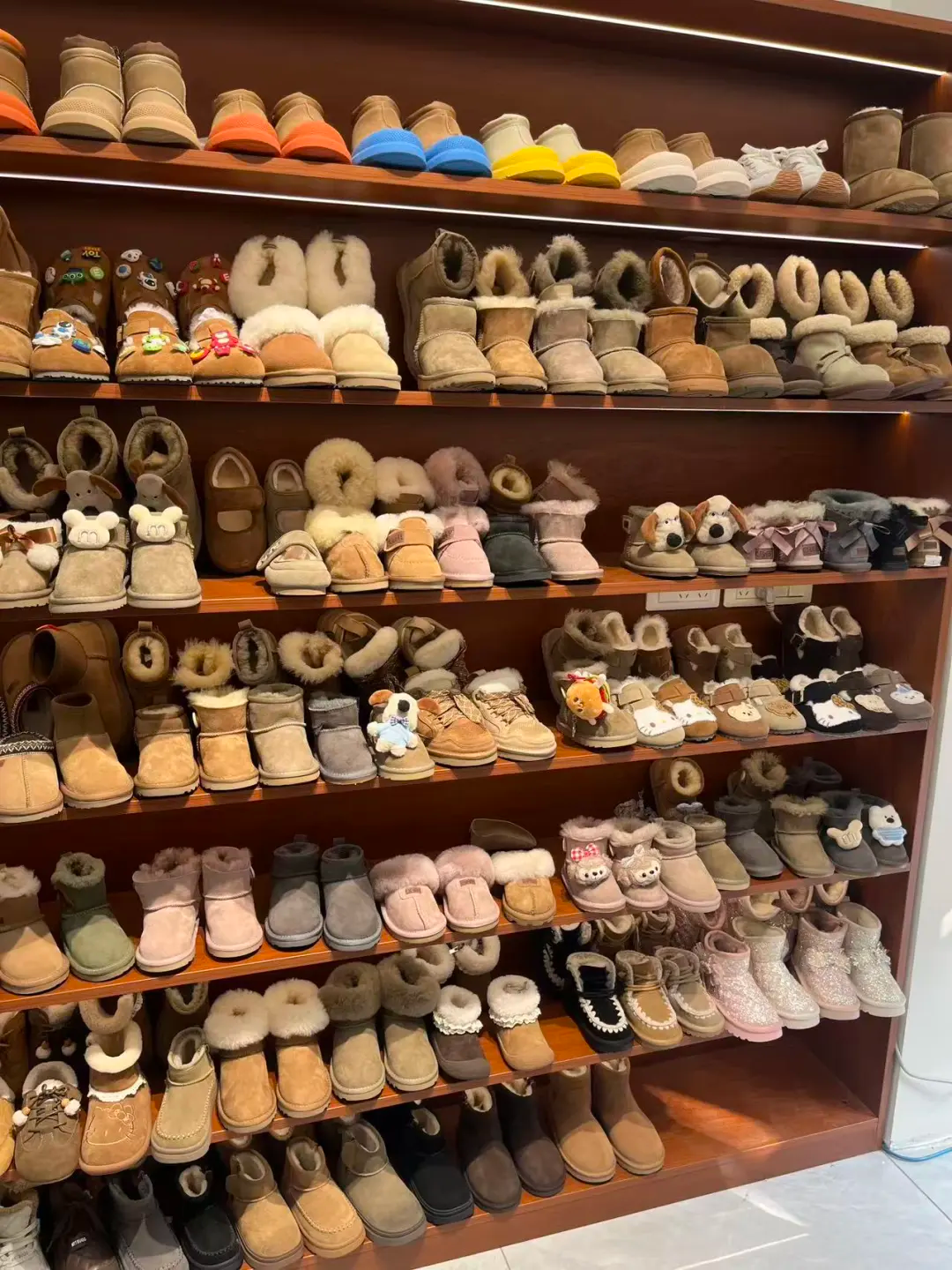
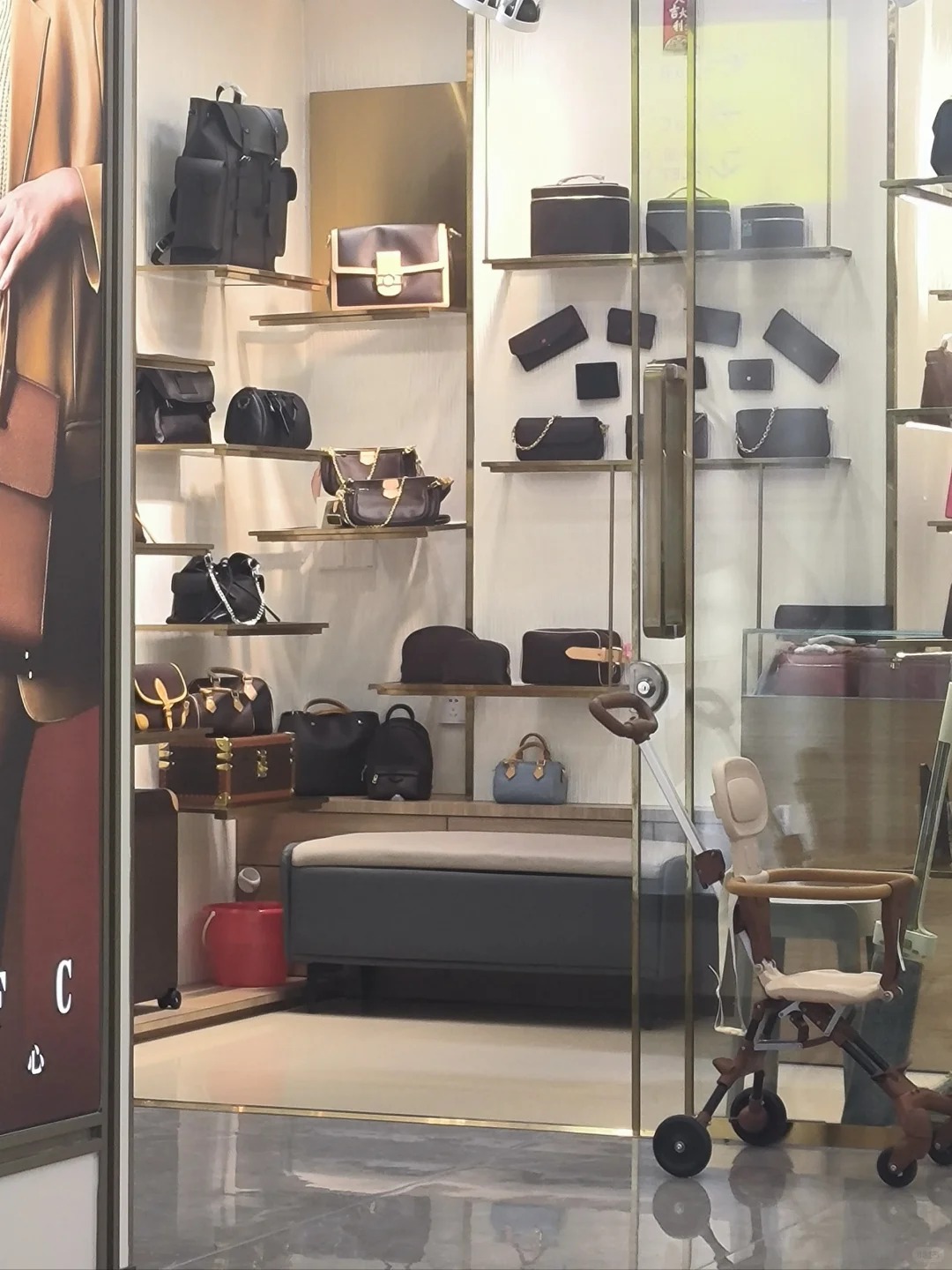
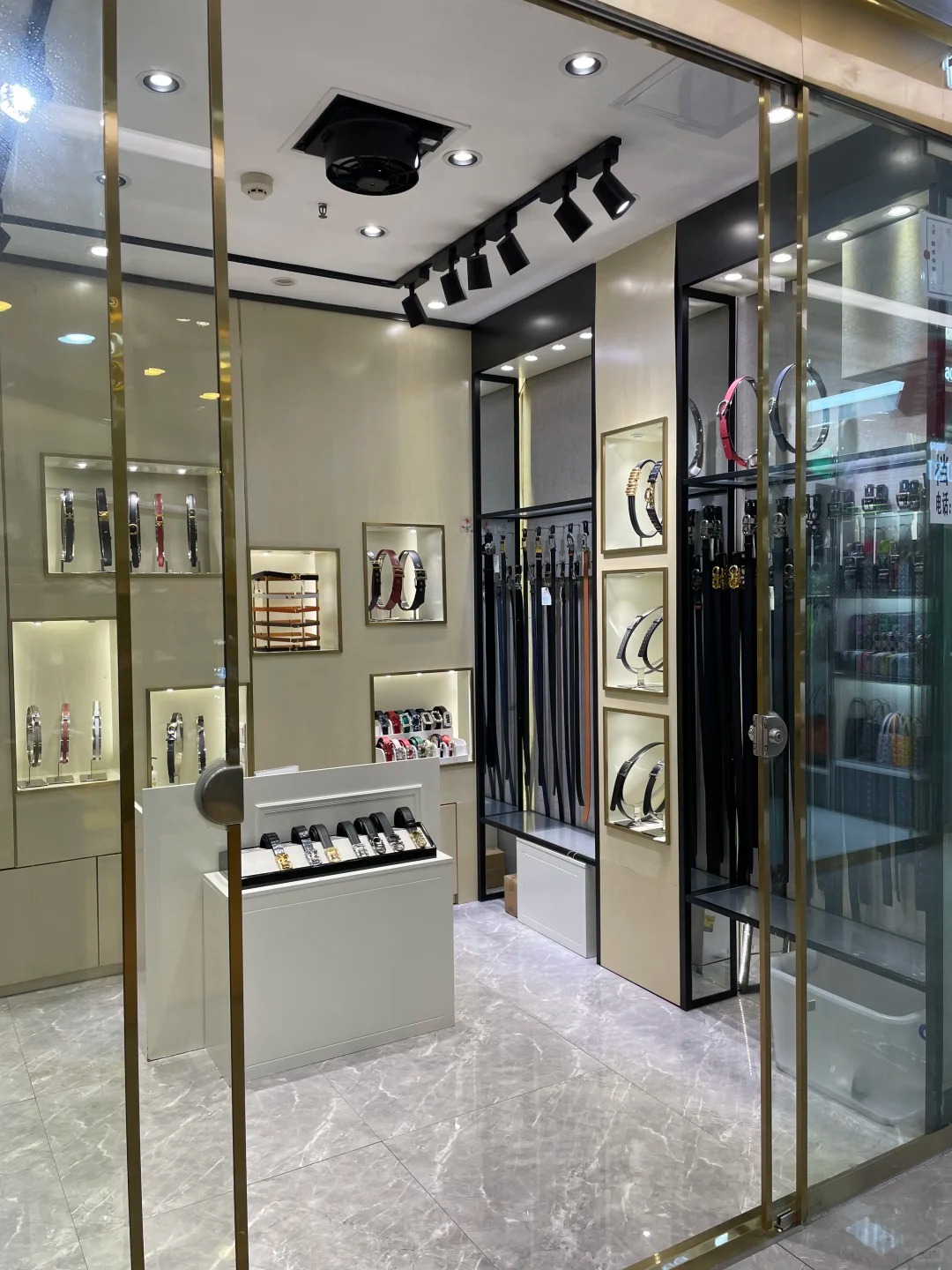
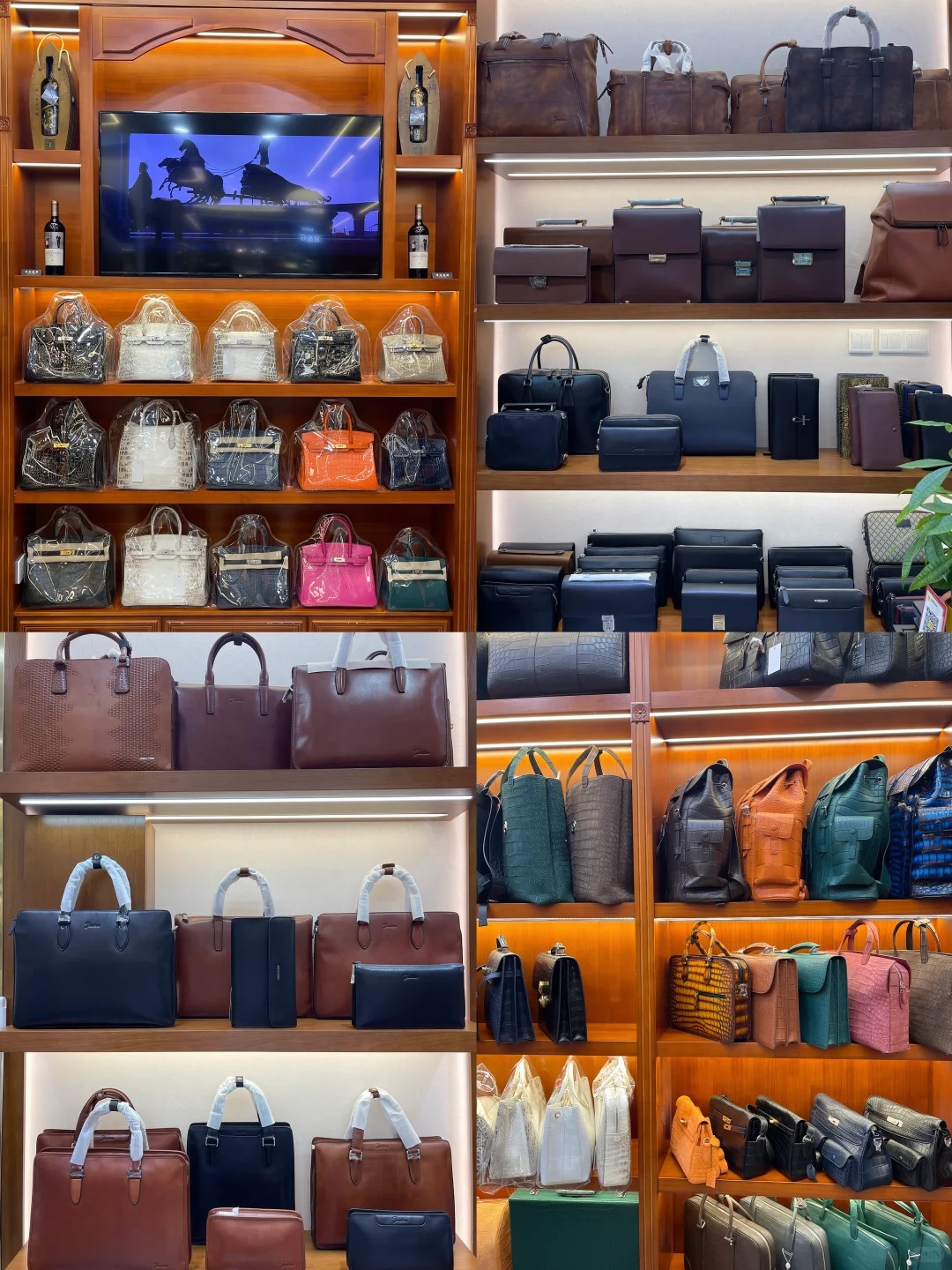
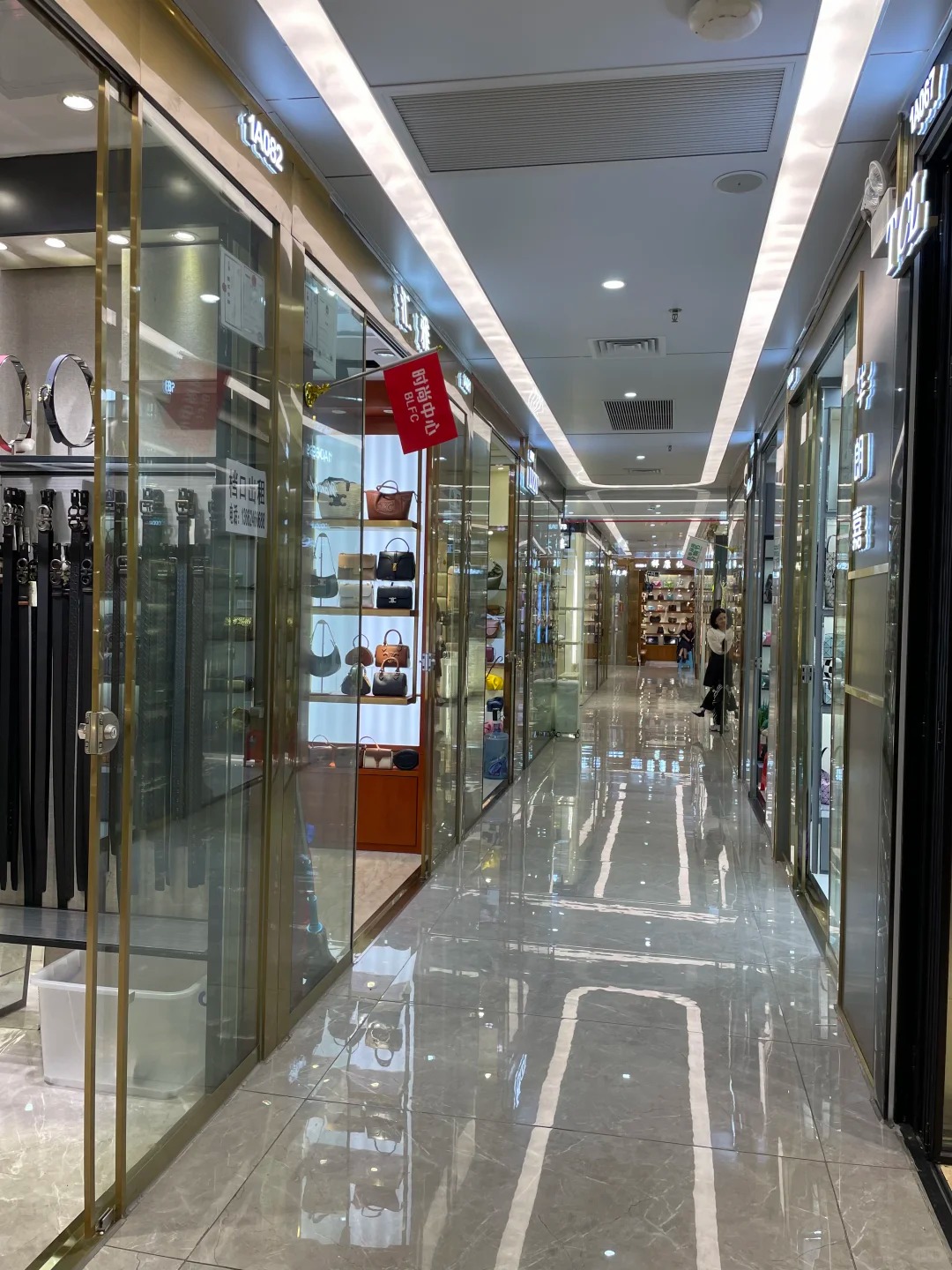
Yes, you can still profitably buy from China during the trade war. The key is to pivot from bulk container orders to buying spot goods (现货) directly from wholesale market stalls. This approach dramatically cuts tariff exposure and allows you to inspect product quality on the spot.
Let’s get real – tariffs in 2025 have reshaped the game, but sourcing from China isn’t dead. It’s just smarter. Here’s your insider guide from the frontlines of China’s wholesale markets.
Why Spot Goods (现货) Are Your Best Bet in a Trade War
Tariffs are calculated on the declared value of goods, but when you buy spot goods from market stalls, you can often negotiate cash-and-carry prices that reduce the invoice value legally. More importantly, you get to physically touch the fabric and inspect the stitching. That leather jacket from Guangzhou’s Baiyun Market? You’ll know in 30 seconds if it’s quality or junk. No samples, no waiting.
How to Inspect Fabric and Stitching Like a Pro
Wholesale markets in China thrive on speed. But don’t be rushed. Run your hand over the fabric – genuine cotton has a slight nap, synthetics feel cold. Check the seams: at least 8-10 stitches per inch for denim, 12 for shirts. Pull on the button – it shouldn’t wiggle. These are the same checks top buyers use at trade shows, but here you do it before paying. Sellers respect knowledgeable buyers.
Negotiating Tariff-Smart Prices
When you’re at a stall, casually mention you’re buying for immediate export. Ask for the “spot price” (现货价). This often includes a discount because they want inventory turnover. Compare with the wholesale price – the difference can be 5-10%. Use that margin to offset tariff costs.
FAQs on Buying from China During Trade War
| Question | Answer |
|---|---|
| Do tariffs apply to sample orders? | Generally no, as samples under $800 are duty-free in the US. Use this for testing. |
| Can I trust spot goods quality? | Yes, if you inspect thoroughly. 90% of stalls sell genuine goods, but always check stitching. |
| How do I handle shipping with tariffs? | Use a freight forwarder who offers DDP (delivered duty paid) to include all costs. |
| Which markets are best for spot goods? | Yiwu for small commodities, Guangzhou for apparel, Shenzhen for electronics. |
| Is cash necessary? | Cash is king for spot deals, but WeChat/Alipay work too. Avoid credit cards (fees). |
| How to avoid fake goods? | Stick to specialized markets: e.g., Hanzheng Street in Wuhan for fabric. Sellers have licenses. |
| Can I negotiate tariffs with the seller? | No, but ask for a lower invoice value (at your own risk) to reduce duty. |
| What if I need MOQ? | Spot goods have no MOQ. Buy as little as 1 piece. Higher MOQ = better price. |
Final Thoughts: The New Normal
Trade wars come and go, but China’s wholesale markets remain the world’s manufacturing showroom. By focusing on spot goods, mastering fabric inspection, and negotiating with the tariff in mind, you can still buy from China competitively. Platforms like Soudangkou offer a digital window into these markets, but nothing beats being on the ground. Adapt, inspect, and thrive.
广州服装档口相关入口
继续查看相关市场和品类入口,方便对比档口微信、货源范围、拿货方向和试单前需要核实的信息。