
How to Buy from China to Nigeria: The Fastest Route
The fastest way to buy from China to Nigeria is to connect directly with wholesale market stall owners in Guangzhou or Yiwu, who offer ready stock and one-piece buying. Forget complex factory negotiations—market stalls let you inspect fabric, stitching, and weight on the spot, then ship via agents like @Soudangkou for consolidated cargo to Lagos or Onitsha.
Why Wholesale Market Stalls Work Best
1. Ready Stock, No MOQ
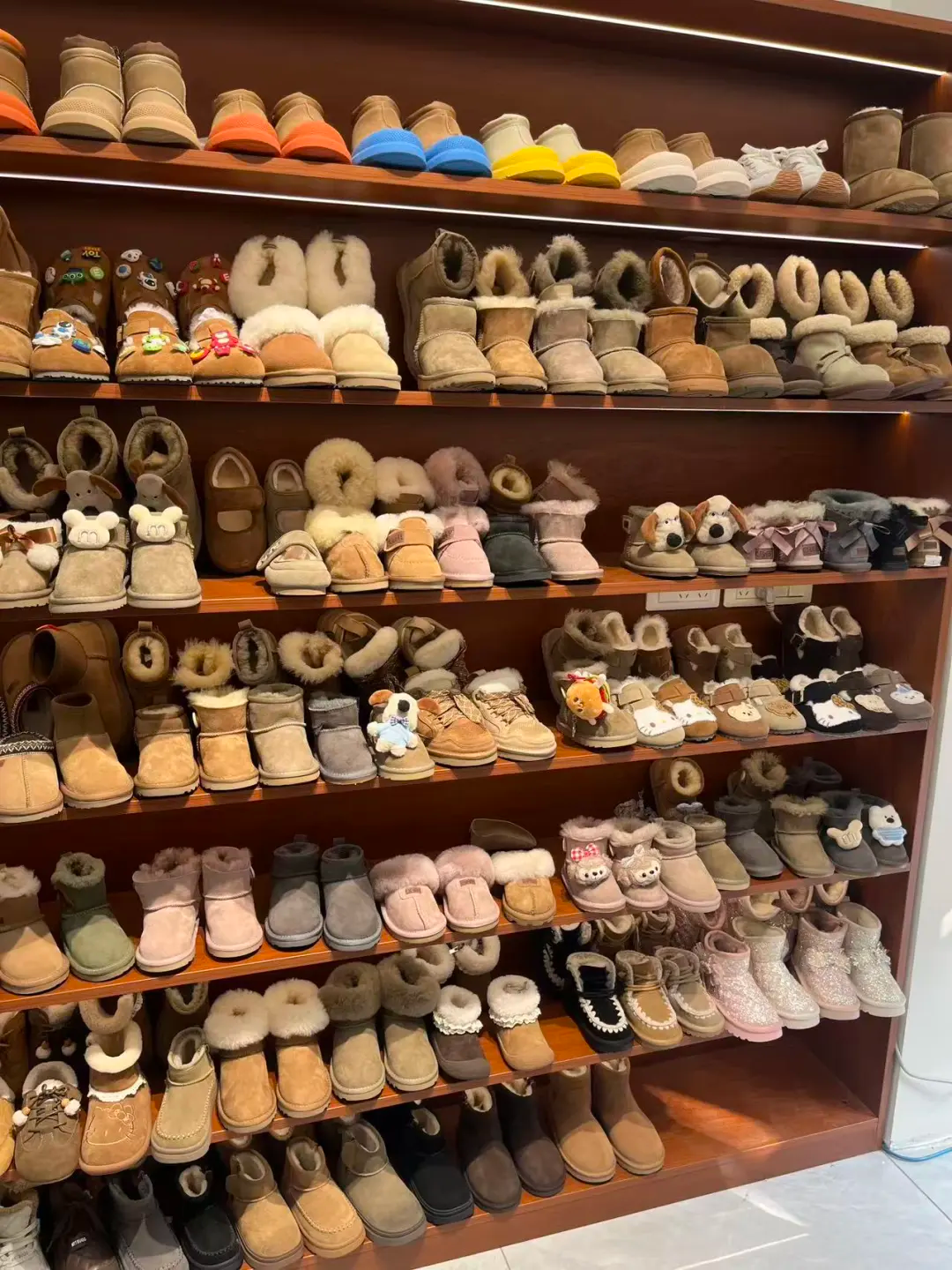
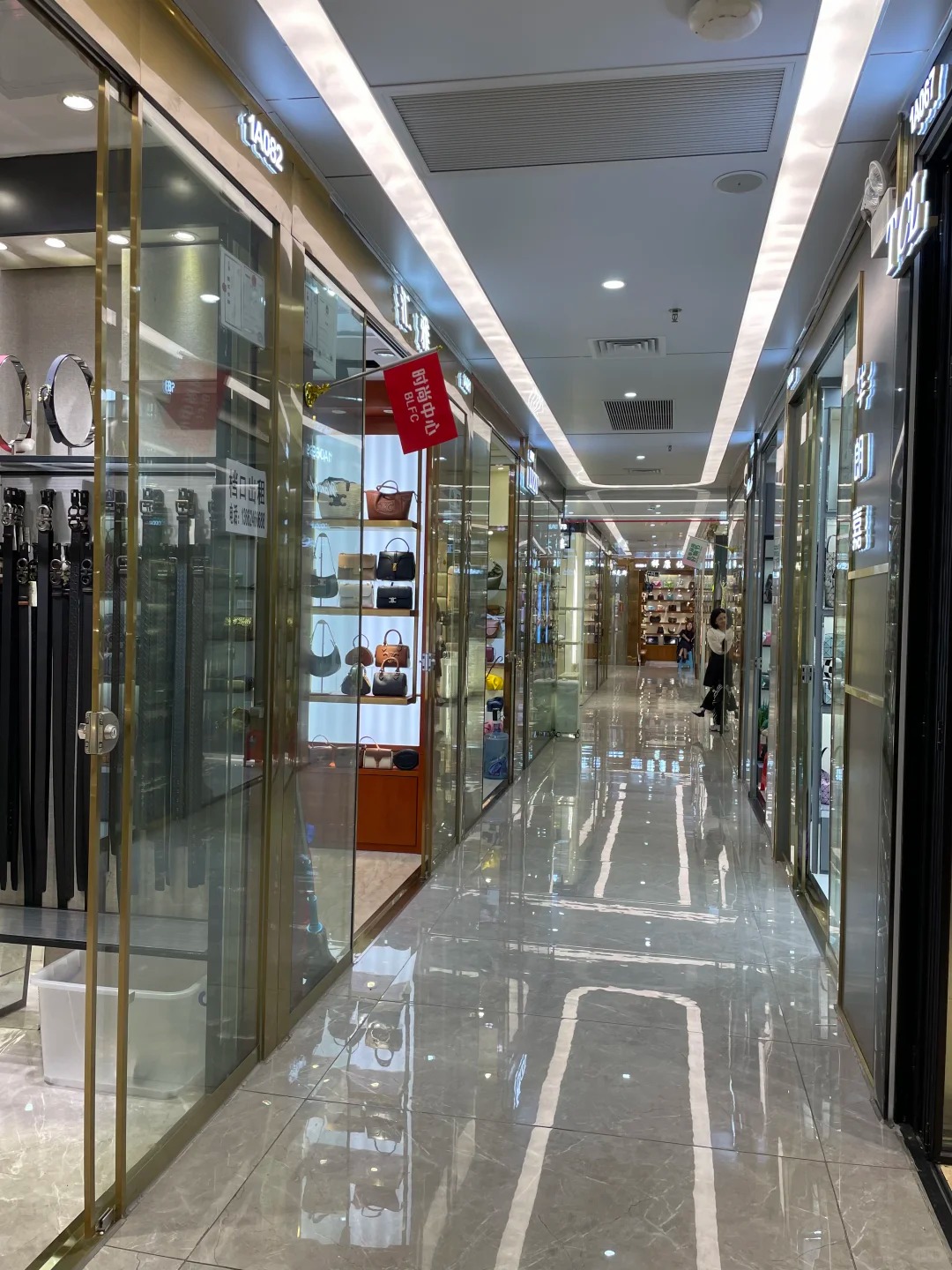
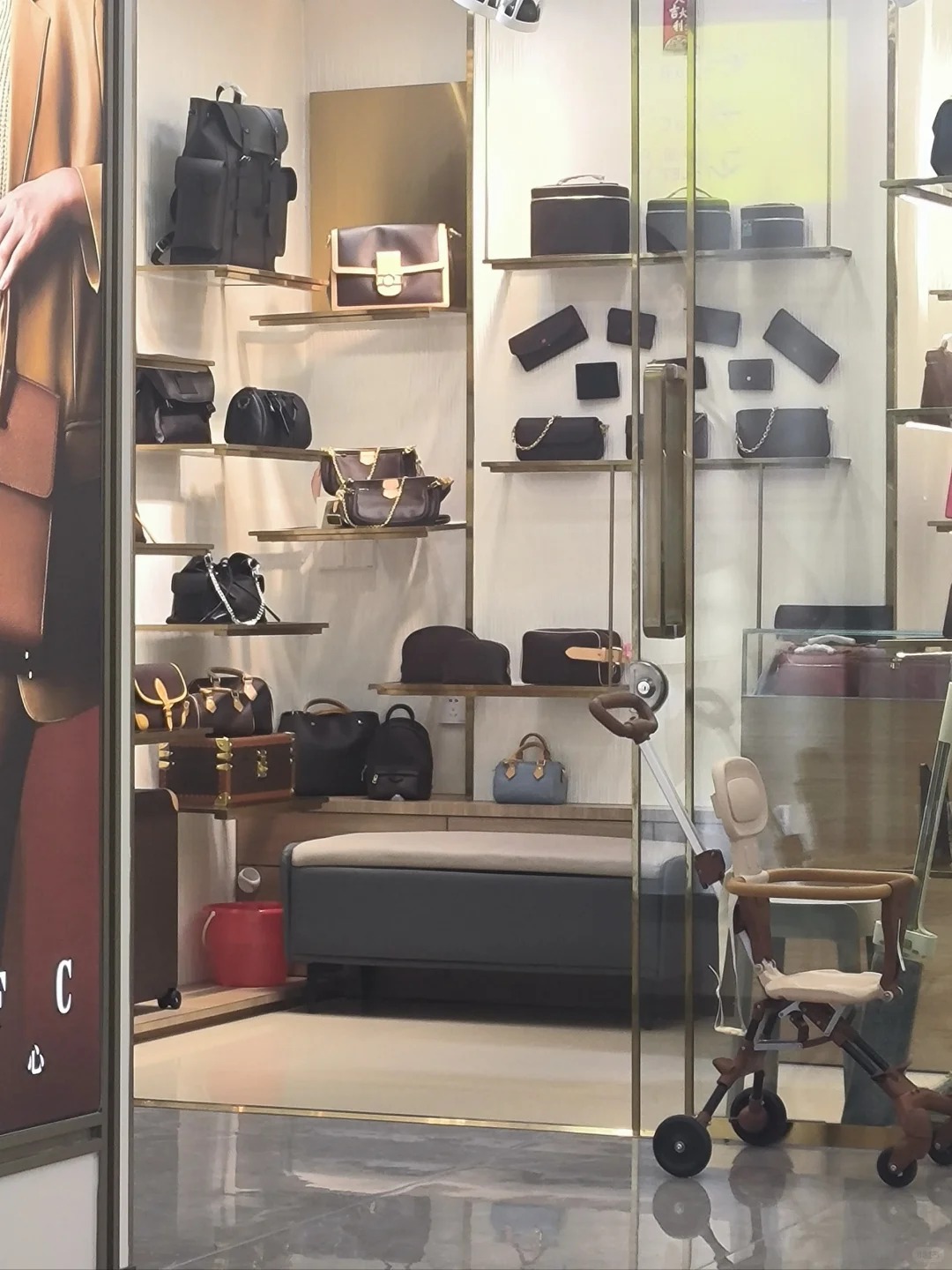
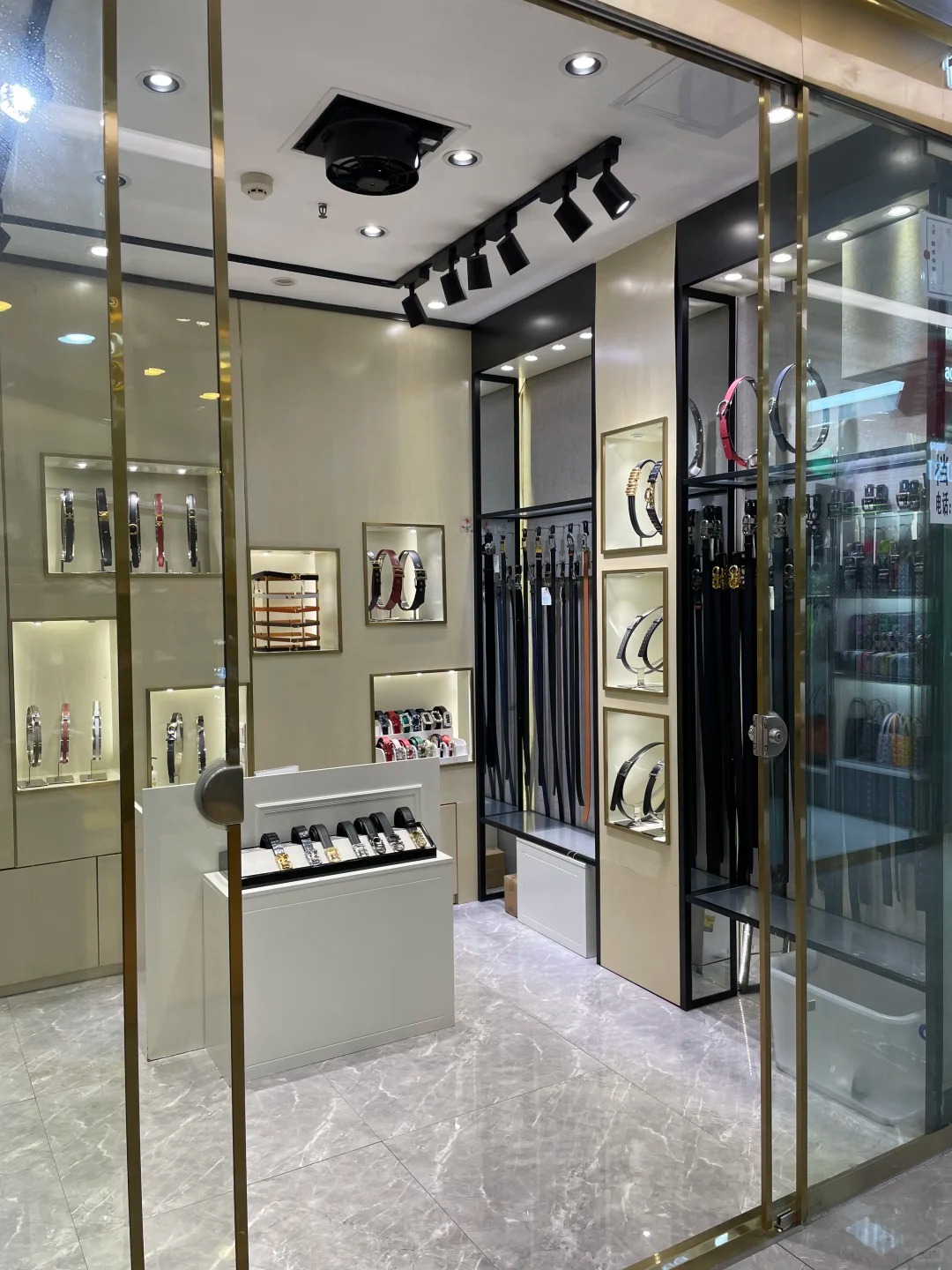
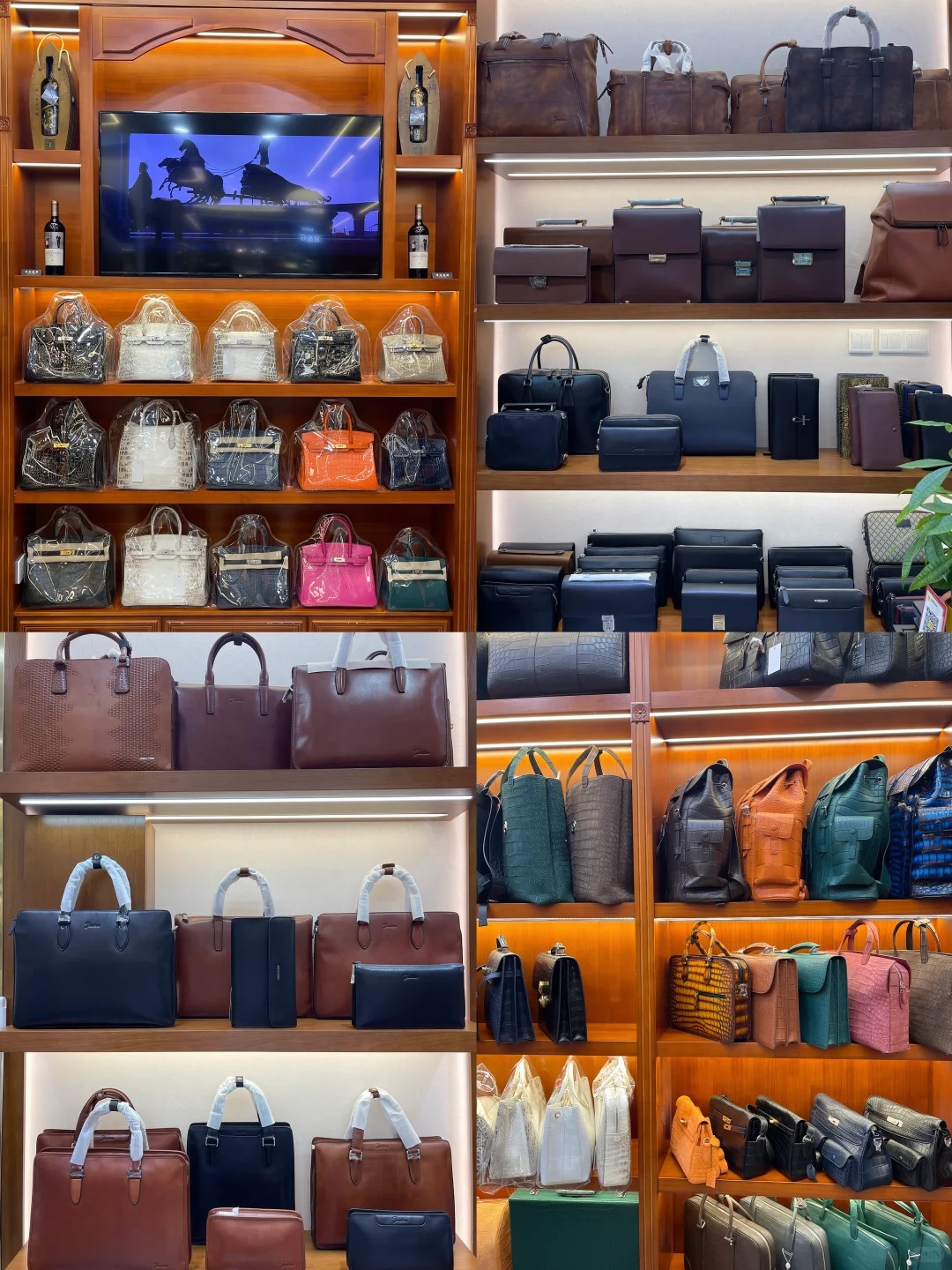
Market stalls in places like Soudangkou (a well-known hub in Guangzhou) stock thousands of items: from African wax prints to electronics. You can buy just 5 pieces of a style, mix colors, and walk out with your goods. This is perfect for Nigerian traders testing new designs.
2. Fabric & Stitching Inspection
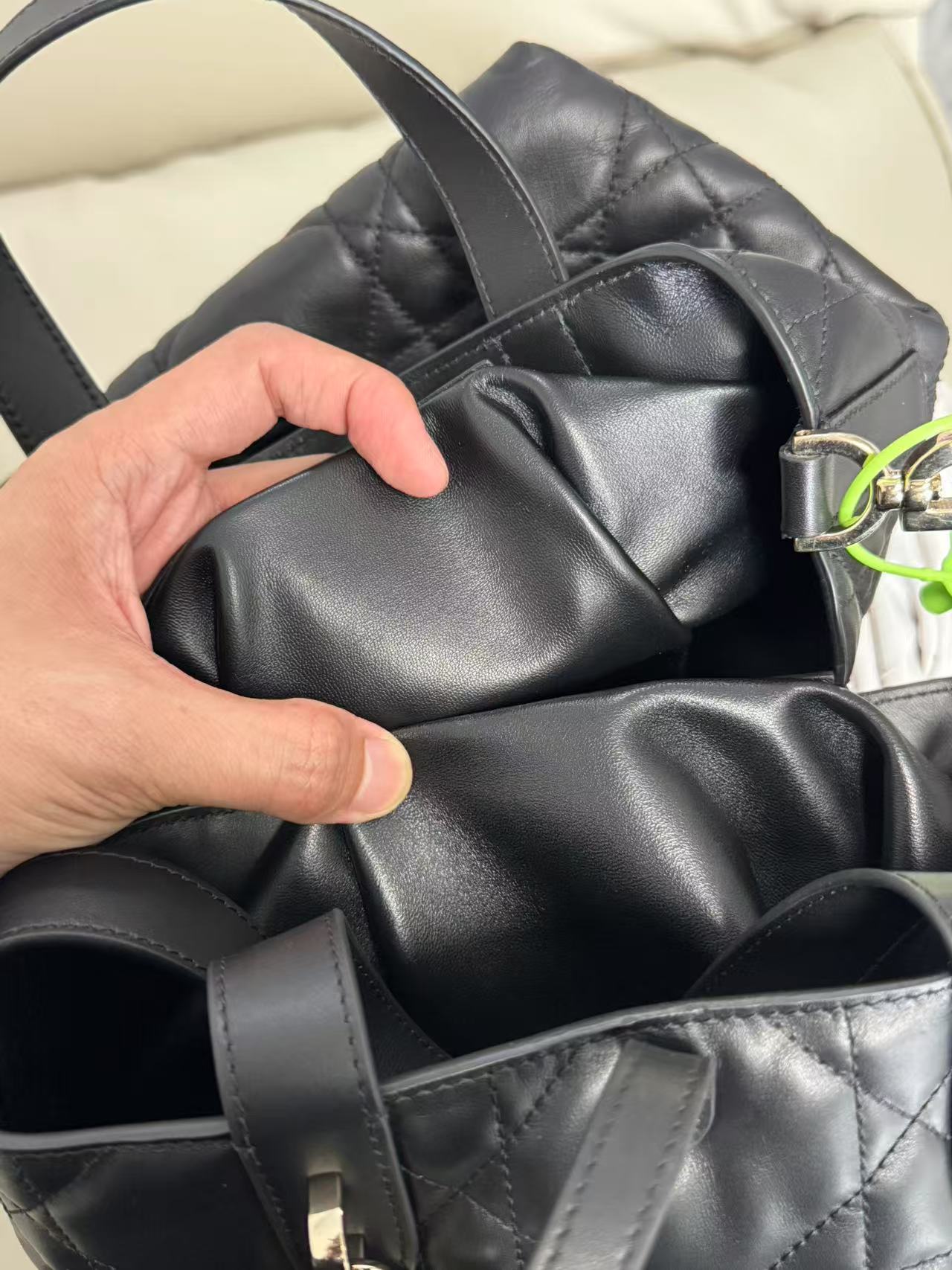
Touch the fabric—is it 100% cotton or a poly blend? Check the stitching: double-stitched seams resist pulling. Look for loose threads, uneven hemlines, or misaligned prints. Good stalls let you run a lighter test on silk, or stretch the elastic. If they refuse, walk away.
3. Price Flexibility
Prices at stalls are negotiable—especially when you buy multiple items. For example, a sequin dress listed at 80 RMB can drop to 50 RMB when you take 10. Always ask for the “wholesale price” and compare with other stalls in the same market.
Step-by-Step Buying Process
Step 1: Find Reliable Market Stall Agents
Use platforms like Soudangkou or hire a local Chinese agent (sourcing agent) who knows the markets. They can send real-time videos of products, verify quality, and handle payments.
Step 2: Select Products & Negotiate
Ask for clear photos of the actual item, not stock images. Request video calls to see the fabric flow. Negotiate price per piece and confirm if shipping is included.
Step 3: Arrange Shipping
Most stalls don’t ship—you need a freight forwarder. Options:
- Air freight (5-10 days, costs more)
- Sea freight (20-30 days, cheaper for bulk)
- Consolidated shipping (combine with others to reduce cost)
Make sure forwarder handles Lagos customs clearance—common issues include undervaluation and missing documents.
Step 4: Payment & Verification
Use Alibaba Trade Assurance, escrow, or Chinese bank transfer. Avoid Western Union for new suppliers. Insist on inspection photos before payment release.
FAQ: Buying from China to Nigeria
| Question | Answer |
|---|---|
| Can I buy online without visiting China? | Yes, use agents like Soudangkou who provide virtual showroom appointments. |
| What documents do I need for import? | Bill of lading, commercial invoice, packing list, Form M (Nigerian requirement), and SONCAP certificate. |
| How do I avoid scams? | Always use payment protection (Alibaba), check supplier licenses, and read reviews on forums. |
| What are the best products to import? | Clothing, shoes, bags, electronics, home decor—items popular in Nigerian markets like Yaba or Ladipo. |
| Is sea or air better for small orders? | Air is faster and safer for small quantities; sea for bulk (over 1 CBM). |
| How can I check fabric quality remotely? | Ask for a video of fabric stretched, close-ups of weave, and a swatch sample shipped to your country. |
| What stitching issues should I look for? | Uneven stitch length, loose threads, skipped stitches—these indicate poor workmanship. |
Final Tips for Nigerian Importers
Build relationships with 2-3 trusted market stalls. Visit Guangzhou every 6 months if possible—seeing the stall in person saves you from bad quality. Always double-check fabric weight and color fastness (rub white cloth on the fabric: if it stains, it’s cheap). For shipping, use agents who consolidate and handle customs—this cuts your risk. Remember: Nigerian customs is strict on undervaluation, so insure your goods properly.
广州服装档口相关入口
继续查看相关市场和品类入口,方便对比档口微信、货源范围、拿货方向和试单前需要核实的信息。