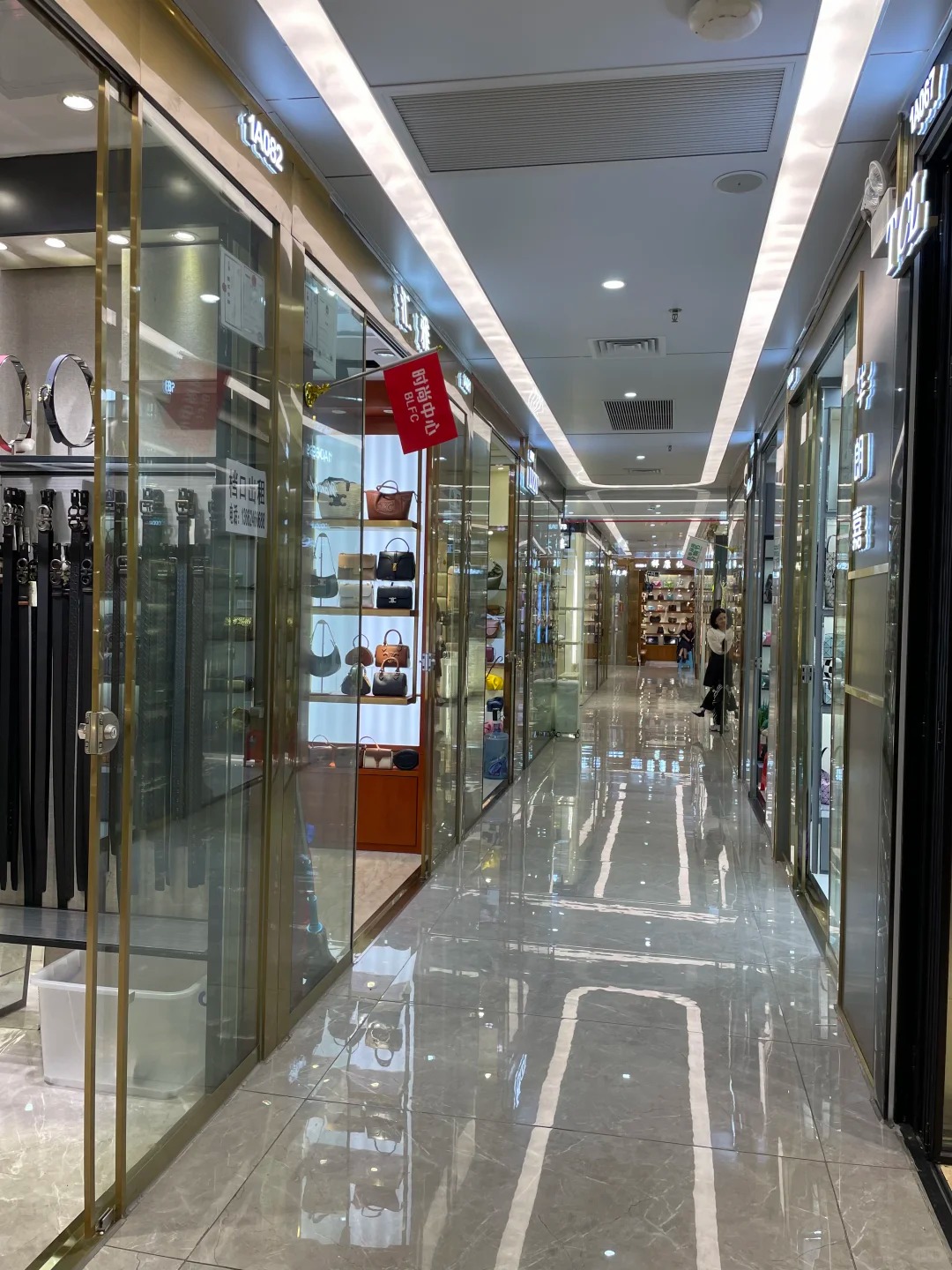

Buying green tea in China directly from wholesale market stalls is the fastest way to get fresh, authentic tea at the right price. This guide covers how to find reliable stalls, evaluate quality (leaf appearance, aroma, taste), negotiate like a pro, and avoid common pitfalls. Whether you’re a small business or a serious buyer, you’ll learn the insider workflow for sourcing green tea in China.
Step 1: Choose the Right Wholesale Market
Not all markets are equal. For green tea, focus on specialized tea wholesale markets in major production or distribution hubs. Examples include the Maliandao Tea Market in Beijing, Dafo Tea Market in Guangzhou, and Jiangnan Tea Market in Hangzhou. These markets have hundreds of stalls, many directly from Zhejiang, Jiangsu, Anhui, or Sichuan—key green tea provinces.
At these markets, you’ll find stalls offering longjing (Dragon Well), biluochun, maojian, and other popular varieties. The advantage of a large market is competition; stall owners are used to selling by the kilo (for wholesale) and expect negotiation.
Step 2: Evaluate Tea Quality Like a Pro
Don’t rely on labels or packaging. At stalls, you can usually ask to see, smell, and taste the tea before buying. Use these four checks:
- Leaf appearance: For high-grade green tea, leaves should be uniform, whole (not broken), and have a vivid green color. Avoid leaves that are dull or have too many stems.
- Aroma: Fresh green tea smells grassy, nutty, or floral (varies by type). If it smells stale, musty, or like grass clippings, it’s old or poorly stored.
- Liquor color: Brew a small sample. The tea liquor should be clear, light green or yellow-green, and bright. Cloudiness or a dull brown hue indicates poor quality or overoxidation.
- Taste: It should be smooth, with slight sweetness or a pleasant astringency. Bitter or harsh taste means low grade or improper processing.
Step 3: Negotiate and Buy in Bulk (现货)
Wholesale stalls thrive on 现货 (spot goods). Unlike contract orders, buying from stock lets you inspect the exact lot you’ll receive. Typical wholesale MOQ (minimum order quantity) is 5 to 10 kilograms per variety, but some stalls sell as little as 1 kg for a slightly higher price.
Negotiation tips:
- Always ask for the pifa jia (wholesale price). Don’t accept the first quoted price—it’s usually 20-50% above the real wholesale price.
- Mention that you’re buying for a business and will be a repeat customer. Stalls prefer long-term relationships.
- Compare prices across 3-5 stalls before deciding. It’s common to walk away and come back.
- If you buy multiple varieties, negotiate a bundled discount.
Step 4: Check Packaging and Logistics
Most stalls offer simple vacuum-sealed bags or bulk sacks. For export, ensure the packaging is airtight and has proper labeling (product name, origin, net weight, production date). Some stalls also provide custom packaging for an extra fee—best for branding.
Arrange shipping via the stall or use a local forwarder. Most markets have shipping counters on-site. For small quantities (under 20kg), courier services like SF Express are reliable. Larger orders (cartons) can be consolidated into sea or air freight.
FAQ: How to Buy Green Tea in China (Wholesale)
| Question | Answer |
|---|---|
| What is the best green tea to buy as a beginner? | Start with Longjing (Dragon Well)—it’s the most popular and widely available. Look for “Mingqian” (pre-Qingming) for highest quality. |
| How do I know if green tea is fresh? | Fresh tea has a bright color, strong aroma, and crisp taste. Old tea looks dull and smells like hay. |
| What is the minimum quantity I can buy wholesale? | Usually 5-10 kg per variety, but some stalls accept 1 kg for a price premium. |
| Is it safe to buy without a contract? | Yes, for spot goods (现货). Always inspect before payment. Get a receipt with stall details. |
| Can I taste before buying? | Absolutely. Most stalls will brew a sample for you. If they refuse, it’s a red flag. |
| How to avoid fakes? | Stick to reputable stalls in major markets. Look for local certification labels (e.g., “Zhejiang Longjing” registered trademark). |
Soudangkou connects buyers directly with vetted tea stalls in China’s top wholesale markets, offering transparent pricing and quality assurance. Whether you’re searching for premium longjing or everyday biluochun, our platform simplifies sourcing—you check the tea, place the order, and we handle logistics. Start your green tea sourcing journey today at soudangkou.com.
Final Tips
Buying green tea in China wholesale is straightforward if you focus on market stalls with visible stock, practice your negotiation skills, and trust your senses. Build a relationship with one or two stall owners for consistent quality. Remember: the best deals come from inspecting and buying directly from the stall.
广州服装档口相关入口
继续查看相关市场和品类入口,方便对比档口微信、货源范围、拿货方向和试单前需要核实的信息。