
How to Buy Not Made in China: A Practical Guide for Wholesalers
The short answer: You can buy products made outside China by sourcing from markets in Vietnam, Bangladesh, Mexico, Turkey, India, and Eastern Europe. But here’s the reality: many “not made in China” items are still assembled from Chinese components. To truly avoid China, you must verify the final assembly and component origin.
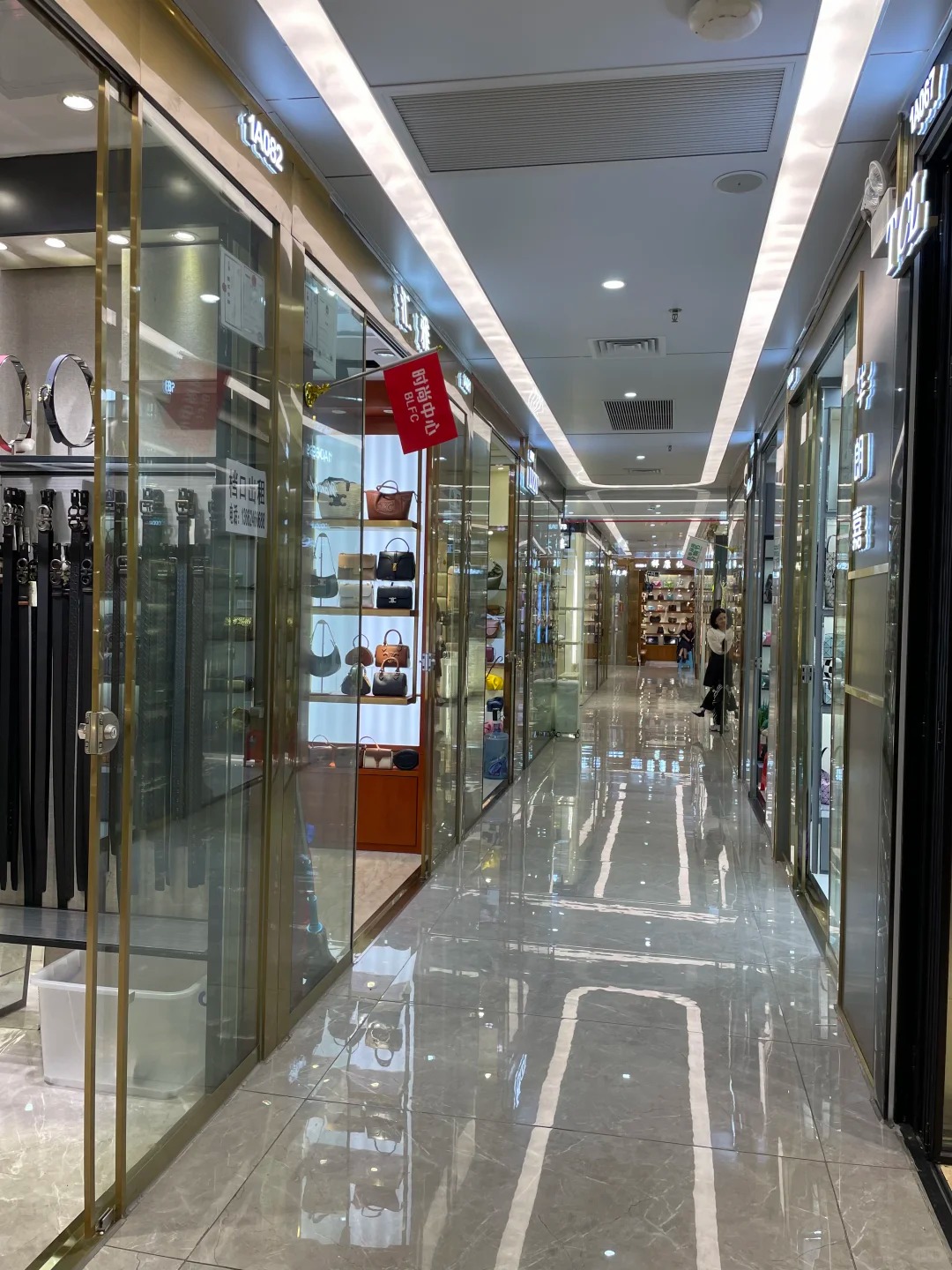
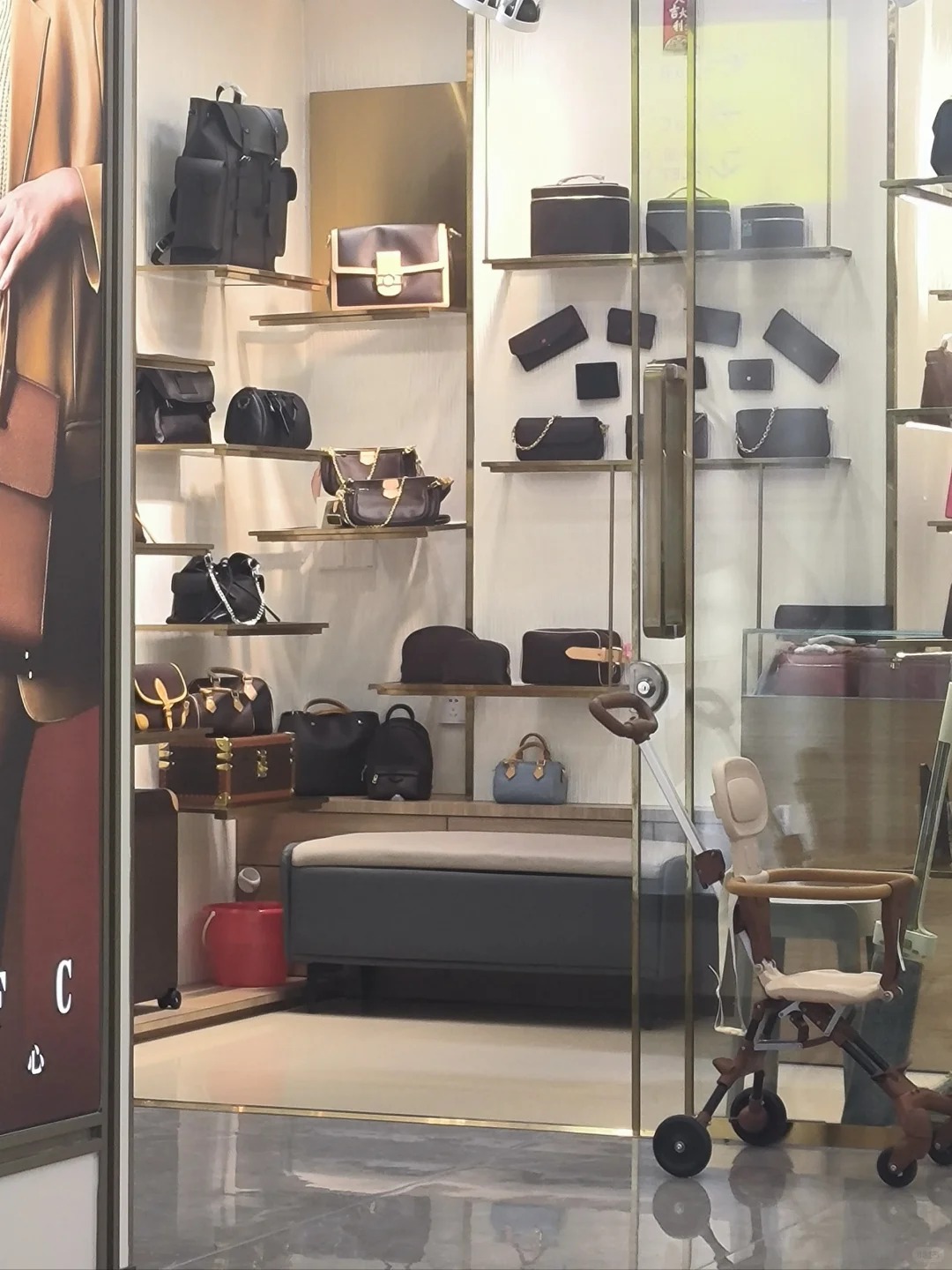
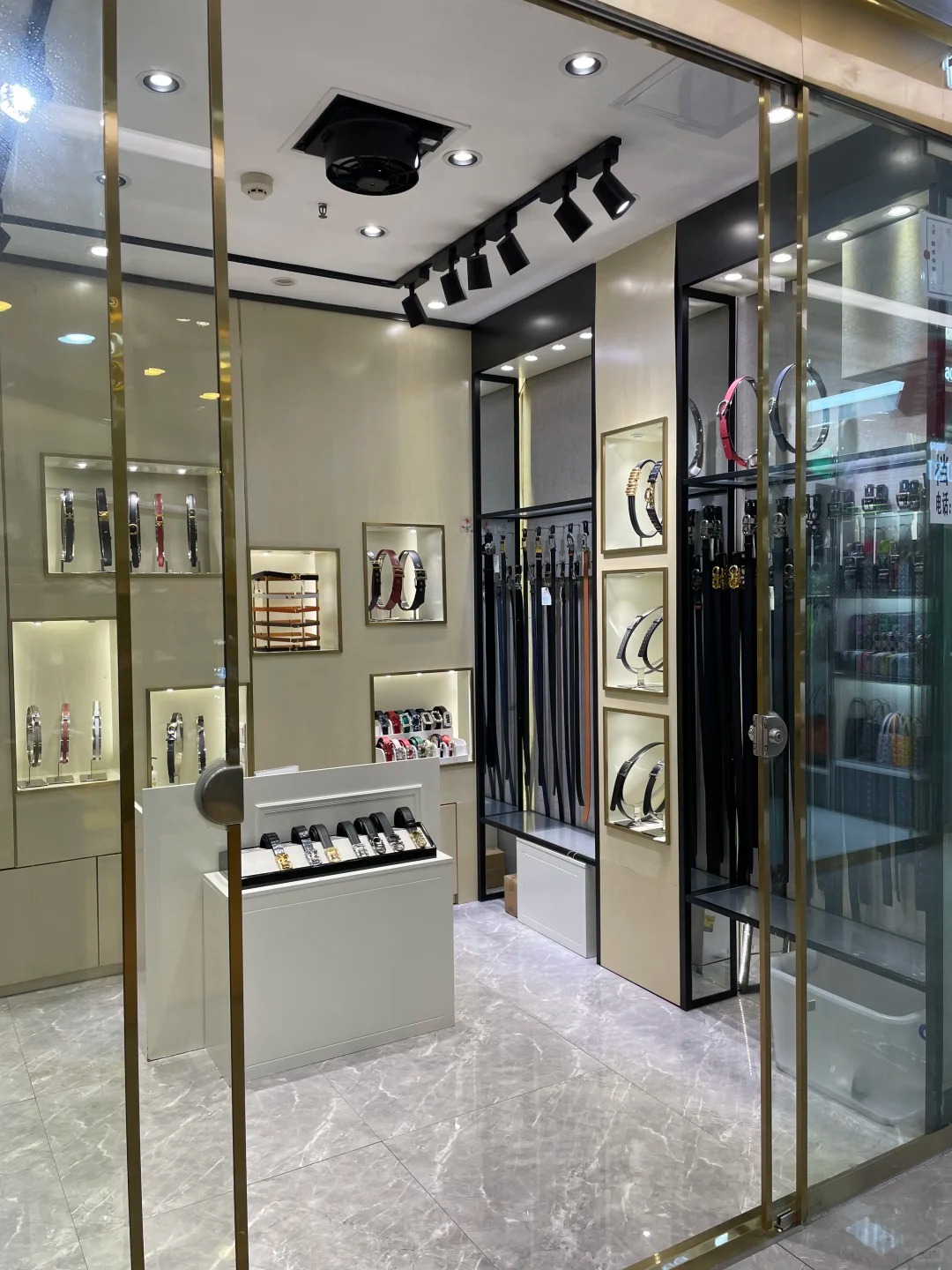
If you’re shopping at a physical wholesale market like Soudangkou, you can touch and examine the goods firsthand. This guide will teach you exactly how to inspect for country of origin, assess quality, and find reliable suppliers.
Why Buy Not Made in China?
Common reasons include: avoiding tariffs, seeking specific craftsmanship (e.g., Italian leather), reducing supply chain risk, or meeting “Made in [Country]” labeling requirements for your target market. Whatever your reason, being able to identify true non-Chinese production is a skill that saves money and legal trouble.
How to Verify the Country of Origin
1. Check the Labels and Tags
- Look for “Made in Vietnam”, “Made in Bangladesh”, etc. But beware: counterfeit labels exist. Check for frayed edges or cheap printing. Genuine tags are sewn cleanly.
- On machinery or electronics, look for a “Country of Origin” stamped on the product or its packaging. If it’s vague (e.g., “Assembled in USA”) insist on seeing a COO certificate.
2. Inspect the Product Components
- For apparel: check the zippers, buttons, and threads. Chinese-made zippers are common in garments assembled elsewhere. If the zipper says YKK (Japan) but the garment says Bangladesh, that’s fine. But if the zipper is unbranded, it might be Chinese.
- For electronics: open the battery compartment or look for a serial number. Chinese-manufactured components often have Chinese characters on circuit boards.
3. Ask for Documentation
- A reputable wholesaler can provide a Certificate of Origin (COO) from the exporting country’s chamber of commerce. If they hesitate, walk away.
- Request a Bill of Lading showing the port of loading. If the product claims to be from Vietnam but shipped from Shanghai, it’s probably Chinese.
Evaluating Quality Beyond Origin
Just because it’s not made in China doesn’t mean it’s better. Bangladeshi garments can have loose threads, and Vietnamese electronics may lack durability. Use these hands-on checks:
| Product Type | What to Check |
|---|---|
| Apparel | Fabric feel (e.g., cotton thread count), seam stitching (straight? loose?), button attachment (reinforced?), label quality |
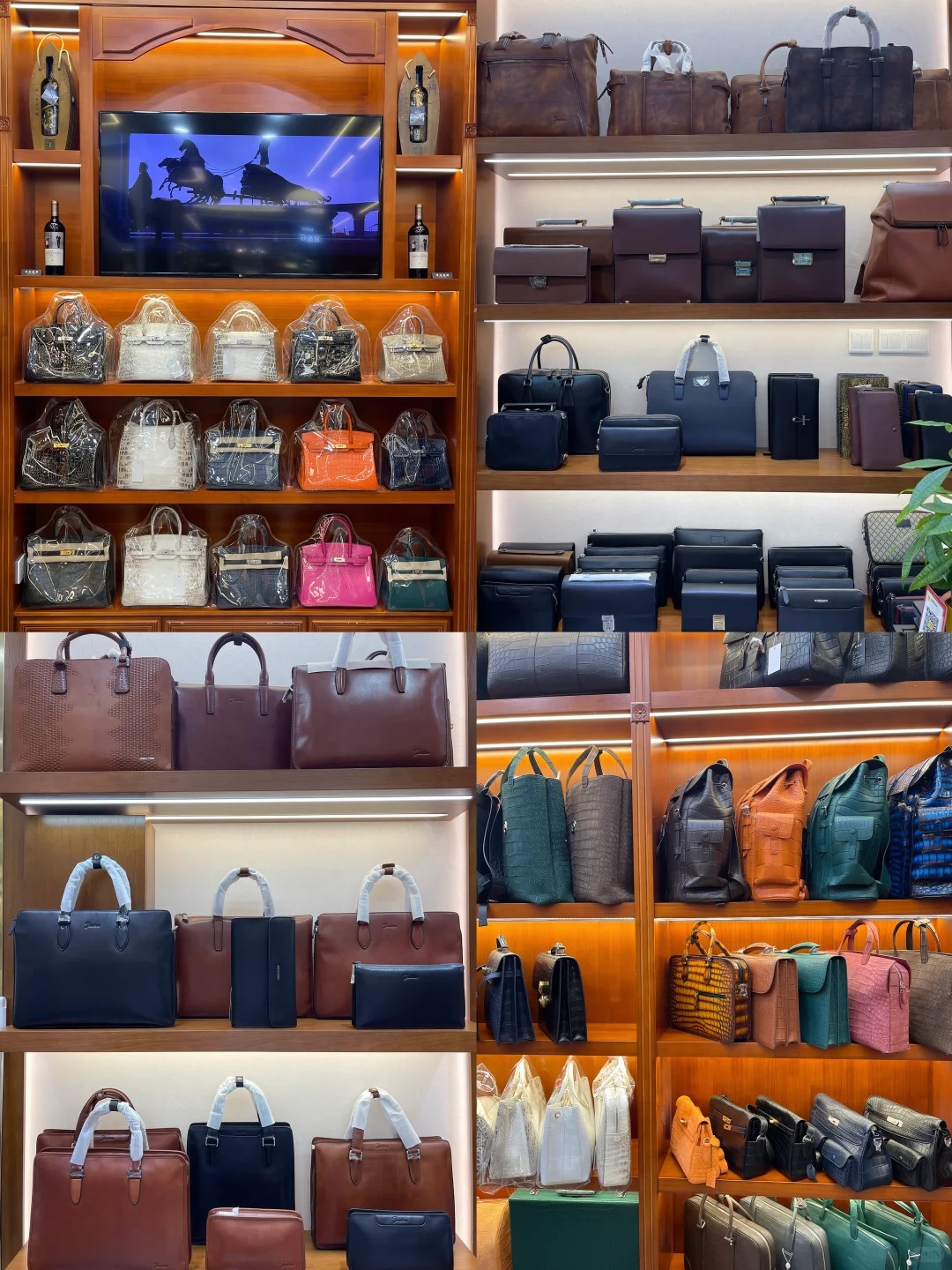
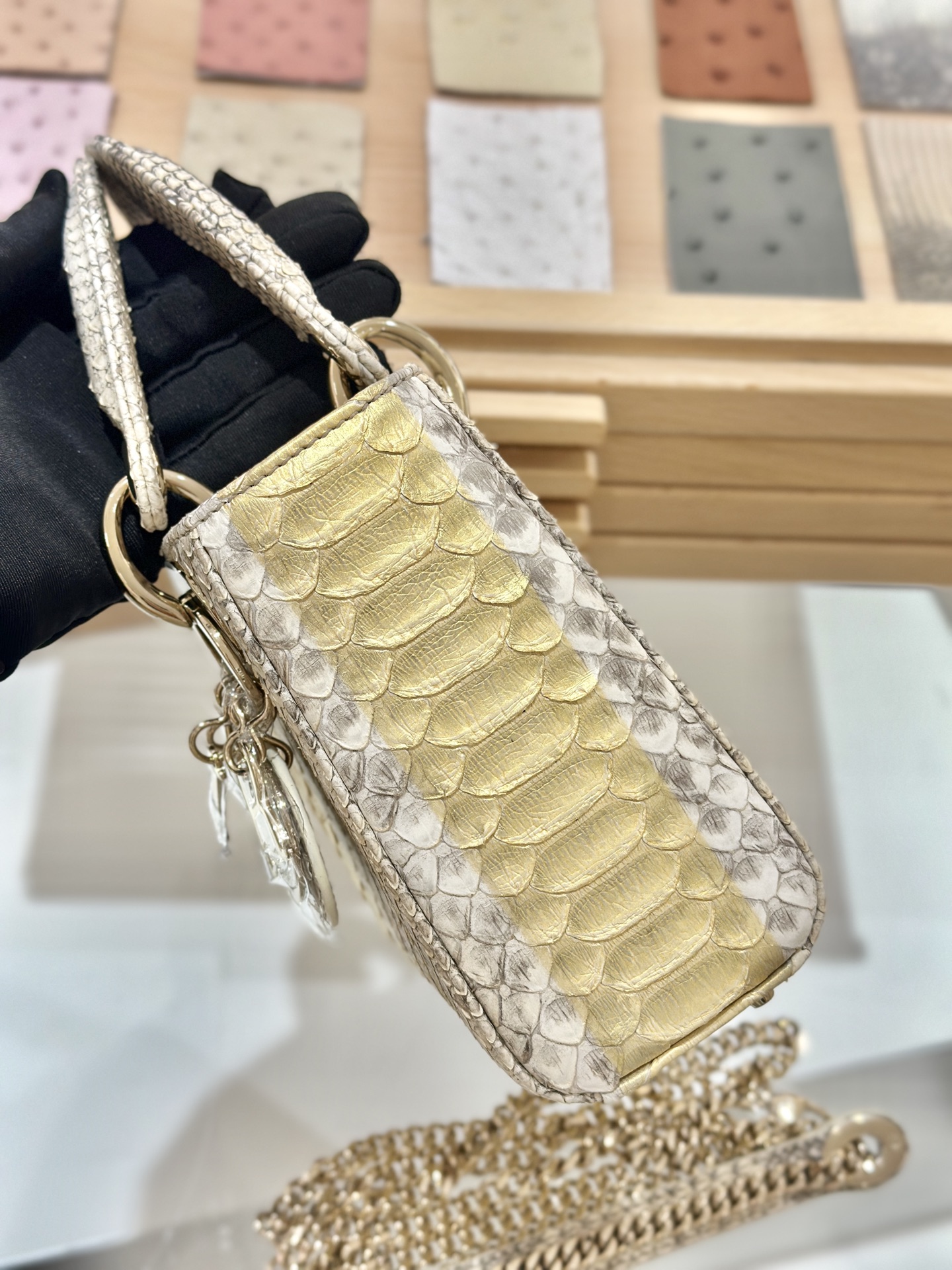
| Leather goods | Smell (real leather has a distinct scent), grain pattern (natural vs. pressed), edge finishing (painted in multiple layers?) |
| Electronics | Weight (heavier often means better materials), button feel (clicky vs. mushy), screen clarity (no dead pixels) |
| Footwear | Sole bendability (flex without creasing), insole removal (should be easy), glue residue (none visible) |
Where to Buy Not Made in China
- Vietnam: Textiles and footwear. Visit Ho Chi Minh City’s Ben Thanh market or district 1 wholesalers.
- Bangladesh: Garments, especially denim. Contact the BGMEA for factory lists.
- India: Home decor, jewelry, and some electronics. Local markets like Chandni Chowk in Delhi.
- Turkey: Leather goods and textiles. Laleli and Grand Bazaar in Istanbul.
- Mexico: Automotive parts and some clothing. Try the Mercado de Mostores in Guadalajara.
- Eastern Europe: For specialty machinery, check trade fairs in Germany or Poland.
FAQ: Buying Not Made in China
| Question | Answer |
|---|---|
| Is it legal to relabel Chinese products as from another country? | No. That’s fraud and can lead to legal penalties. Always verify the actual origin. |
| Can I trust a “Made in” label? | Not always. Counterfeit labels are common. Use the inspection tips above to verify. |
| Are products made outside China always higher quality? | No. Quality varies by factory, not just country. Some Chinese factories produce excellent goods; some Bangladeshi factories cut corners. |
| How can I find reliable suppliers outside China? | Attend international trade shows (e.g., Ambiente in Frankfurt), use trade directories like Kompass, and work with local sourcing agents. |
| What if I want to avoid Chinese components entirely? | That’s very difficult. Most global supply chains include Chinese parts. You may need to source from countries that produce their own raw materials, like Ethiopian leather or Italian wool. |
| Can I use a platform like Soudangkou to find non-Chinese products? | Yes, but filtering by origin is tricky. You’ll need to manually check each seller’s claims and documentation. |
Conclusion
Buying not made in China is possible but requires due diligence. Start by identifying your target product categories and countries with a strong manufacturing base in those goods. Visit wholesale markets to inspect items personally, and always ask for documentation. With practice, you’ll spot red flags instantly.
If you’re unsure, consider working with a sourcing agent who specializes in the region you’re targeting. They can verify factory credentials, inspect samples, and negotiate pricing. For ethical sourcing, ensure factories comply with local labor laws and environmental standards.
广州服装档口相关入口
继续查看相关市场和品类入口,方便对比档口微信、货源范围、拿货方向和试单前需要核实的信息。