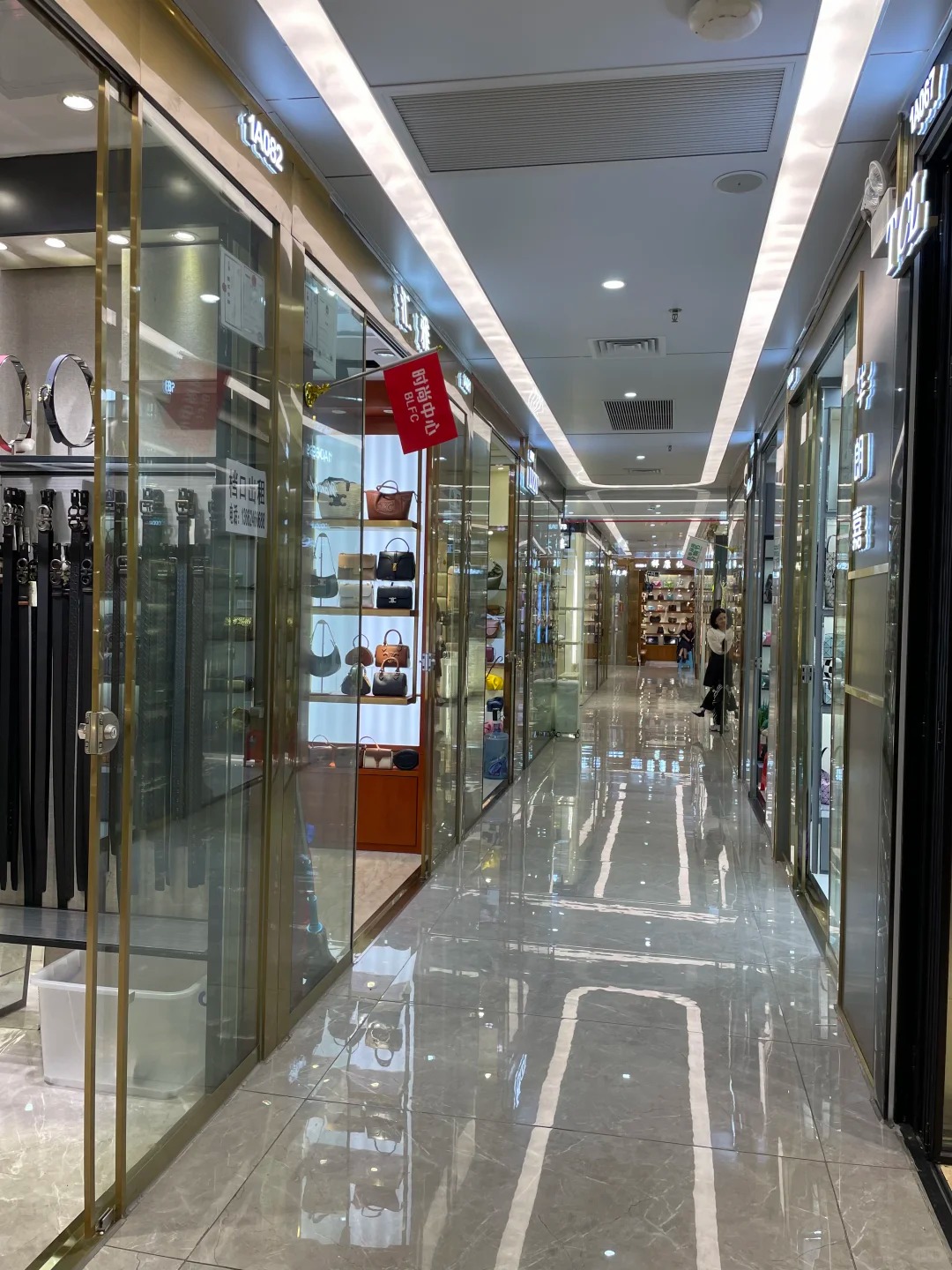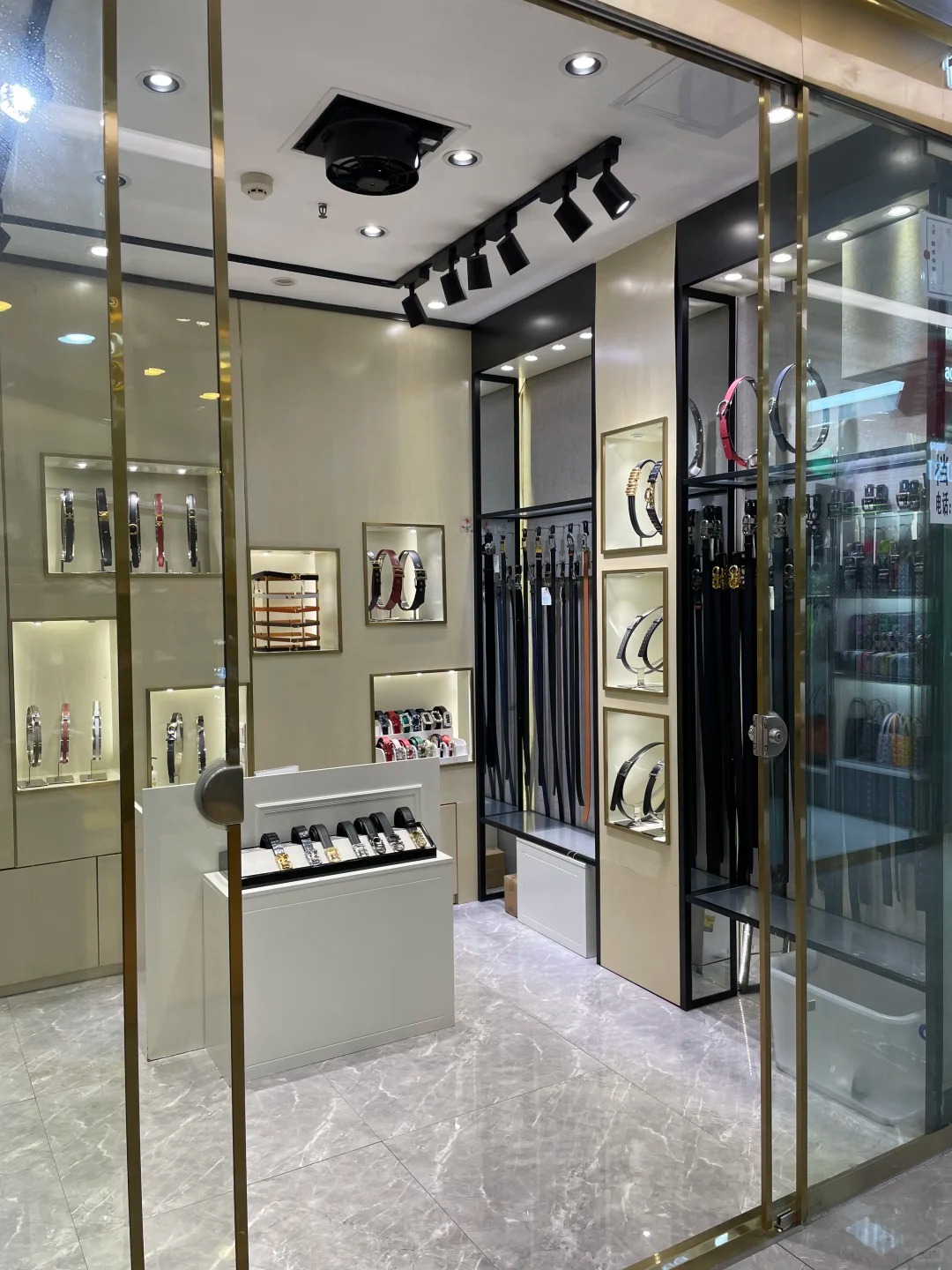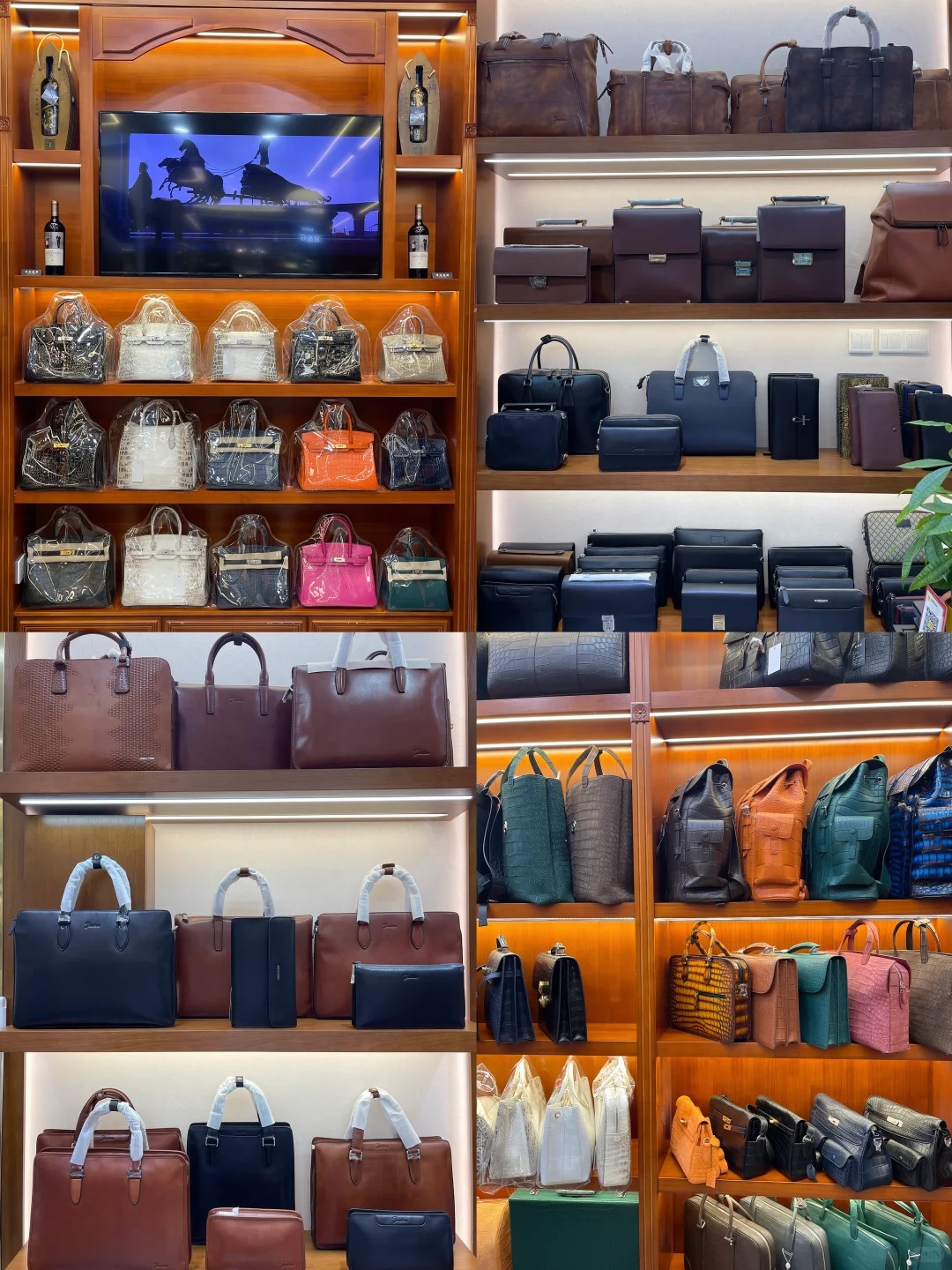

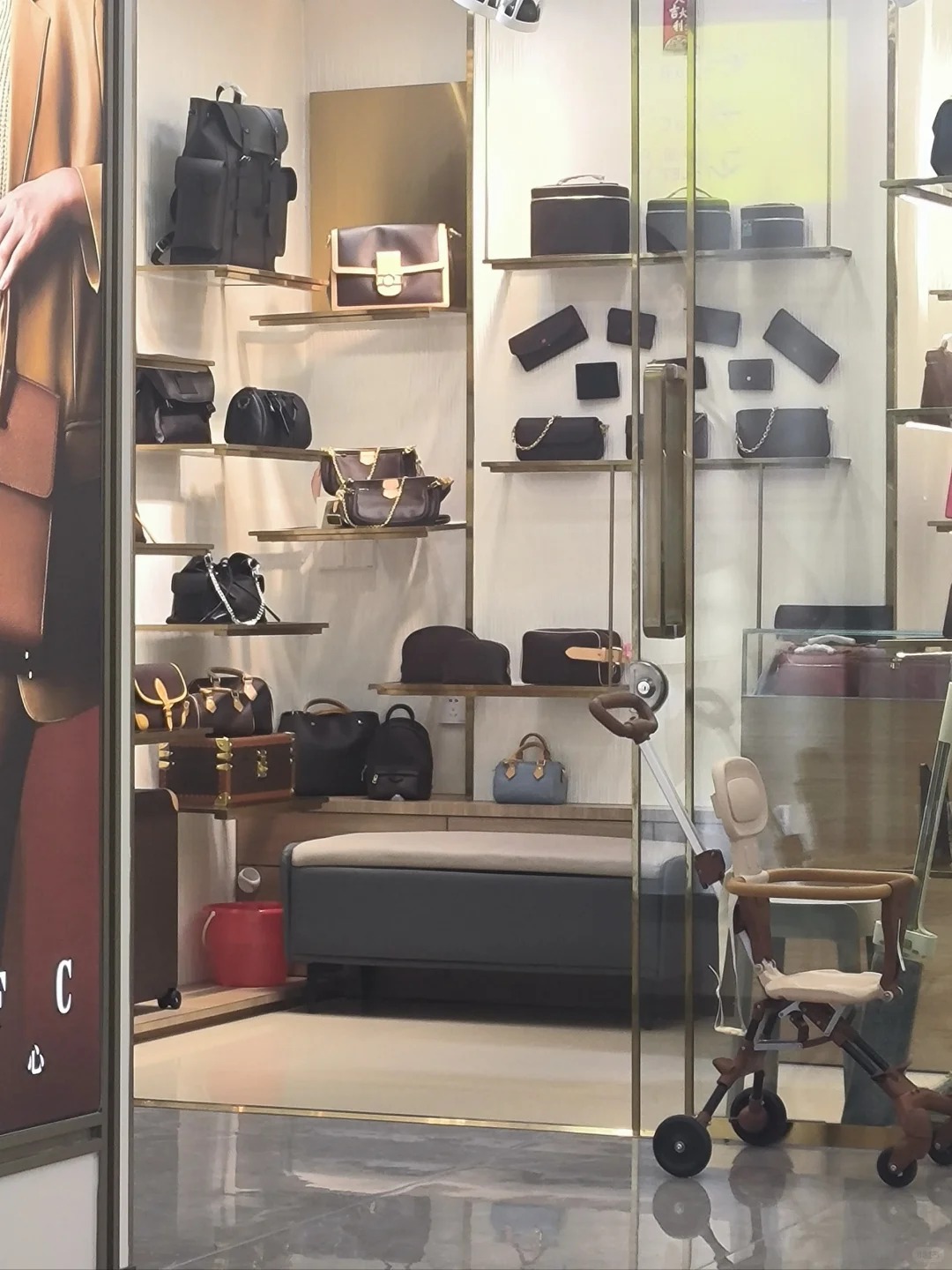
To buy wholesale from China and resell profitably, focus on visiting physical wholesale markets like Yiwu International Trade Market or Guangzhou’s Shahe area, where you can inspect first-hand stock, feel fabric quality, and check stitching on the spot. Skip middlemen by negotiating directly with stall owners, ordering small test batches, and building relationships. Use platforms like Alibaba or Soudangkou to find verified suppliers, but always verify samples before bulk buying.
Why Physical Markets Beat Online Sourcing
Online listings can hide defects. In markets like Yiwu, you see the exact product—fabric texture, color accuracy, and stitching. Stall owners offer instant discounts for cash purchases and allow you to mix sizes/colors per batch. For example, a T-shirt stall may let you pick 12 pieces across 4 colors without MOQ (minimum order quantity).
Key Tips for Market Visits
- Go early morning (8-10am) when fresh stock arrives and owners are more open to negotiations.
- Carry a fabric loupe to inspect thread count and weave. Reject items with loose threads or uneven seams.
- Bring a checklist: measure size tolerance (e.g., ±1cm), check colorfastness by rubbing a damp cloth, and test zippers/buttons at least 5 times.
Evaluating Fabric and Stitching Quality
Ask for the fabric composition tag. Chinese 100% cotton usually means quality. Poly-cotton blends (65/35) are durable for budget items. Stitching should be 10-12 stitches per inch – fewer means weak seams. Pull threads gently; if they fray easily, reject. Look for reinforced seams on stress points like crotch seams on pants.
Spotting First-Hand Stock
Wholesalers often differentiate first-hand stock (direct from factory) from leftover lots. First-hand items have crisp packaging, no dust, and uniform sizing. Resellers who buy first-hand stock avoid selling damaged or outdated products. Platforms like Soudangkou list verified stall owners with real-time first-hand inventory, but always cross-check with samples.
Negotiation Tactics for Stall Owners
Start with a 30% lower offer than their quote. Stall owners expect haggling. Build rapport by buying a small batch first. If you plan to reorder, ask for prepaid discounts (5-10% off). Never pay full price upfront – split payment: 30% deposit, 70% upon inspection.
FAQ: How to Buy Wholesale from China and Resell
| Question | Answer |
|---|---|
| What is the minimum order quantity? | Varies; physical markets often allow as low as 12 pieces per style. Online may require 50-100. |
| How do I avoid scams? | Never wire full payment. Use secure platforms or inspect goods before final payment. |
| What shipping is best? | Air for small orders (<2 weeks); sea for bulk (20-30 days). Consolidators offer cheaper rates. |
| How to check fabric quality? | Burn a thread! Real cotton smells like paper; polyester melts and smells plastic. |
| Can I return defective goods? | Yes, if you have a contract. Most markets have arbitration centers. |
| Should I use an agent? | Only if you can’t travel. Agents charge 5-10% commission and may inflate prices. |
Reselling Strategy
Once you have stock, sell on Amazon, eBay, or your own site. Price at 2-3x your wholesale cost. Use professional photos – hire a freelancer on Fiverr for $20 per product. Test items for quality control before listing. Build a brand story: emphasize direct-from-factory value.
Avoiding Common Pitfalls
Many beginners over-order. Start with 3-5 designs, 50 units each. Track sales data and reorder best-sellers. Don’t fall for “exclusive distributorship” – it’s often a trap to make you buy large quantities. Focus on cash flow and repeat customers.
Remember: success in buying wholesale from China and reselling comes from hands-on verification. Whether you visit markets or use online tools like Soudangkou, sample first and negotiate hard. Your profit margin depends on your sourcing skills.
广州服装档口相关入口
继续查看相关市场和品类入口,方便对比档口微信、货源范围、拿货方向和试单前需要核实的信息。