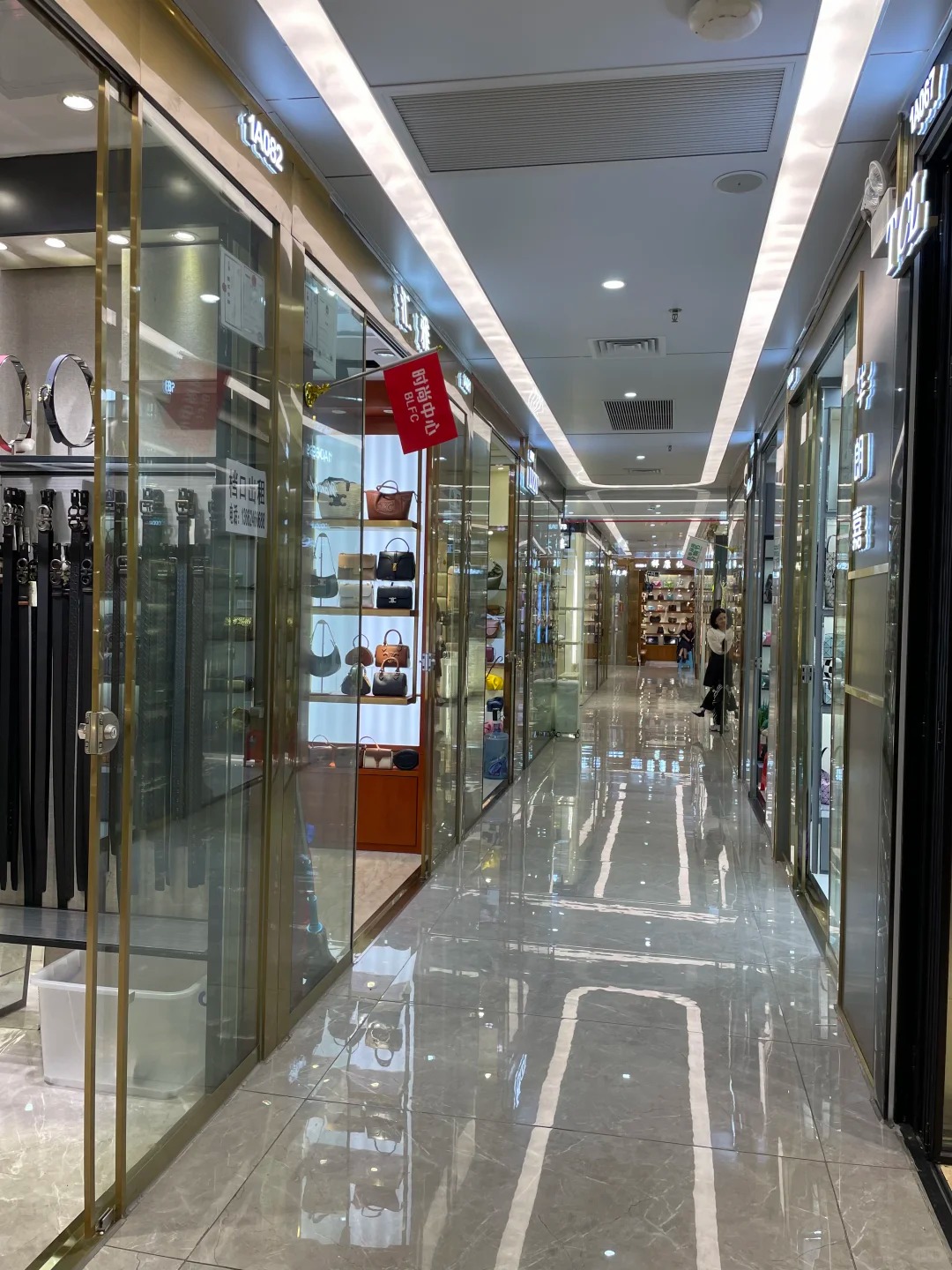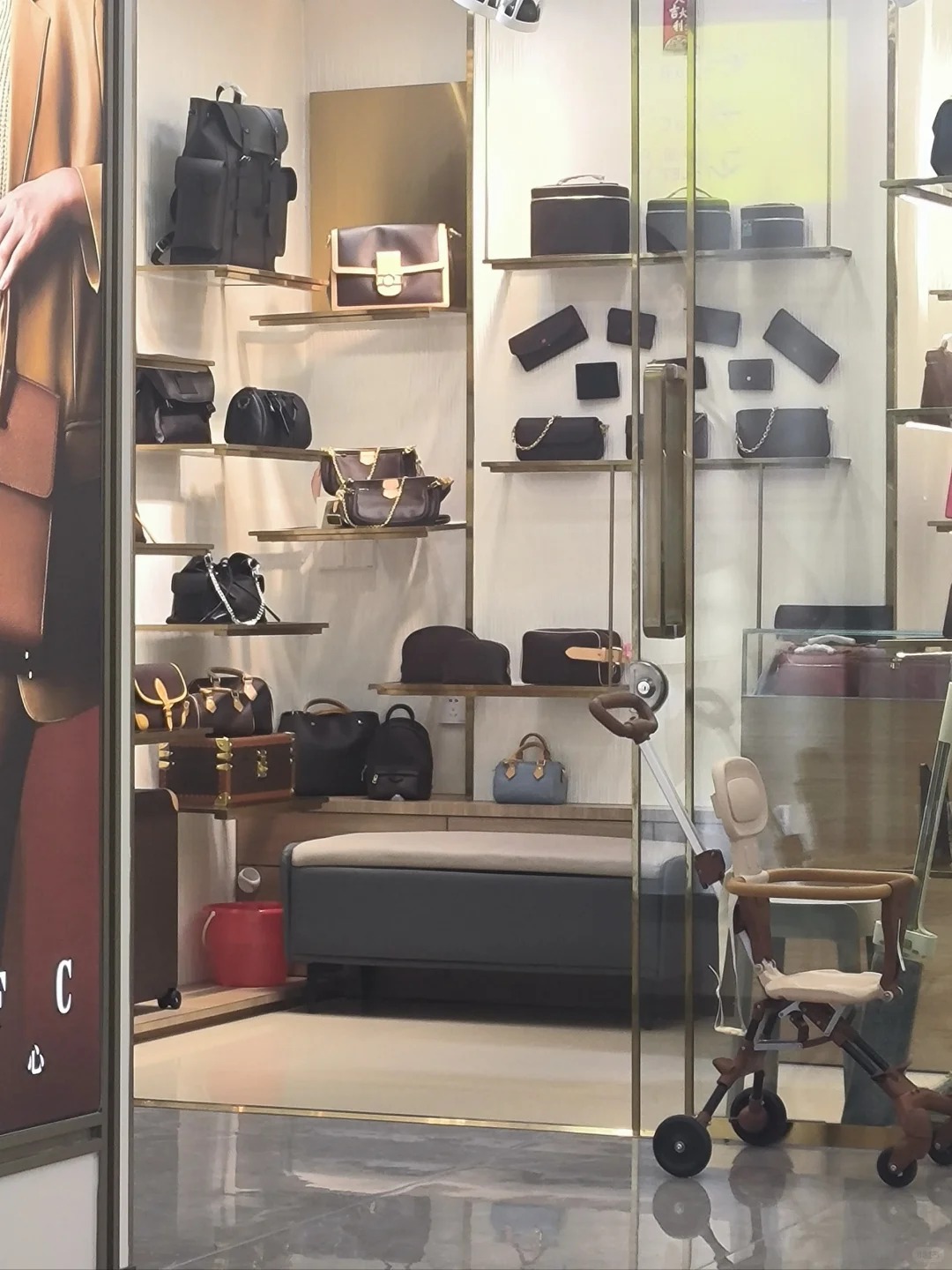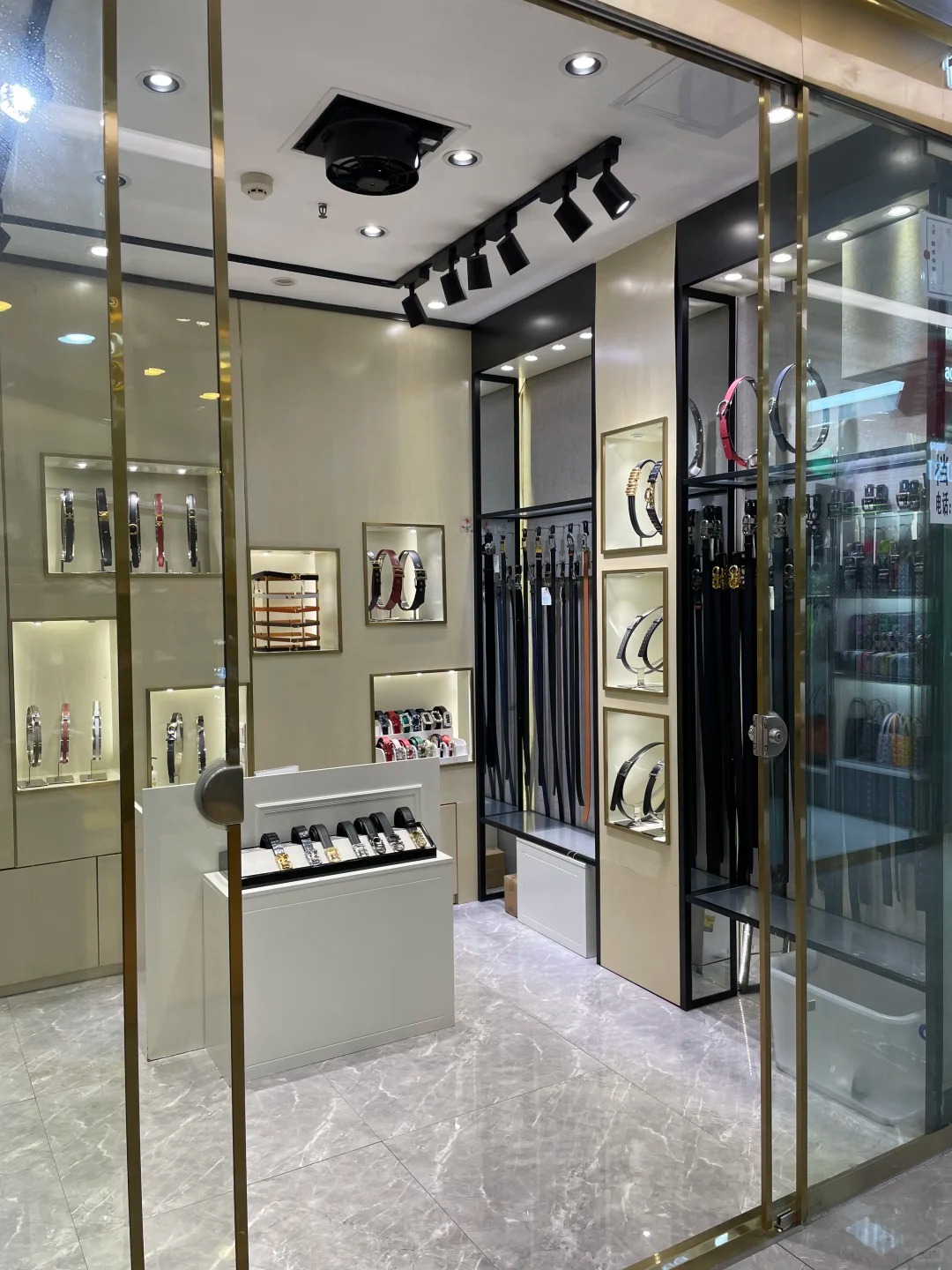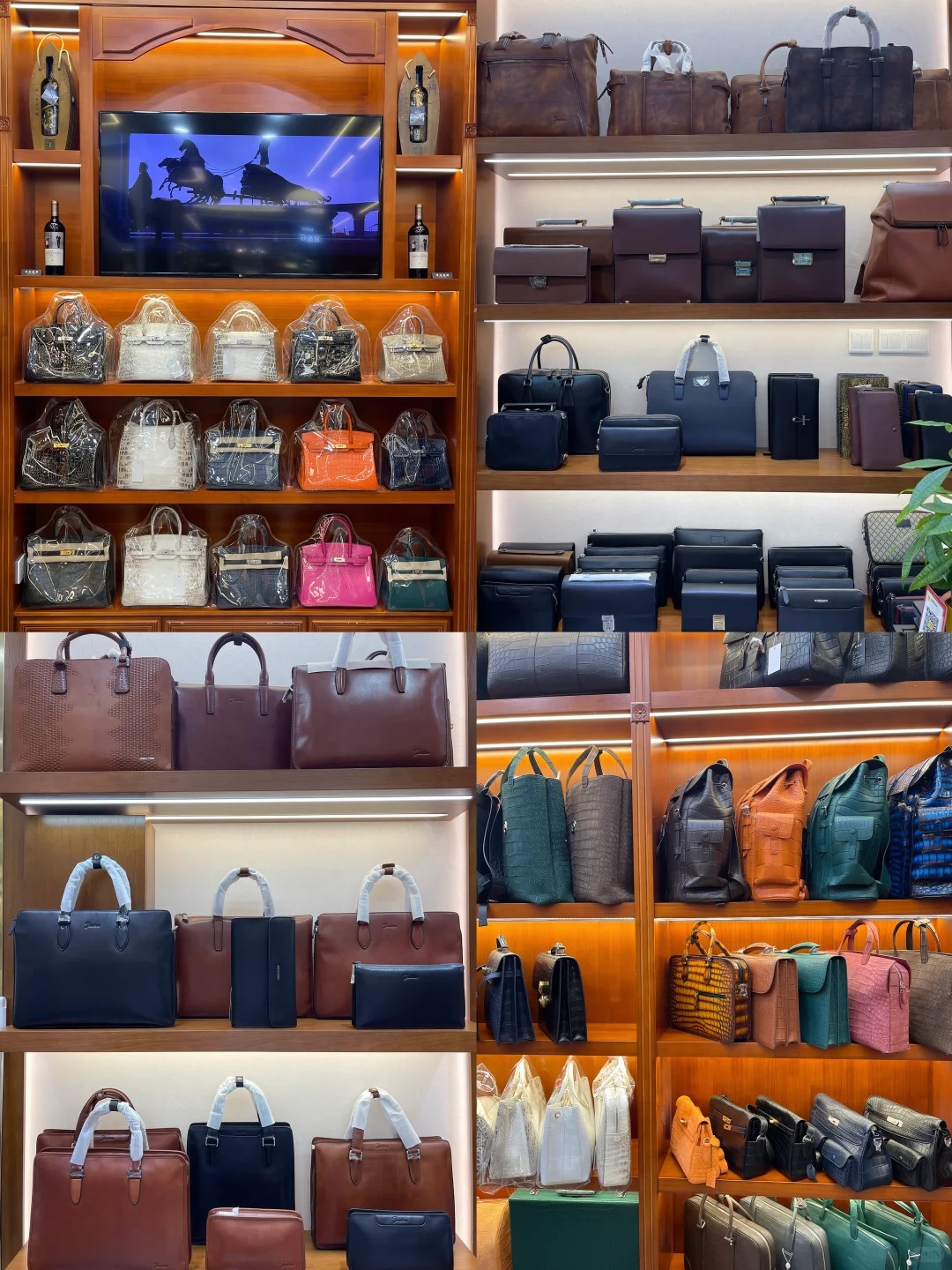

No, shoes made in China are not inherently bad. The quality varies dramatically based on the factory you choose. As a wholesale market insider, I’ve seen plenty of crappy shoes—but I’ve also handled premium kicks that rival any top brand. The secret? Knowing where to look and what to feel for.
Let’s cut through the noise. Cheap, poorly made shoes exist, but they’re a choice. Most of the ‘bad’ reputation comes from low-end fast fashion. Meanwhile, China’s top-tier factories produce for Nike, Adidas, and luxury houses. The real question is: how do you, as a buyer, find the good stuff?
Why the Reputation Exists
The ‘made in China’ label once meant low cost and minimal quality. That’s changed. But the perception lingers because lots of low-margin, single-season shoes flood the market. Think thin soles, glue spots, and faux leather that peels. These exist—but they’re just one segment.
Quality Tiers in Chinese Shoe Manufacturing
China produces everything from $2 flip-flops to $200 athletic shoes. The difference is the supply chain. High-quality shoes come from specialized factories that use premium materials and rigorous QC. Low-quality ones come from cut-rate production lines. Your job? Learn to tell them apart.
How to Spot Quality at a Wholesale Stall
When you’re at a market like Soudangkou, you’ve got to get hands-on. Here’s my pro checklist:
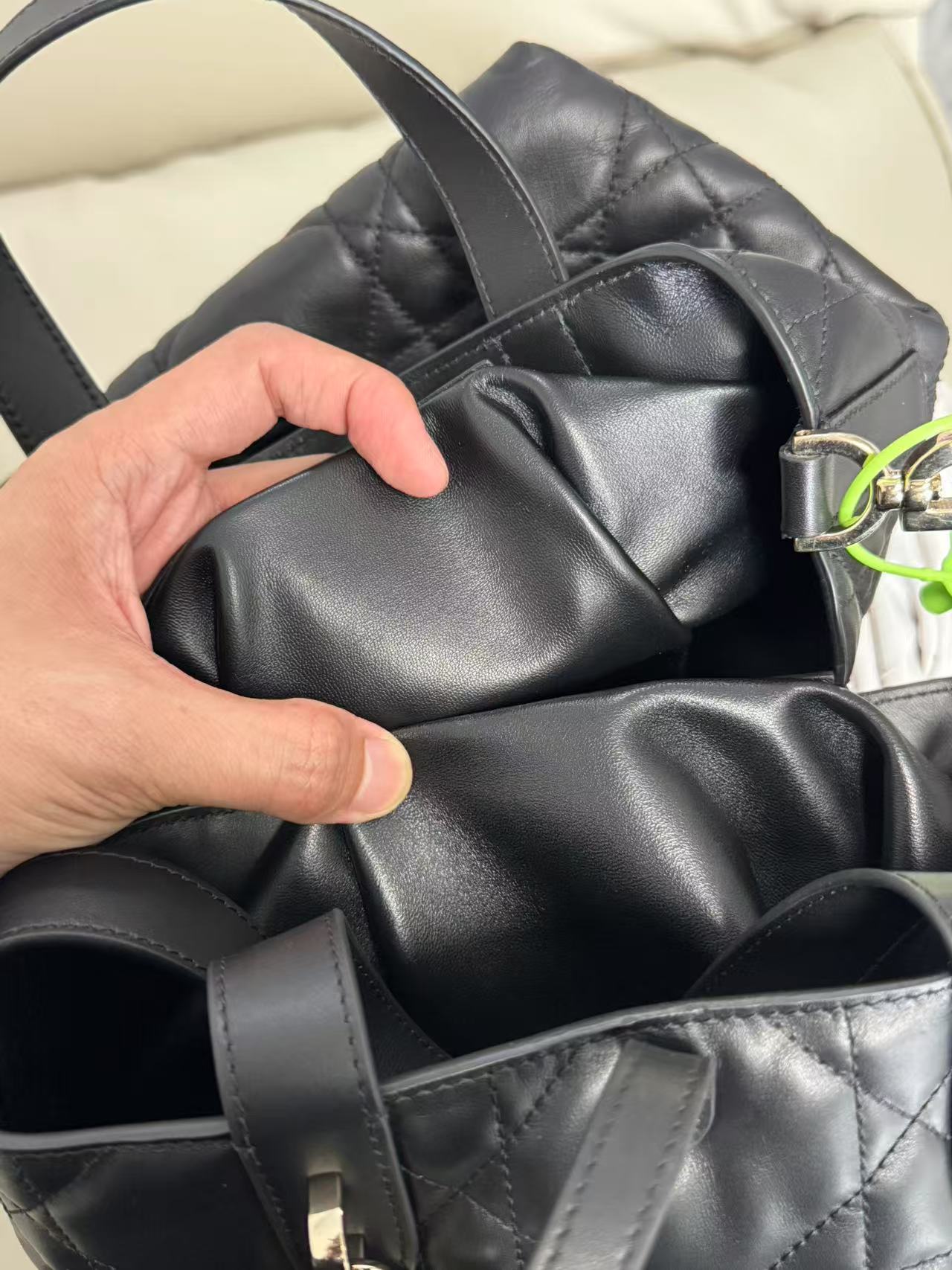
- Material feel: Real leather has a natural grain and smells like leather. Coated synthetics feel plasticky. Press the leather—it should spring back.
- Stitching: Look at the seams. Good shoes have even, tight stitches—8 to 10 per inch is a benchmark. Loose or crooked stitches scream trouble.
- Glue lines: A clean, invisible bond between sole and upper is key. Excess glue or gaps? Run.
- Flex test: Bend the shoe at the ball of the foot. It should flex easily and return to shape. Stiffness means poor construction.
- Insole and lining: These should be padded and firmly attached. A removable insole is a plus for hygiene and customization.
FAQ: Quick Answers on China-Made Shoes
| Question | Answer |
|---|---|
| Are all Chinese shoes low quality? | No. Quality ranges from very low to excellent. It’s about the factory and price point. |
| How can I tell if the leather is real? | Feel the surface: real leather has slight pores and an uneven texture. Fake leather feels uniform and cold. |
| What’s the best way to sample? | Always ask for a sample pair. Check stitching, materials, and fit before committing to bulk orders. |
| Do good Chinese shoes cost more? | Yes, but still less than equivalent Western brands. Expect to pay $15–30 for decent shoes at wholesale. |
| Is PU leather bad? | Not necessarily. High-quality PU can be durable and look great. The key is thickness and finish. |
| What about sneakers? | China makes excellent sneakers, especially in Fujian and Guangdong. Focus on sole cushioning and upper mesh quality. |
The Bottom Line for Buyers
Stop asking if Chinese shoes are bad. Start asking how to find the good ones. Visit wholesale markets like Soudangkou, touch everything, ask questions, and order samples. The quality you get depends on your sourcing skills—not the origin label. With the right supplier, you can get shoes that last, look great, and sell for a premium.
广州服装档口相关入口
继续查看相关市场和品类入口,方便对比档口微信、货源范围、拿货方向和试单前需要核实的信息。