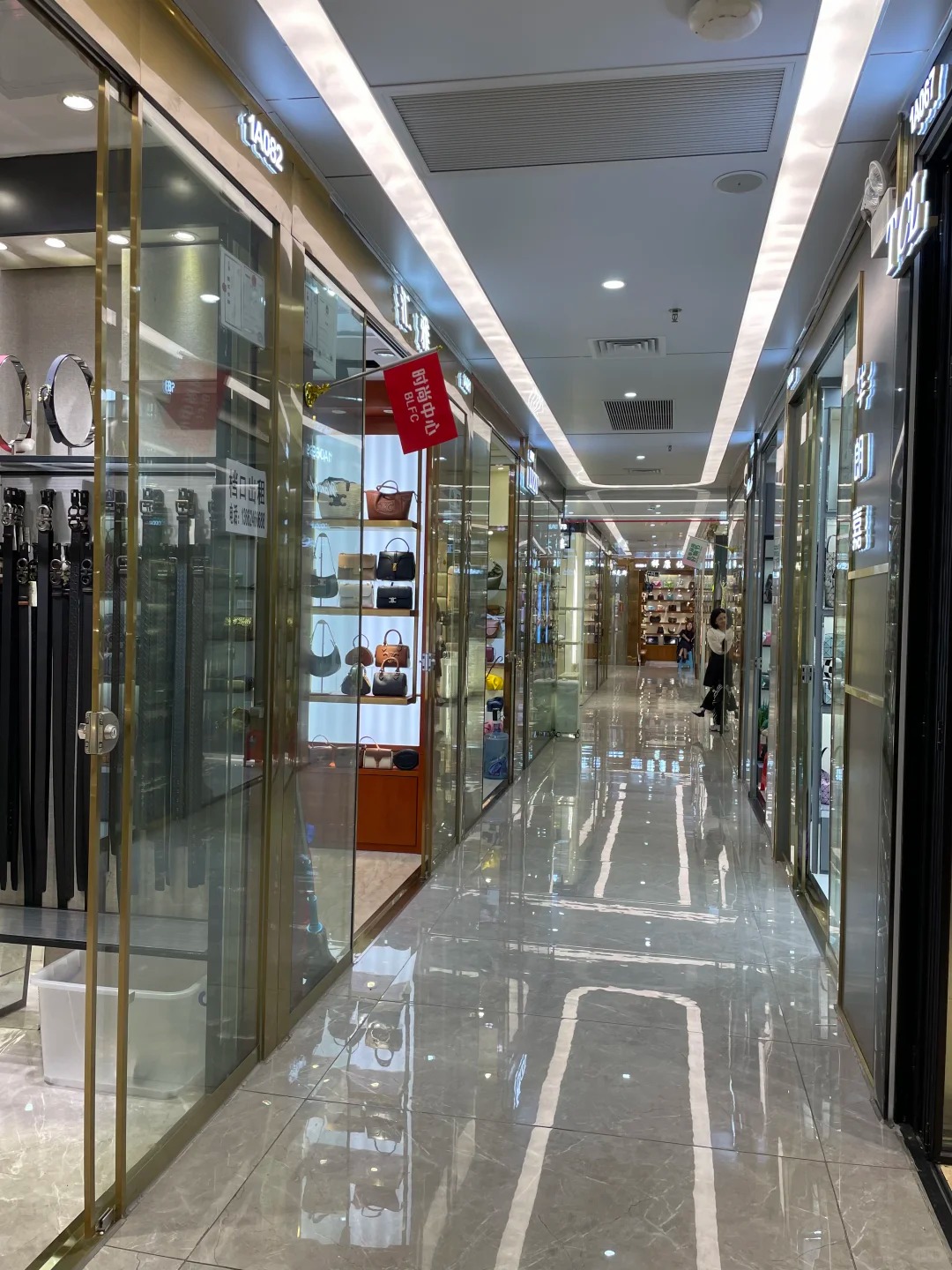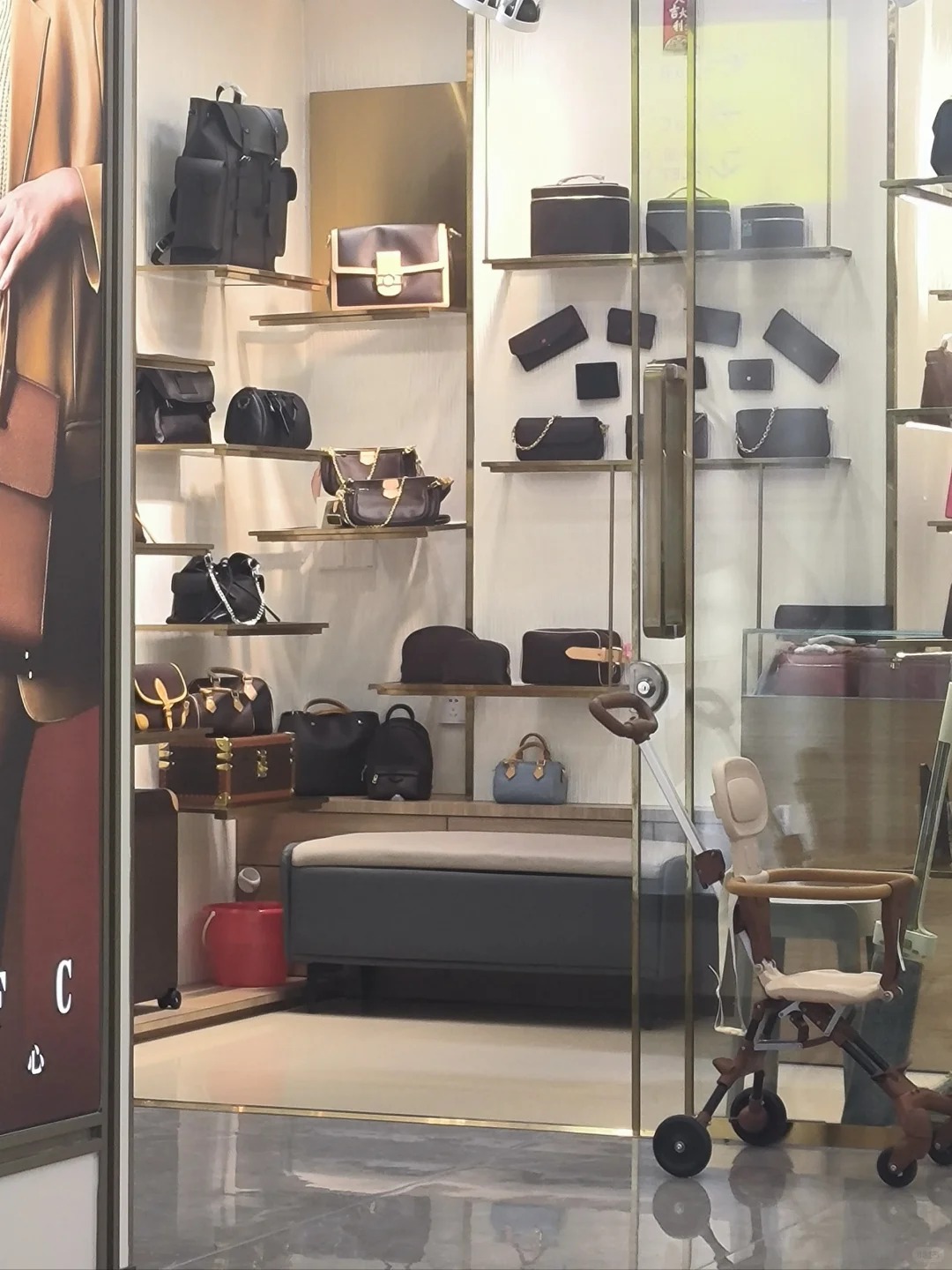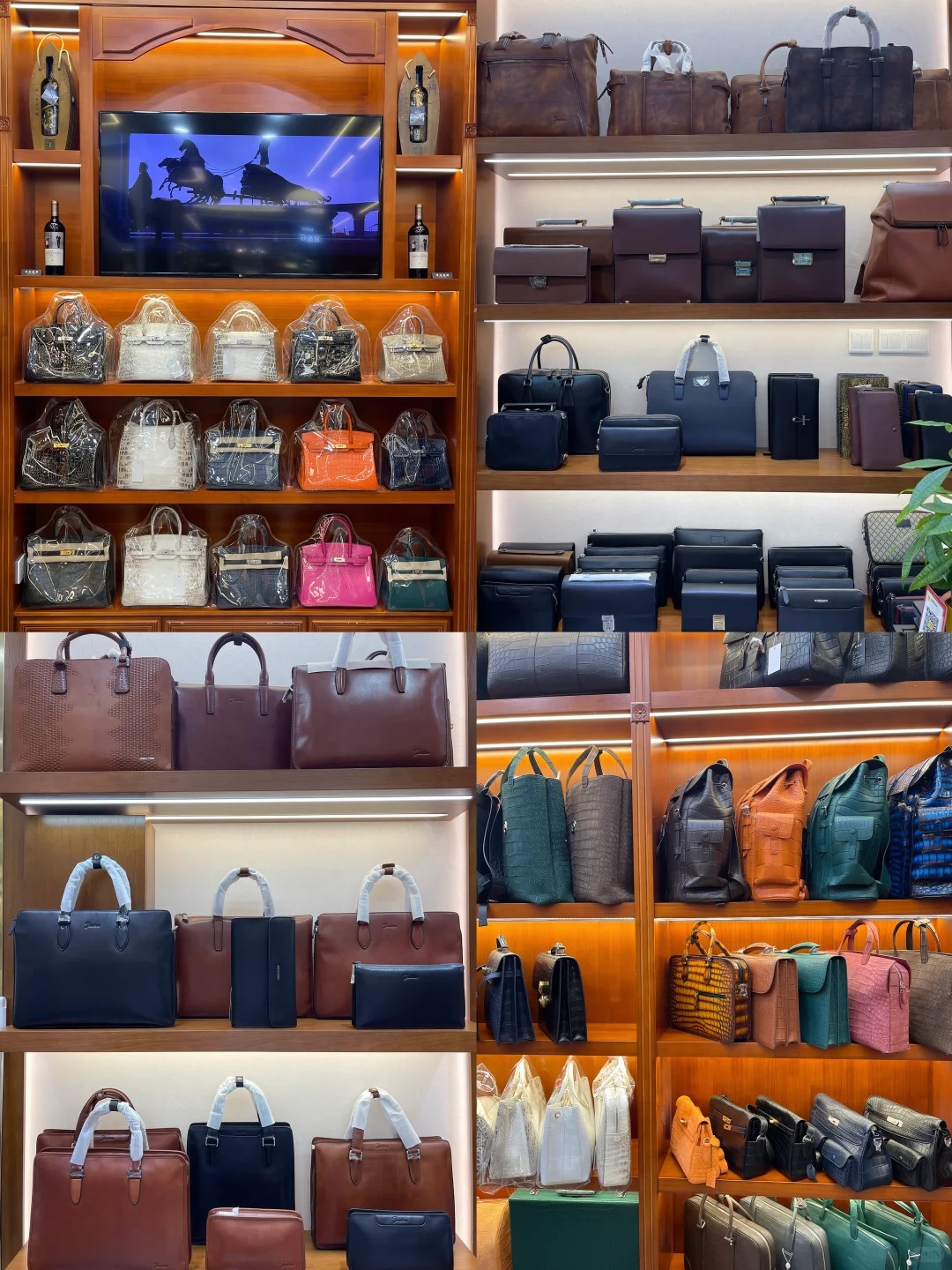

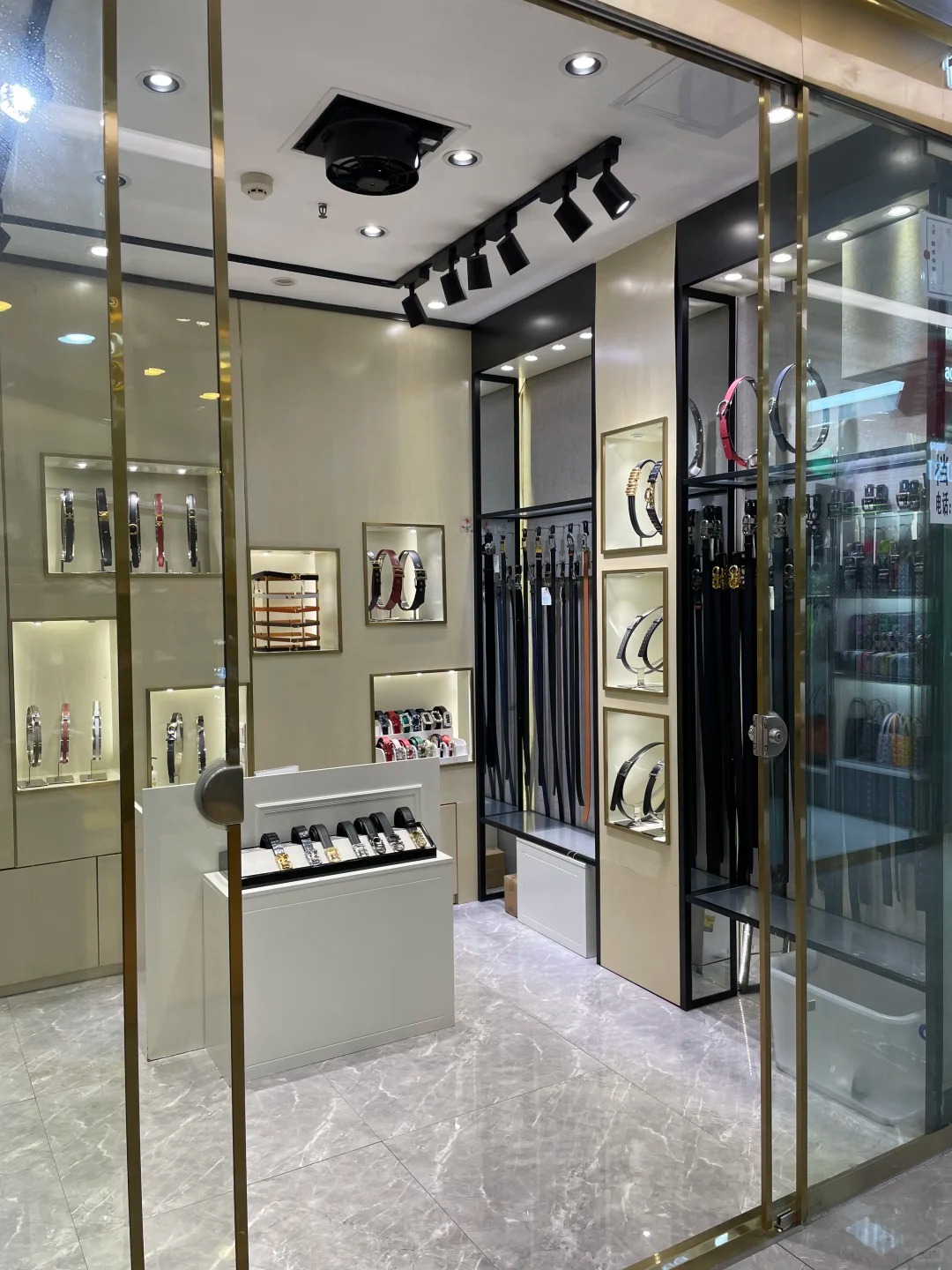
Yes, shoes made in China are absolutely safe when sourced from reputable manufacturers and wholesale market stalls. China produces over 60% of the world’s footwear, with strict quality standards for domestic and export markets. The key is knowing how to identify safe, high-quality shoes. Let’s dive into what makes a shoe safe and how you can source with confidence.
Why Do Safety Concerns Exist?
Some cheap, unregulated factories have given China a bad rap. But major brands like Nike, Adidas, and Puma all manufacture in China and meet global safety standards. The real issue lies with substandard materials and poor craftsmanship from fly-by-night operations.
How to Spot Safe Shoes at Wholesale Markets
1. Check the Materials
Real leather should have a consistent grain and no ‘plastic’ smell. For synthetics, look for PU that feels supple—not rubbery. At markets like Soudangkou, you can literally feel the difference. Tip: Sniff the shoe; safe shoes have little to no chemical odor.
2. Inspect the Stitching
Strong, even stitching indicates quality control. Avoid shoes with loose threads or glue squishing out. Good shoes use a lockstitch or Goodyear welt for durability.
3. Test the Outsoles
Bend the shoe—safe outsoles flex without cracking. Look for dense rubber or EVA that provides cushioning and traction. Markets often let you try the abrasion test by rubbing the sole on a rough surface.
4. Certifications to Ask For
Legitimate stalls will show certificates or factory credentials. Ask if they follow ISO 9001 quality management or ISO 20347 safety standards for professional footwear.
Common Safety Concerns Debunked
| Concern | Reality | What to Look For |
|———|———|——————|
| Chemical residues (formaldehyde, azo dyes) | Only found in very cheap, unregulated batches | Oeko-Tex Standard 100 certification, ‘low-VOC’ labels |
| Lead or heavy metals | Prohibited by EU/US import laws; reputable factories test | Ask for test reports or compliance with REACH/RoHS |
| Poor construction causing injury | Rare from dedicated stalls; mostly copycat items | Check for steel shanks in heels, reinforced toe caps |
| Skin irritation from materials | Usually from cheap synthetic leather or adhesives | Look for hypoallergenic lining, natural rubber adhesives |
| Mold or mildew | A sign of poor storage or moisture | Inspect packaging; ask for dry, sealed boxes |
Sourcing Safely from Market Stalls
When you visit a wholesale market like Soudangkou, trust your hands. Pick up the shoes, flex them, examine the insides. Good stalls let you cut open a sample to see the insole board or shank. Pro tip: Always buy one pair first to test before bulk ordering.
Negotiating for Quality
Ask about the ‘grade’—A-grade is top quality for export. B-grade might have minor flaws but still safe. C-grade is risky. Insist on seeing the factory’s quality control report or photos of the production line.
Conclusion
China’s shoe industry is diverse. Safety issues come from the gray market, not the thousands of reputable factories. By using expert inspection techniques and sourcing from verified large-scale wholesalers, you can confidently buy safe shoes. Remember, the best protection is knowledge—and a keen eye for detail.
广州服装档口相关入口
继续查看相关市场和品类入口,方便对比档口微信、货源范围、拿货方向和试单前需要核实的信息。