
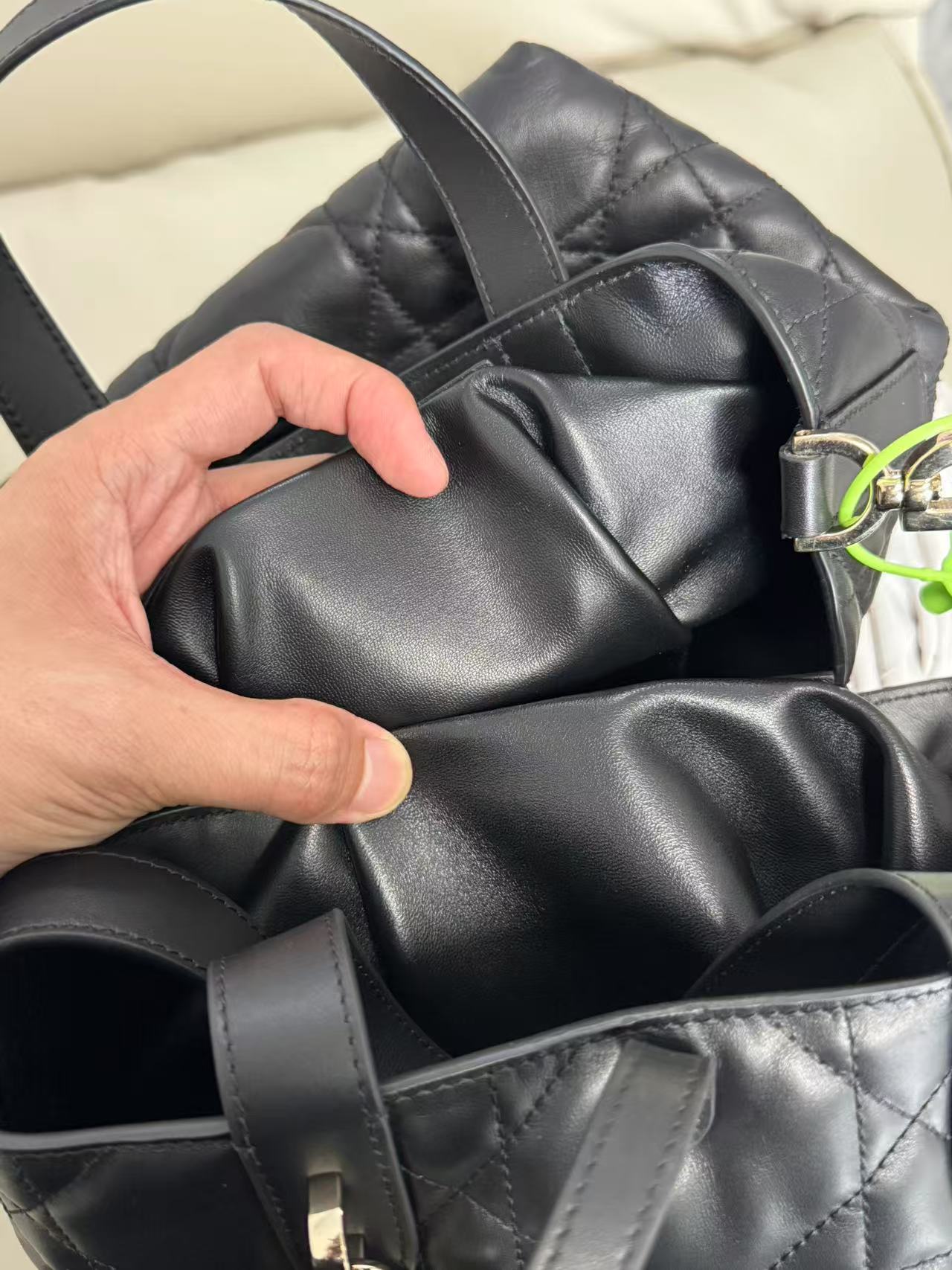
Yes, you absolutely can import shoes from China — and it’s one of the most popular import categories globally. The real challenge isn’t legality but finding reliable suppliers that offer quality at the right price. As a wholesale market insider, I’ll walk you through the practical steps, focusing on how to evaluate fabric, stitching, and why buying from market stalls can give you an edge over online sourcing.
Why Import Shoes from China?
China is the world’s largest shoe producer, accounting for over 60% of global footwear. Provinces like Guangdong, Fujian, and Zhejiang host massive clusters of specialized factories. You’ll find everything from cheap slippers to premium leather boots. Most importers start with small volumes from wholesale markets like Chengdu’s Hehuachi or Guangzhou’s Zhanxi, which cater to bulk buyers.
How to Evaluate Shoe Quality at Market Stalls
When you walk into a wholesale market, traders will show you samples. Here’s what to check:
- Fabric: Feel the material. Is it genuine leather, PU, or fabric? Genuine leather has a natural grain and flexible texture. PU often feels plasticky and stiff. Ask for the material composition card.
- Stitching: Look at the thread tension. Even, tight stitches on the vamp and sole indicate good craftsmanship. Loose or uneven stitching suggests poor quality control.
- Glue or Heat: Check if the sole is glued or heat-fused. Heat fusion lasts longer. If glued, press the sole to see if it flexes without separating.
- Weight: Heavier shoes often mean denser materials, but not always. Compare similar models to get a sense.
Tips for Buying from Wholesale Stalls
Market stalls are ideal for spot goods — inventory ready to ship immediately. This avoids factory lead times. Here’s how to negotiate:
- Buy in bulk: Minimums are usually 50-100 pairs per style. Mixing models within one stall is possible.
- Check samples: Always buy one sample first to test quality before placing a large order.
- Cash is king: Some stalls offer 5-10% discounts for cash payment.
- Use a sourcing agent: If you don’t speak Chinese, hire an agent from platforms like Soudangkou to inspect goods and handle logistics.
FAQ: Common Questions About Importing Shoes from China
| Question | Answer |
|---|---|
| What’s the minimum order quantity? | 50-100 pairs per style from market stalls. Factories may require 500+ pairs for custom orders. |
| How do I avoid counterfeit products? | Stick to stalls that offer unbranded or own-label shoes. Avoid any stall that promises popular brand logos. |
| What shipping methods work best? | For small orders (under 100kg), use air freight. Larger volumes go by sea. Consolidate with other importers to cut costs. |
| Do I need a license to import? | Generally no for personal use, but commercial import may require business registration in your country. Check with your local customs. |
| How can I verify a supplier? | Request business license photos, visit the stall yourself or via agent, and ask for references from other buyers. |
| What about tariffs? | Tariffs vary (e.g., US adds 25% on Chinese footwear). Calculate landed cost: product price + freight + insurance + duties + taxes. |
| Is trade assurance safe? | Platforms like Alibaba offer trade assurance, but for stall purchases, use an escrow service or pay only after inspection. |
Real Example: Importing Running Shoes from Chengdu Market
I recently helped a client source running shoes from Chengdu’s Hehuachi market. We visited three stalls, tested 10 samples. One stall had excellent lightweight mesh uppers and double-stitched soles. Price: 15 RMB per pair (MOQ 100 pairs). We paid 10% deposit, got 50% discount on sample orders. Total landed cost per pair was, including sea freight to the US, about $6.50 — a 200% margin when sold at $20. The key was checking the quality in person and negotiating volume discounts.
Final Advice
Importing shoes from China is straightforward if you start small and focus on quality inspection. Use platforms like Soudangkou to connect with stalls that have good reputation, but always verify with your own eyes or through an agent. Remember: the cheapest option often hides poor materials. A slightly higher upfront cost for better stitching and fabric will save you returns and brand damage.
广州服装档口相关入口
继续查看相关市场和品类入口,方便对比档口微信、货源范围、拿货方向和试单前需要核实的信息。